


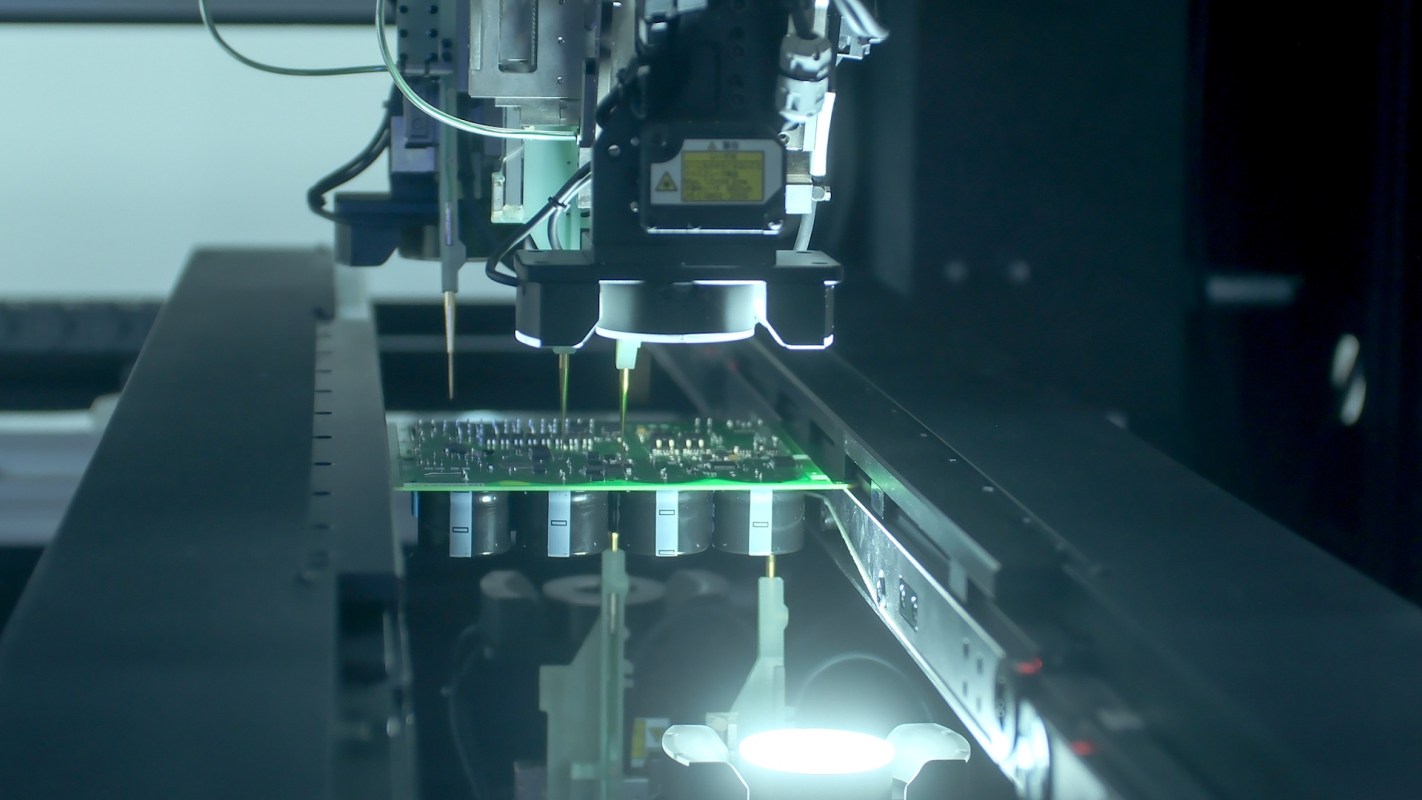
A team at the University of Tokyo says it has built a new kind of chip element that could process information 1,000 times faster than today's approaches — without generating the extra heat that usually comes with higher speeds.
If that promise holds up outside the lab, it could eventually mean much faster devices, lower electric bills for massive computing centers, and electronics that don't need to be charged nearly as often.
What happened?
According to TechRadar, the researchers developed what they call a non-volatile quantum switching element, which saves bits by using electron magnetism rather than a steady electrical current. In lab testing, it handled a single bit in 40 picoseconds — roughly 1/1,000th the time standard methods require.
For comparison, current chips typically need about a nanosecond to write one bit before overheating becomes a major constraint. This new design is meant to get around that bottleneck by converting an electrical signal into magnetic information. In the reported setup, a tantalum layer helps carry the signal, while a second layer records it as the direction of a tiny magnetic force.
The bit can be stored without depending on constant current, which sharply reduces the heat problem that slows modern electronics. The team also reported that, according to TechRadar, the element stayed stable through over 100 billion cycles in controlled lab tests.
The researchers say performance improves as the components get smaller, raising the possibility that future versions could reduce energy use for processing.
TCD Picks » Quince Spotlight
💡These best-sellers from Quince deliver affordable, sustainable luxury for all




Why is this breakthrough important?
Heat is one of the biggest reasons computers, phones, and data centers can't just keep getting faster forever. More speed usually means more energy loss, more cooling, and more wear on hardware. A chip that avoids that tradeoff could change how everyday technology feels to use.
If this technology can be scaled up, the impact on our daily lives would be enormous. Faster computing with less wasted energy could eventually translate to laptops that run for months between charges, and downloads that currently take an hour could be processed in just a second.
The potential impact gets even bigger at the infrastructure level. TechRadar suggests that a large data center now drawing power on the scale of 80,000 homes could, in theory, someday need only about as much energy as 800 homes. That kind of shift could lower operating costs while also easing strain on the grid.
When will it be available to consumers?
Right now, the breakthrough is still at the laboratory-demonstration stage. The University of Tokyo team has shown that the underlying physics works and that the device can survive repeated operation far beyond what conventional chips could tolerate at similar speeds.
The next challenge is turning a single successful lab device into something manufacturers can build reliably and affordably at scale. That includes engineering, financing, and distribution — all the hard steps between a promising result and a real product people can actually buy.
The report says a prototype chip is planned for 2030, so commercial versions would likely arrive years later. So this isn't a next-shopping-cycle upgrade, but it is a meaningful sign that lower-power, ultra-fast computing may be possible.

Get TCD's free newsletters for easy tips, smart advice, and a chance to earn $5,000 toward home upgrades. To see more stories like this one, change your Google preferences here.






