


A community in England is putting its money behind a cleaner, more resilient power system.
According to a report from Energy Live News, residents have contributed £440,000 (roughly $590,000) toward the U.K.'s first community-owned battery, pairing energy storage with an existing community-owned solar farm.
Low Carbon Hub, a social enterprise in Oxfordshire, says the project has reached 80% of its £500,000 community investment goal for battery storage at Ray Valley Solar near Bicester. The community share offer closes on June 26 and has attracted about 200 backers so far, with a minimum investment of £100.
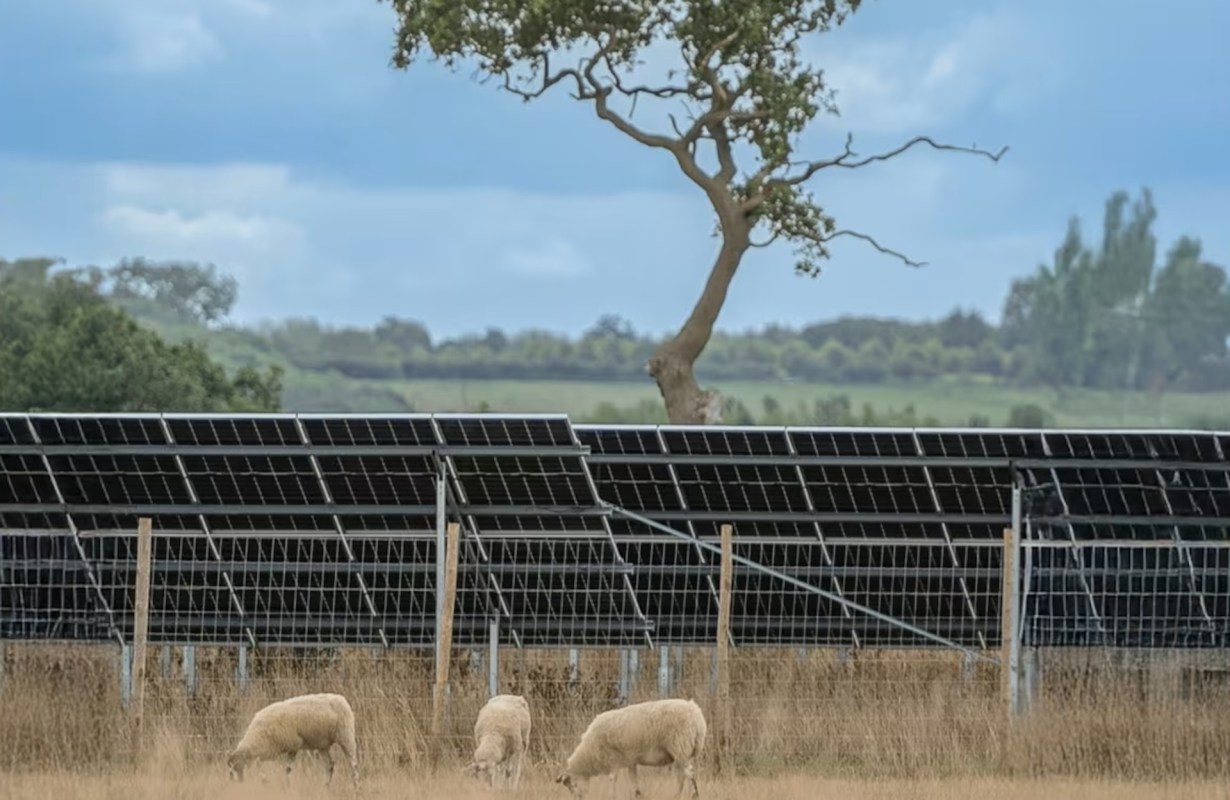
The battery will sit alongside Ray Valley Solar, which opened in 2022 and is among the largest community-owned solar sites. The project can produce enough clean electricity for about 7,000 homes.
The battery itself will cost £1.8 million. Low Carbon Hub said the community fundraising portion is intended to keep more of the asset in local ownership while allowing extra solar power to be stored when output is high and local demand is low.
Battery storage helps solve one of clean energy's biggest practical challenges: timing.
TCD Picks » Quince Spotlight
💡These best-sellers from Quince deliver affordable, sustainable luxury for all




Solar panels often generate the most electricity during sunny conditions, when electricity demand is relatively low, meaning some power can effectively be lost if it cannot be used or stored. By adding storage, projects can hold onto that electricity and use it later, when homes and businesses need it more.
Low Carbon Hub expects the new battery to prevent about 809 megawatt-hours of clean electricity from being wasted each year — that's roughly enough to power 300 homes. It also estimates that the system will prevent another 102 tonnes (around 112 tons) of carbon pollution each year, which is comparable to taking about 45 cars off the road.
There is also a financial benefit to the setup. Shifting stored solar electricity to periods of higher demand allows the site to supply power when prices are higher and the grid is more carbon-intensive.
That could improve the project's economics and strengthen local energy resilience. Community-scale clean energy projects also reflect a broader shift toward renewable infrastructure as economies move away from fossil fuels.
Low Carbon Hub says earnings from its renewable projects are put back into local sustainability work, including initiatives that help schools, households, and businesses reduce pollution. The financial upside from clean power stays circulating within the community.
The battery project builds on that model by giving residents a direct stake in energy infrastructure. Rather than relying entirely on external capital, the share offer allows local backers to own a stake in the energy transition while supporting lower-carbon electricity and building economic resilience.
Projects like this pair decarbonization with local ownership, economic opportunity, and reduced energy waste.
"I invested in the Low Carbon Hub because its projects help to normalise the use of renewable energy," local investor Eleanor Watts said. "I feel happy that my money has done a little bit to combat the climate emergency."

Get TCD's free newsletters for easy tips, smart advice, and a chance to earn $5,000 toward home upgrades. To see more stories like this one, change your Google preferences here.






