


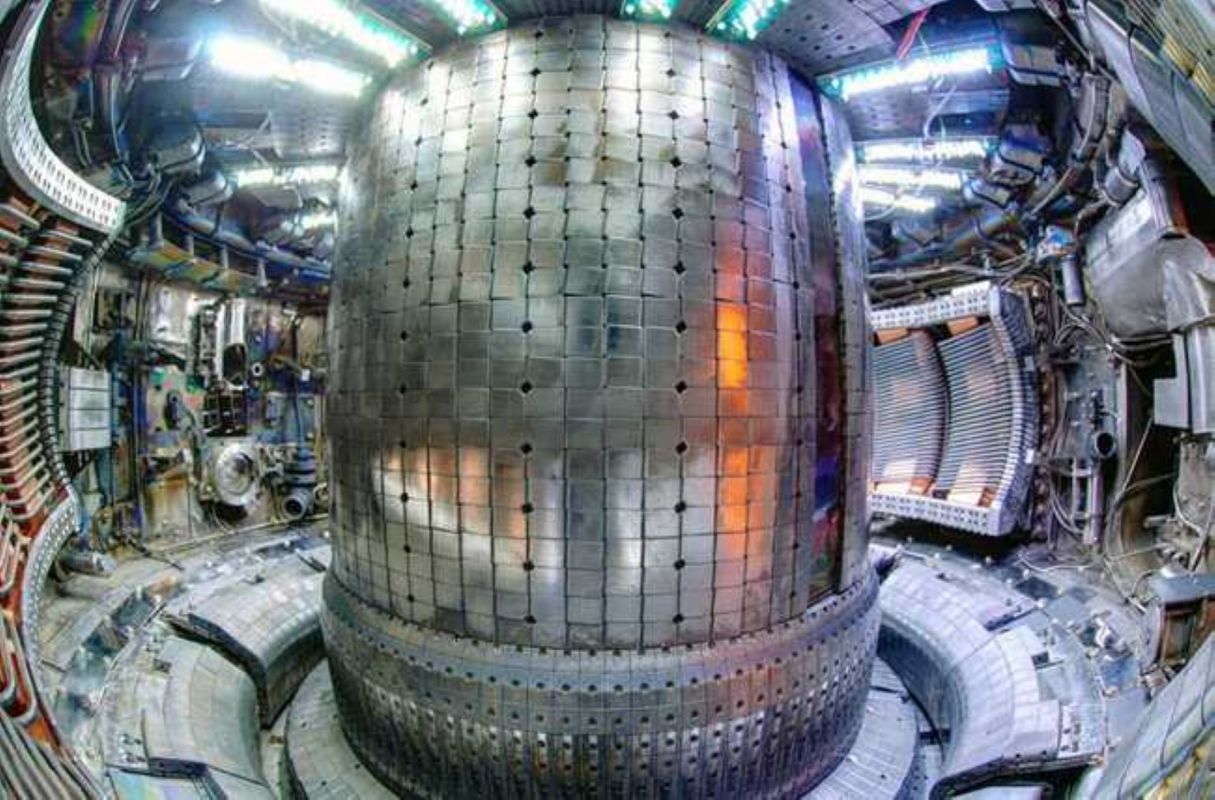
Commonwealth Fusion Systems is planning for a bigger family as part of its nuclear energy work in Massachusetts.
It's developing a "digital twin" of its SPARC fusion reactor to expedite analysis of all sorts of performance metrics, compressing "years of manual experimentation into weeks of virtual optimization," CEO Bob Mumgaard said in a news release.
"This virtual replica of SPARC will provide CFS with a user-friendly way to run simulations, test hypotheses, and quickly compare the experimental results from the machine to the simulations," the release explained. "This ability to rapidly analyze data and iterate will speed CFS' efforts to make fusion energy a commercial reality."
The company is working with tech outfits NVIDIA and Siemens to empower SPARC's digital twin with artificial intelligence and advanced software. It's a way to fast-track analysis while the physical technology is being developed.
Yet it's the projected real-world reactor's success that will be most important to utility ratepayers who are ready for a break on their electric bills. Currently, data center power demand and other factors are contributing to surging electricity prices.
Fusion is a form of nuclear energy that has yet to be sustained affordably, and it's unlikely any work in development will be adding energy to the grid before 2030. Regardless, experts in labs around the world continue to work on high-cost, fascinating projects.
Commonwealth bills itself as the world's largest private fusion company, having raised $3 billion since 2018 to commercialize the near-limitless energy source. If successful, the company could help usher in a new era of abundant power without the air pollution, long-lasting nuclear waste, or meltdown risks of today's nuclear energy production.
Common fission reactions, currently used in nuclear plants around the world, produce persisting radioactive byproducts, as the International Atomic Energy Agency explains, and they can result in rare, yet catastrophic accidents. Fission accounts for 19% of the United States' electricity supply without the harmful pollution burden caused by burning oil, coal, and gas. Yet possible weapons proliferation, and nuclear's standard waste and accident risks, are among fears listed by the Union of Concerned Scientists.
Fusion can clear many of the concerns about nuclear energy, aside from cost.
To maintain fusion reactions, experts contain superhot plasma inside doughnut-shaped chambers called tokamaks. They utilize magnetics to corral the same astounding forces that power the sun, per the U.S. Department of Energy.
TCD Picks » Quince Spotlight
💡These best-sellers from Quince deliver affordable, sustainable luxury for all




|
What's the most you'd pay per month to put solar panels on your roof if there was no down payment?
Click your choice to see results and speak your mind. |
 $200 or more 💰
 TechCrunch reported that Commonwealth has placed the first of 18 magnets needed for its demonstration SPARC reactor. The company aims to have it completed and generating power to the electric grid by the early 2030s, a benchmark for others in the development race, as well.
Commonwealth intends to have the other 17 magnets installed by the end of the summer.
"It'll go bang, bang, bang throughout the first half of this year as we put together this revolutionary technology," Mumgaard told the publication.
Of the digital tool and the collaboration with tech firms that will help facilitate progress, Mumgaard said in the news release: "Through this collaboration, we're demonstrating how AI and integrated digital engineering can accelerate progress from design to grid power. This will allow us to transform how we build and operate fusion machines in the race to commercial fusion."
Proponents see Commonwealth's progress as evidence that we're at the verge of a new energy age. But opponents and skeptics consider nuclear fusion a false hope or a misguided effort to address pollution concerns. To their point, New York financial advisory firm Lazard has reported that solar and wind are cheaper, faster energy options to develop at scale.
The right energy insight can help you make informed decisions about how to safeguard your house from rising rates. Home solar is a great way to reduce or eliminate your utility bill while gaining independence from the grid, for example. But even a smart investment strategy can realize gains while supporting businesses that share your values.
At Commonwealth, the team sees its AI partners as helping it remove guesswork with thousands of simulations, speeding up development.
"Fusion is complex, but data doesn't lie," Mumgaard said in the release.

Get TCD's free newsletters for easy tips to save more, waste less, and make smarter choices — and earn up to $5,000 toward clean upgrades in TCD's exclusive Rewards Club.
Cool Picks





