


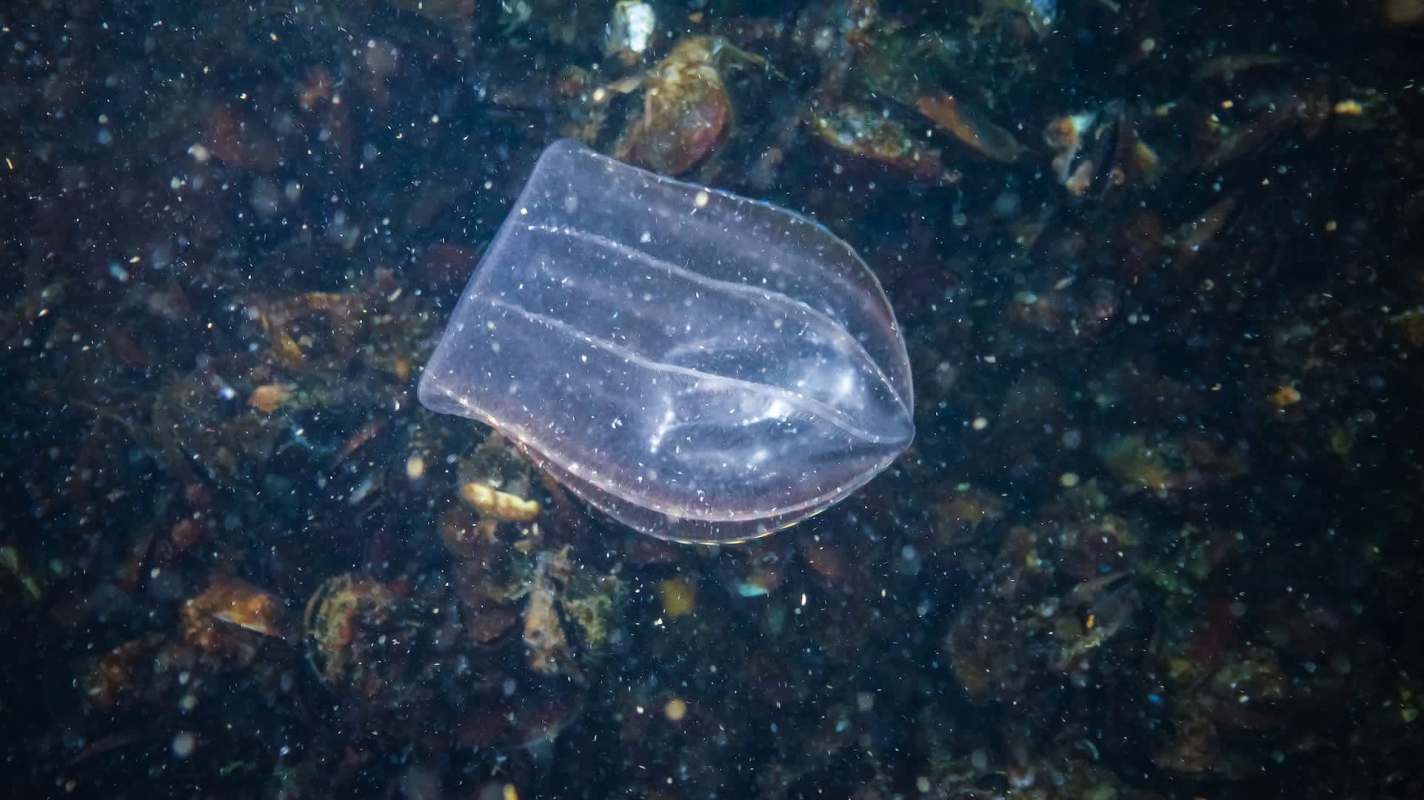
A glowing, jelly-like invader that can even consume its own offspring is spreading through the Baltic Sea, and scientists say its rise could create even more trouble for fish populations already under strain.
Although often grouped with jellyfish, Mnemiopsis leidyi is a comb jelly rather than a true jellyfish, and it does not sting. Scientists warn that its growing presence could still seriously damage coastal ecosystems and the communities that depend on them.
What's happening?
Scientists say Mnemiopsis leidyi is advancing through the Baltic at a fast pace, according to Euronews. They think it probably entered European waters in the 1980s on ships passing through Black Sea ports after traveling from Atlantic coastlines in North and South America.
Its history elsewhere shows why researchers are concerned. In the Black Sea, the species reached about 400 individuals per 35 cubic feet (1 cubic meter) in 1988. After consuming large amounts of zooplankton, its main food source, the population later dropped, but only after the comb jelly had become one of the region's dominant organisms.
The Baltic hasn't seen numbers that high quite yet, but newer research indicates the invasion is picking up speed. Part of that expansion may be linked to the spread of low-oxygen waters, sometimes described as dead zones or "oxygen deserts."
The species is also difficult to starve out. Adults produce large numbers of eggs that can serve as an emergency energy reserve, and when food is scarce, it can consume its own larvae. At the same time, it feeds heavily on zooplankton along with fish eggs and larvae, putting fish such as sprats and sardines at particular risk.
TCD Picks » Quince Spotlight
💡These best-sellers from Quince deliver affordable, sustainable luxury for all




Why does it matter?
Because it eats eggs and larvae, the comb jelly could cut into future fish stocks, with effects that may spread through commercial fisheries, food supply chains, and coastal economies.
Its growing range is also a sign of a larger shift in the Baltic. Climate change is making the sea more susceptible to invasive species, as warmer waters and expanding low-oxygen zones can favor organisms that are better able to handle rapid environmental change.
The Baltic is already facing fluctuating water levels, worsening hypoxia, and other climate-related disruptions, all of which can weaken native species while creating openings for newcomers.
What's being done?
Researchers are examining one possible natural defense already present in the Baltic: the native three-spined stickleback, Gasterosteus aculeatus. A study published in January 2026 in the Journal of Plankton Research found that this fish may help keep the invader in check by feeding on comb jelly larvae.
That safeguard may be weakening, however. Hypoxia appears to suppress stickleback activity and reduce how much the fish feed on those larvae, meaning one of the Baltic's natural control systems could be faltering just as the invader gains more chances to spread.
The Baltic remains a dynamic ecosystem, but one increasingly shaped by human-driven change.
Its glow may look alien, but the spread of this so-called "sea cannibal" points to a very real transformation in the Baltic. As "oxygen deserts" expand and natural checks weaken, recovery could become more difficult for marine life and for the people who rely on the sea most.

Get TCD's free newsletters for easy tips, smart advice, and a chance to earn $5,000 toward home upgrades. To see more stories like this one, change your Google preferences here.






