


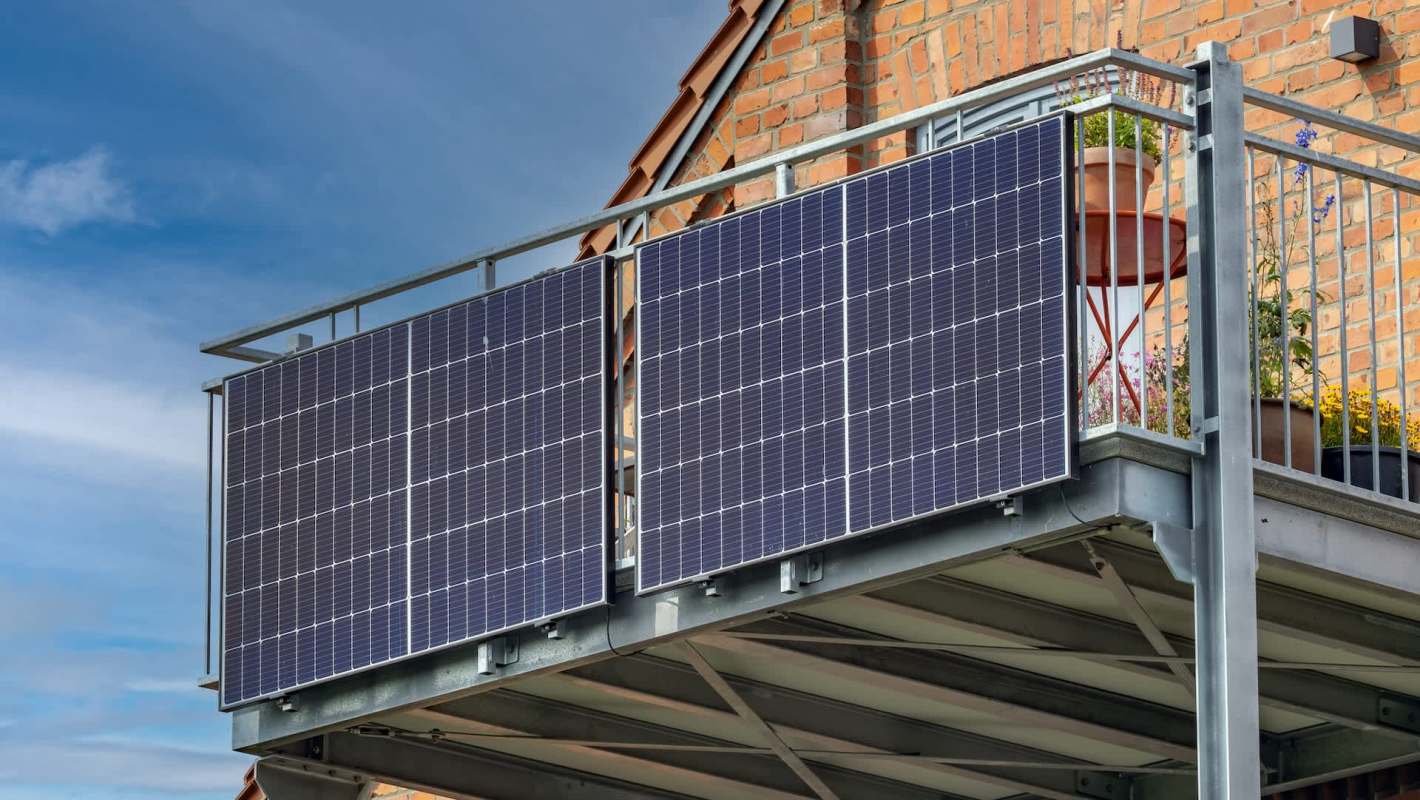
Colorado is a step closer to making "balcony solar" a real option for residents after the state advanced a new law to allow plug-in solar panels.
The change would make cleaner energy much easier to access for renters and homeowners who can't install a full rooftop system but want to lower their energy bills.
Balcony solar setups, often called plug-and-play solar, are smaller solar panel systems designed to work without the large, permanently installed equipment used for rooftop solar. Instead, the panels can plug directly into a standard household outlet, allowing renters and homeowners alike to generate some of their own electricity without the cost or complexity of a full hardwired installation.
While these systems aren't widely banned in the U.S., regulations in many states have historically not clearly allowed or approved them — until now. Colorado is one of many states considering bills that would open the door for homeowners to adopt the high-tech panels.
Crushed by your bills? See instant solar savings from vetted installers in just a few clicks With energy prices through the roof, there's never been a better time to go solar — and EasyHome can help you find the best prices from the best installers in your area. EasyHome takes the guesswork and headaches out of energy upgrades by showing you estimated savings from a network of vetted local partners. To get started, just enter your ZIP and share a few details about your home — seeing your estimate is really that easy. |

HB26-1007 passed the Senate in early May. The new rule, sponsored by Cathy Kipp and Matt Ball, would legalize plug-and-play solar panels while also creating safety standards and consumer protections governing which systems can be sold and installed. It now heads to the House for amendments.
"Plug-in solar panels expand access to solar energy for people who live in an apartment or can't afford a full rooftop system," said Ball. "The technology is safe, cost-efficient, and already widely used in other places."
Although only a few states have adopted plug-and-play solar laws, whole-home solar panel systems are widely available and offer homeowners significant savings on energy costs. If you're curious about how much solar can slash your electricity bills, connect with the experts at EnergySage to receive quick installation quotes from vetted installers.
Plug-in solar won't replace a large rooftop array, but it could lower the entry point for people who want to reduce their electric bill without taking on a major project. That could be especially meaningful for renters, apartment dwellers, and homeowners who can't or don't want to install traditional solar.
Even modest savings can help, and smaller systems may allow people to bypass some of the soft costs that drive up residential solar prices in the U.S., such as permitting, sales, and installation labor.
There's also the environmental upside. Any increase in solar power can help reduce reliance on dirty energy sources that worsen air pollution and heat-trapping emissions.
Meanwhile, cleaner electricity can support public health while helping families cut monthly costs.
The Colorado bill is part of a broader push to create a clear legal path for plug-in solar instead of leaving residents in a gray area.
More From EnergySage
💡Go deep on the latest news and trends shaping the residential solar landscape


Anyone interested in plug-in solar should check local utility rules, understand building or lease restrictions, confirm what equipment is approved, and make sure the system matches their home's electrical setup.
If you're looking for a whole-home solar system, EnergySage's free marketplace can get you competitive installation quotes and save you up to $10,000 on installation costs.
To see the average cost of solar and details of incentives in your area, check out EnergySage's helpful mapping tool. It can help you secure the best solar deal possible based on your home and budget.
To save even more on energy costs by dodging peak rates, cut ties with your grid entirely, or just keep the lights on during a power outage, consider pairing your solar panels with a battery backup. Luckily, EnergySage can help you there, too, with its free information on whole-home batteries.

Get TCD's free newsletters for easy tips, smart advice, and a chance to earn $5,000 toward home upgrades. To see more stories like this one, change your Google preferences here.






