


A scientific breakthrough is giving new meaning to the saying "coffee is the gasoline of life."
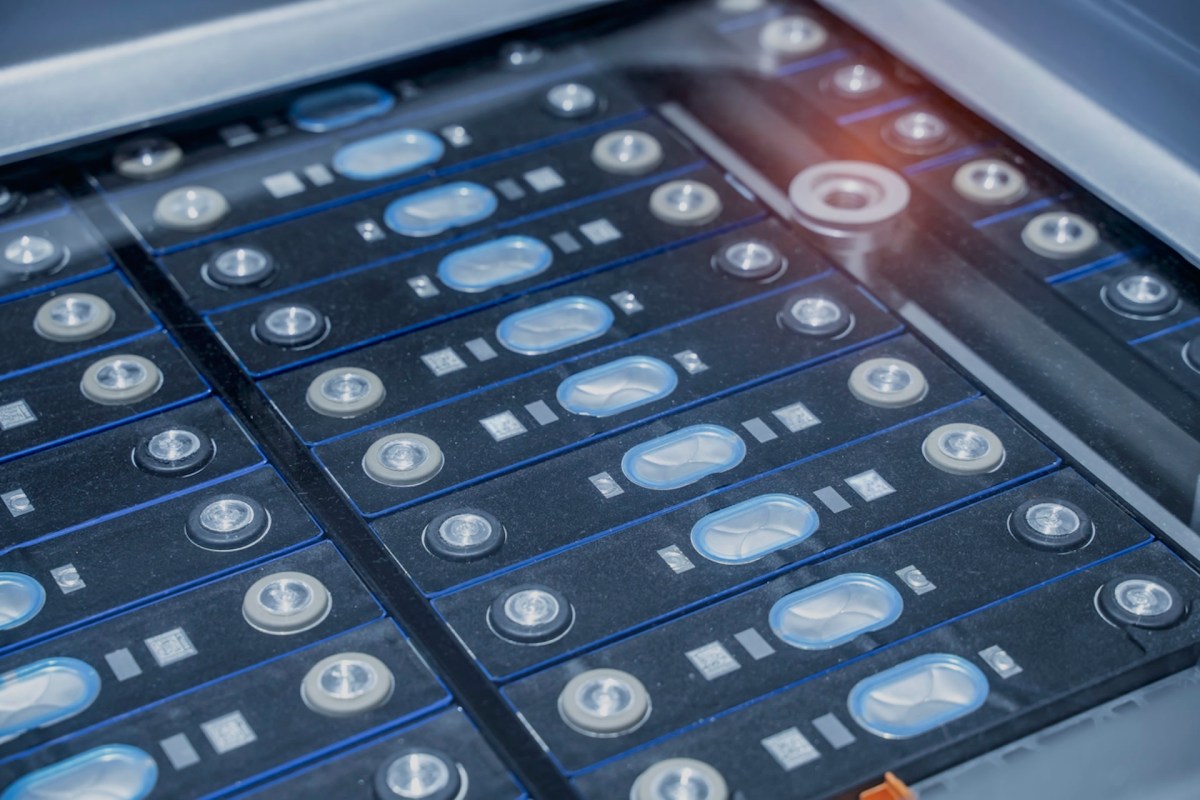
Researchers from Kazakhstan and South Korea have discovered how to incorporate coffee grounds into sodium-ion batteries, which "charge much faster" than lithium-ion packs and are made from a more abundant and less expensive material, as detailed by Powder Bulk Solids.
The findings, which were published in the journal Carbon Resources Conversation, have sparked optimism that more sustainable and efficient batteries could be around the corner.
Lithium-ion packs are used in the majority of today's electric vehicles, which don't produce harmful pollution from their tailpipes when they're on the road.
However, the availability of lithium has increasingly become a point of tension, while some projects to mine the mineral have raised human rights concerns. Harvesting lithium also releases contaminants into the environment. The journal Proceedings of the Royal Society found that two species of flamingos in Chile are at risk as a result of this mining.
Many scientists believe that salt-based batteries could be part of the solution, with the U.S. Department of Energy noting that "significant research and development" of sodium batteries have been in the works for over 50 years.
One hurdle to creating these types of batteries is their ability to store energy.
To solve this issue, Kazakhstani and South Korean researchers mixed purified coffee grounds with phosphoric acid and then heated the mixture at extremely high temperatures, according to EE Power. This process created "a unique honeycomb structure" that enhanced "efficient ion transmission and electrolyte penetration."
The repurposing of the coffee grounds would provide even further benefits if this method becomes the new standard.
Powder Bulk Solids noted that around 20 million tons of coffee grounds are thrown away every year. When the grounds are allowed to break down in landfills, they produce methane, a planet-warming gas that is 28 times more powerful than carbon dioxide.
TCD Picks » Quince Spotlight
💡These best-sellers from Quince deliver affordable, sustainable luxury for all




At this stage, the researchers' next steps forward are unclear, but they concluded that the phosphorus-doped coffee grounds, which were turned into a "hard carbon material" by the heat, are a "compelling candidate" for use in sodium-ion batteries.

Join our free newsletter for weekly updates on the coolest innovations improving our lives and saving our planet.
Cool Picks





