


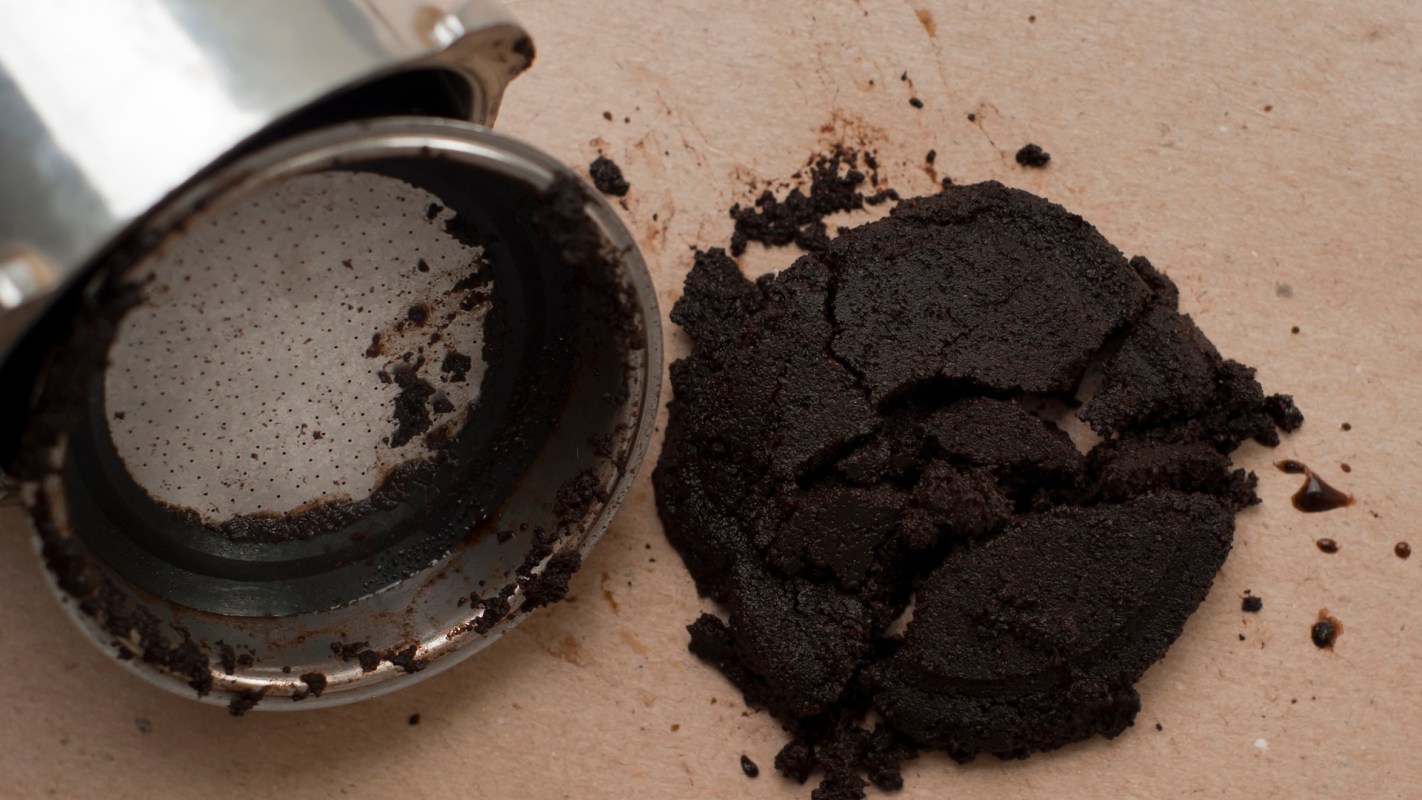
Despite coffee's popularity, the used grounds left after brewing are typically treated as waste.
Now, researchers in South Korea say those waterlogged leftovers can be quickly converted into a coal-like fuel, avoiding the costly drying step that has made recycling coffee grounds difficult.
What happened?
The Korean researchers discovered that in just 90 seconds, coffee grounds can be converted to fuel according to their study in the Chemical Engineering Journal.
The team at the Korea Institute of Geoscience and Mineral Resources used a process called flame plasma pyrolysis to convert the wet coffee grounds under extreme heat into a carbon-rich biochar.
The scientists used fresh coffee grounds that were about 55% water by weight, which has traditionally made them difficult and costly to reuse.
But rather than drying the grounds first, the new process exposed them to a plasma flame at temperatures between 1,470 and 1,650 degrees Fahrenheit, per Earth.com.
TCD Picks » Quince Spotlight
💡These best-sellers from Quince deliver affordable, sustainable luxury for all




The water trapped inside quickly becomes steam, building pressure within the particles until they rupture in what the researchers described as the "popcorn effect."
After 90 seconds of treatment, the grounds had lost about 83% of their mass. The remaining material was a porous biochar with roughly one-third more energy density than the original grounds, putting it in the same category as anthracite, the highest-grade coal.
Why does it matter?
More than 20 billion pounds of spent coffee grounds are discarded worldwide each year, and much of that waste ends up in landfills or incinerators.
And when coffee waste breaks down in landfills, it releases methane, a powerful heat-trapping gas.
Because the new process eliminates the need for drying, it could make biomass waste processing both cheaper and cleaner.
The equipment is also compact enough to be used near the places that generate the waste, which could lower transportation and processing costs.
The material may have uses beyond fuel. The same steam-driven bursting that creates the biochar also forms tiny pores throughout it, giving it a large internal surface area. That could make it useful in water treatment or air-cleaning systems, similar to activated carbon.
Researchers who lead the project explained the importance of the study, writing, "the proposed flame plasma pyrolysis methods offers a sustainable and energy-efficient pathway for the valorization of high-moisture organic waste, effectively overcoming the economic and technical bottlenecks associated with drying-based processes."

Get TCD's free newsletters for easy tips, smart advice, and a chance to earn $5,000 toward home upgrades. To see more stories like this one, change your Google preferences here.






