


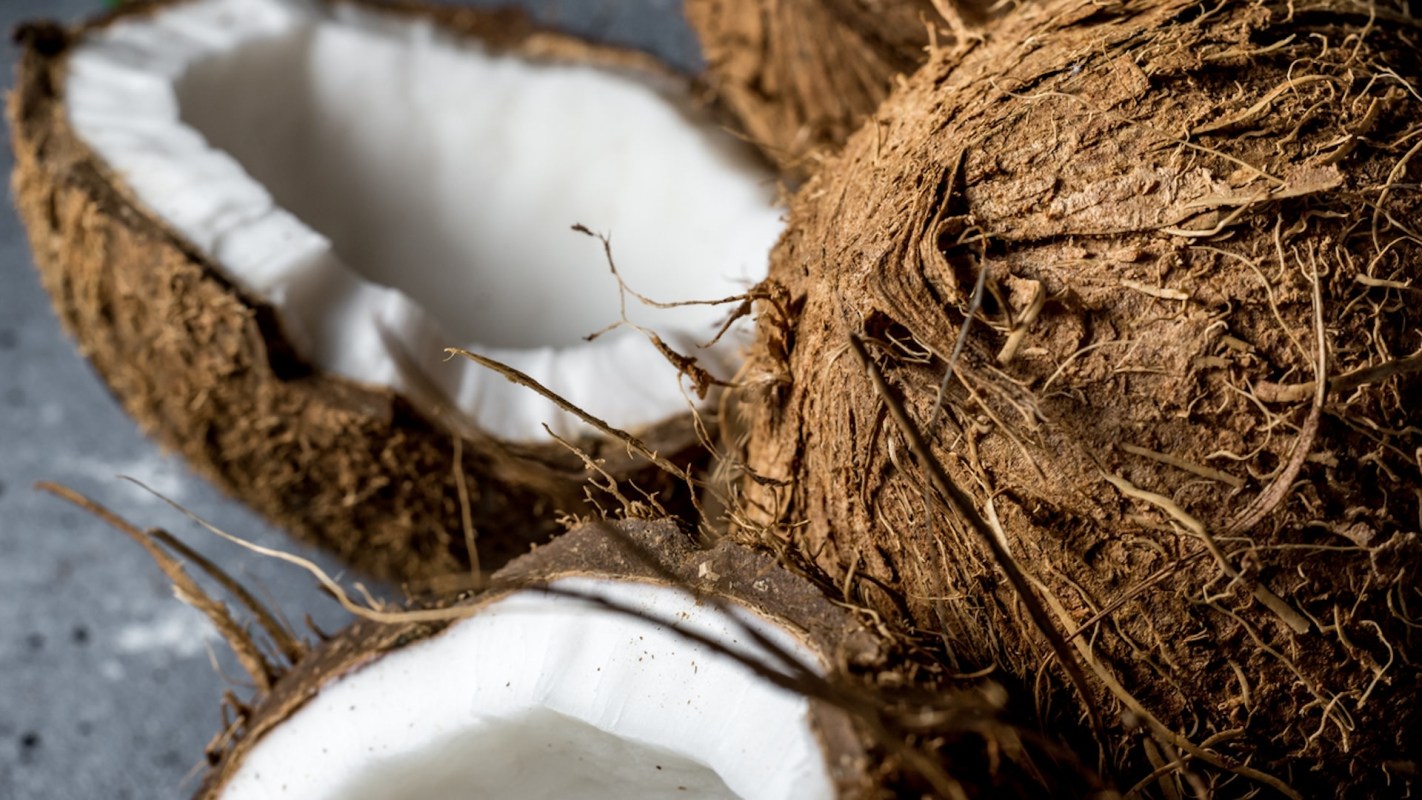
Coconut farmers on Karkar Island in Papua New Guinea seem to have found a productive way to utilize the fruit in a lagging international market for it.
The Guardian reports that farmers on the more than 2,400-acre Kulili plantation have been making coconut-based biofuel since 2007 using the white flesh of the fruit. It has become a cheaper replacement for diesel for Karkar residents and has the potential to have a greater impact beyond the island.
"[The fuel] is used on Karkar in government vehicles, ambulances, police cars, motor vehicles, ships, generators, and our own business," Kulili managing director Derek Middleton told The Guardian about the operation, which is producing 600,000 liters (more than 158,000 gallons) a year.
Biofuels are typically made from vegetable oils, animal fats, or recycled restaurant grease. The U.S. government considers them to be a planet-friendlier alternative to dirty fuels, like diesel, because they are safely biodegradable and produce fewer harmful particulates and other pollution when burned.
The government has invested at least $15 million into biofuel research as part of the Energy Earthshot program.
On Karkar, The Guardian reports that Middleton is looking for more support to fuel the coconut operation. Other islands in the region, including Vanuatu and Fiji, are also using the fruit to make biofuels.
It's made by shredding the white part of the coconut and mixing it with lye and alcohol, per the news outlet. There's a little more chemistry needed to finish the process.
Interestingly, Middleton told The Guardian that it can be blended with traditional fuel when needed without engine changes.
The country's PNG University of Technology is also interested in the alternative fuel, with experts there analyzing how the biodiesel can be expanded across the country. The goal is to reduce the amount of petroleum diesel imported.
"The positive social impact would be undeniable," Economist Maholopa Laveil said in the newspaper's story.
TCD Picks » Quince Spotlight
💡These best-sellers from Quince deliver affordable, sustainable luxury for all




Biofuel isn't without drawbacks. The U.S. Environmental Protection Agency lists land and water use and some other pollution concerns — depending on the production method — that are on par or worse than what's generated from dirty fuels.
However, under the right circumstances, many officials view it as a viable part of our sustainable energy future. There are even some efforts underway to revive biofuel made from algae, a concept that gained prominence earlier this century but never came to fruition. It doesn't require land for crops.
In the meantime, Middleton and other coconut fuel proponents are lobbying for support to expand production in the Pacific. They hope to prove that there's a successful business model for their enterprise. The goal is to grow on Karkar, then throughout Papua New Guinea, before reaching other borders.
If the concept is fully realized, it could mean healthier air. The Maryland Department of the Environment reports that traditional diesel can aggravate asthma, chronic bronchitis, and other lung problems when its exhaust is inhaled.
"For the initial stages of the establishment of biofuel creation — not only coconuts, but sugar and others — I see the fuel, if it meets industrial and regulatory standards, meeting domestic markets before it enters international markets," Laveil said to The Guardian.

Join our free newsletter for weekly updates on the coolest innovations improving our lives and saving our planet.
Cool Picks





