


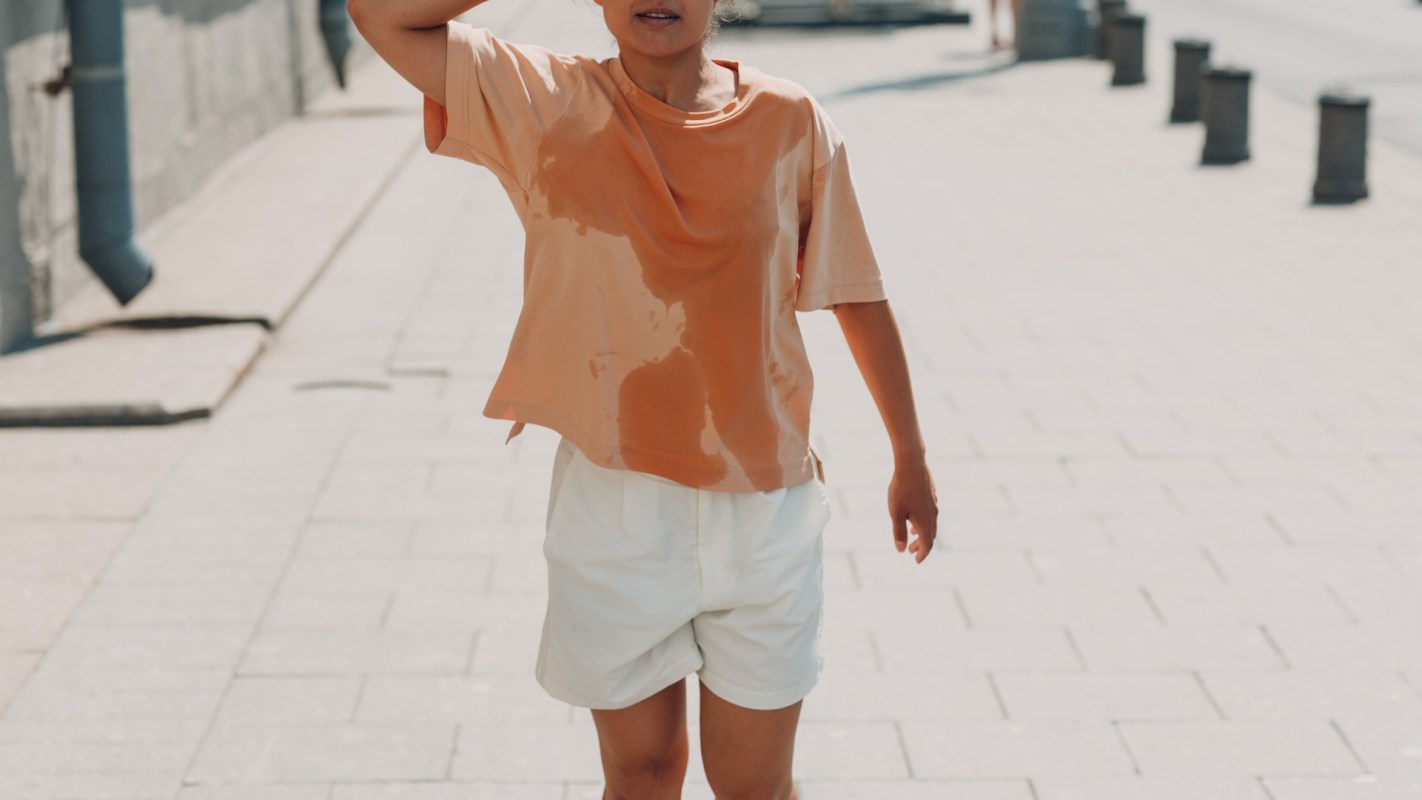
Getting dressed for dangerous heat may sound simple: Put on the lightest summer clothes available and head outside. But textile researchers say staying cool is more complicated than choosing one "best" fabric.
Here's what to know
Researchers told the Associated Press that the central goal is to let sweat evaporate, since that process is one of the body's main defenses against overheating.
As dangerous temperatures become a bigger public health concern, experts say clothing choices matter in several ways, including fabric construction, garment weight, airflow, fit, moisture management, and color.
That is why experts say the usual cotton-versus-linen argument can be misleading. What the label says about fiber matters, but it is only one factor in whether clothing helps the body cool itself.
George Havenith, a retired Loughborough University professor in environmental physiology and ergonomics, said clothing should not get in the way of that natural response. "The most important thing in the selection of clothing would be to make sure you do not hamper sweat evaporation," he said.
Meredith McQuerry, a Florida State University professor focused on clothing development and performance, said shoppers should pay attention to how garments are made, not just what fibers they contain. "For greatest airflow, open weave and loose knit structures are best, free of any water- or soil-repellent finishes. Cellulosic fibers, like cotton and flax (linen), tend to be more breathable and comfortable," McQuerry said.
TCD Picks » Quince Spotlight
💡These best-sellers from Quince deliver affordable, sustainable luxury for all




More background
Researchers say the best option can change depending on the activity. Someone sitting outside or doing light chores may prefer the feel of a loose cotton shirt, while a more fitted synthetic top may work better during exercise because it can move sweat through the fabric and dry faster.
Po-Chun Hsu, a University of Chicago assistant professor focused on materials and sustainability, said cotton's benefits can fade once it becomes saturated. "Imagine you are wearing a wet T-shirt? Of course you get this evaporation going on, but then you also block the breathability and you won't feel very comfortable when it's completely wet," he said.
Jonathan Chen, a University of Texas at Austin professor focused on textiles and apparel, also said polyester should not be treated as a single, uniform category. The Associated Press report noted that a breathable workout top may act very differently from a heavier garment made entirely of polyester.
For people who expect to spend long periods in direct sun, experts said coverage matters as well. Clothing that protects the skin can help with UV exposure, and pale or sun-reflective materials may reduce heat buildup.
What can be done?
For most shoppers, experts say it makes more sense to judge hot-weather clothing by performance than by marketing terms. In general, lightweight, breathable garments designed to promote airflow are the stronger choice.
Fit can also affect comfort. McQuerry said looser garments may be best for casual wear and lighter activity because they improve airflow while a person is standing or sitting, while people doing more intense activity may prefer a closer fit that helps sweat evaporate more efficiently.
Experts also warned consumers to be cautious about "cooling" claims. Hsu said some materials are designed mainly to feel cool on first touch, without offering much benefit after the fabric warms up. If a garment does not improve breathability, evaporation, or sunlight reflection, its effect may be limited.
The AP also described more specialized options, including battery-powered clothing with built-in fans, which has become more common among some workers in Japan. Havenith said that those garments can increase comfort and cool the skin, even if they do not significantly lower core temperature and are still constrained by battery limitations and environmental conditions.
Researchers say the aim is to support the body's own heat-response system. As Havenith explained, "It's a really powerful mechanism from humans that we can defend our body temperature with."

Get TCD's free newsletters for easy tips, smart advice, and a chance to earn $5,000 toward home upgrades. To see more stories like this one, change your Google preferences here.






