


Chinese researchers are giving new meaning to the term sweat equity.
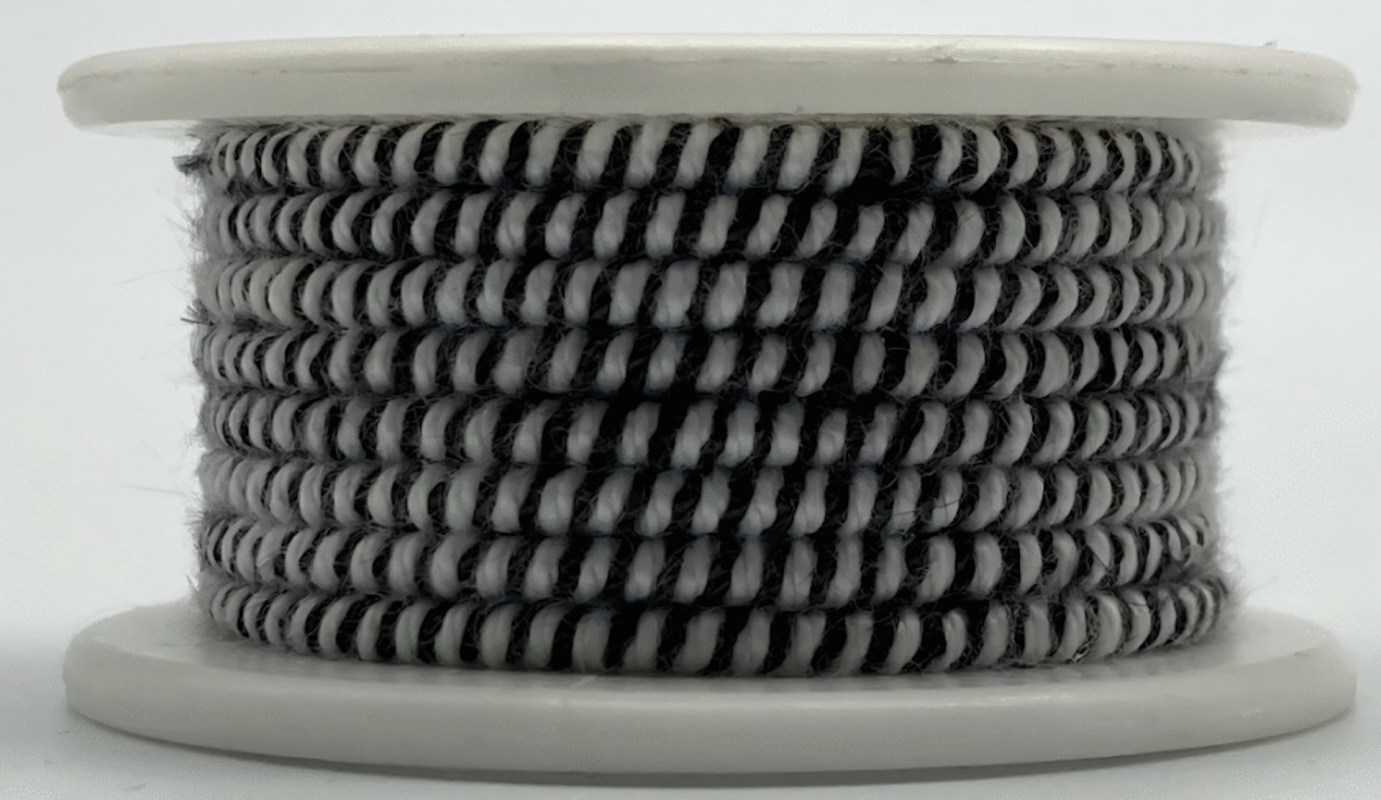
That's because the team from Southwest University has developed a stretchable, yarn-like battery that runs on perspiration, according to a research summary published in Wearable Electronics.
The innovation advances sweat-activated battery research by enabling stretchiness. Prototypes integrated into a headband and a shirt have produced power while the people wearing the clothing exercised, according to experts.
"After absorbing human sweat, the headband and sports shirt worn by volunteers successfully powered LEDs and a pedometer, respectively, even during dynamic stretching," they wrote in the journal.
Yarn-shaped supercapacitors and other fascinating materials with exceptional strength and conductivity are being developed around the world, often with the goal of powering small devices, sensors, or medical equipment in the emerging field of textile electronics.
The Southwest University yarn is made from zinc wire wrapped in cotton. Carbon yarns were wrapped "in parallel onto a polyester-layered elastic substrate," Specialty Fabrics Review reported.
The materials serve as key battery components: Zinc is the anode, and carbon yarn is the cathode. An absorbing cotton layer in the core collects electrolytes from sweat, powering the battery.
A video clip shared by Science Direct shows the two materials being spun around the copper. Other clips show the completed threads being successfully stretched and people wearing the clothing while riding an exercise bike and walking on a treadmill.
The textile battery can be "seamlessly integrated into electronic textiles through traditional techniques, such as weaving, knitting, sewing, and stitching," study senior author Zhisong Lu said, per SFR.
The yarn battery also demonstrated durability, surviving 20 washing cycles. The experts measured a "slight" performance decrease over the first five cycles, after which it stabilized.
TCD Picks » Quince Spotlight
💡These best-sellers from Quince deliver affordable, sustainable luxury for all




|
Which of these savings plans for rooftop solar panels would be most appealing for you?
Click your choice to see results and earn rewards to spend on home upgrades. |
 Save $1,000 this year 💸
 It's more evidence that even mundane bodily functions, such as sweating, can be leveraged for sustainable energy. In France, a group of students used the kinetic energy of routine human motion through a Paris subway turnstile to power screens, as another example.
"Future work may look at device integration and different compositions," SFR reported about the yarn battery.

Get TCD's free newsletters for easy tips, smart advice, and a chance to earn $5,000 toward home upgrades. To see more stories like this one, change your Google preferences here.
Cool Picks





