


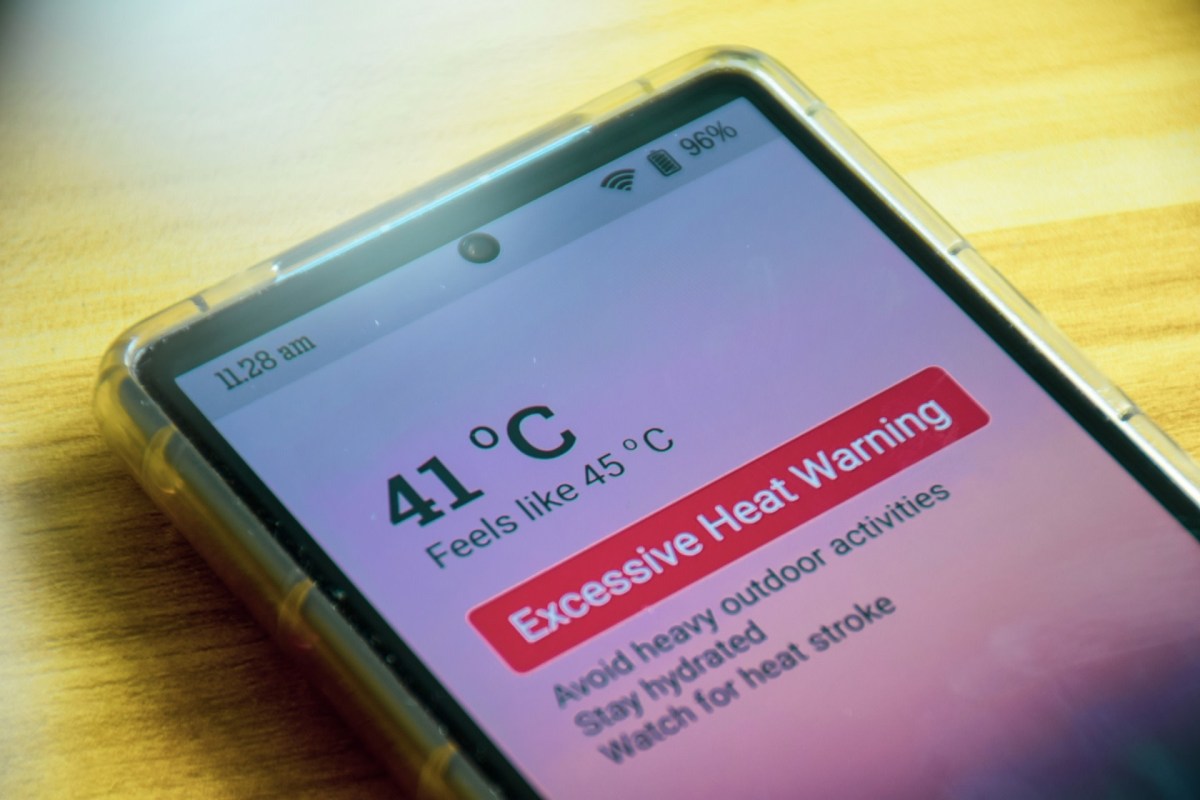
Rising global temperatures are pushing health care workers to devise new strategies to keep people safe in deadly hot weather.
With extreme heat becoming more frequent and intense, the Climate Health Equity for Community Clinics Program is leading by example.
Supported by nonprofit Americares and the Harvard T.H. Chan School of Public Health, it works to protect the most vulnerable people from heat-related health problems via heat action plans for free and charitable clinics as well as community health centers, JAMA Network reported.
These facilities treat 32 million people in the United States. The program's target population includes outdoor workers, people experiencing homelessness, and individuals who are incarcerated. Older adults and young children are also at risk, but extreme heat can affect anyone, including almost 1 in 4 Americans.
"The last thing you usually think about is heat — but heat stroke can play a very detrimental role in some of these patients," Dr. Younes Motii, outreach director for Oceana Community Health in Florida, told JAMA Network.
People with respiratory and other health problems have always been considered susceptible to high temperatures. Still, research shows extreme heat is aging people around the world like smoking and drinking do. In Europe recently, a heat wave killed thousands of people in 12 cities across just 10 days, CNN reported.
This is where the Climate Health Equity for Community Clinics Program steps in, providing cold water, electrolytes, sunscreen, and mini umbrellas, for example. Hydration and cooling stations plus wellness checks are also essential to prevent heat exhaustion, heat stroke, and more, JAMA Network reported.
"While we can't change the circumstances patients may face, we can help prevent some of the impacts tied to their vulnerabilities — whether related to their work, housing, or health," Dr. Julie Varughese, chief medical officer and senior vice president of programs at Americares, said.
The program is less than two years old, having started with 10 clinics in three states, according to JAMA Network. A year ago, 44 clinics joined the initiative, and now clinics in 30 states have a heat action plan.
The Climate Health Equity for Community Clinics Program has already reached its goal to work with 100 free and charitable clinics by 2025. One thousand more are in the pipeline. An online toolkit for clinicians and administrators has been downloaded 20,000 times, per JAMA Network. It includes advice for patients with asthma, heart disease, and diabetes, conditions that can make people more vulnerable to heat exposure.
TCD Picks » Quince Spotlight
💡These best-sellers from Quince deliver affordable, sustainable luxury for all




|
Do you worry about the longevity of EV batteries? Click your choice to see results and speak your mind. |
 For sure 💯
 In addition to bolstering clinics' resources, the next steps include creating flood action plans for at-risk communities similar to the heat action plans.
Education is among the most important aspects of fostering a safer, cooler future, as only 36% of health care workers talk about the changing climate with patients, even though 84% said it affects patient health, according to a JAMA Network report. More research is also needed to prove the program's effectiveness and cost savings.
Motii noted that providing housing is a top-line goal since air-conditioned shelters are usually full.
"There really isn't much of a long-term solution that we provide to them yet, but we're hopeful this will turn around — that we can offer something more to our patients in the future," Motii said.

Join our free newsletter for weekly updates on the latest innovations improving our lives and shaping our future, and don't miss this cool list of easy ways to help yourself while helping the planet.
Cool Picks





