


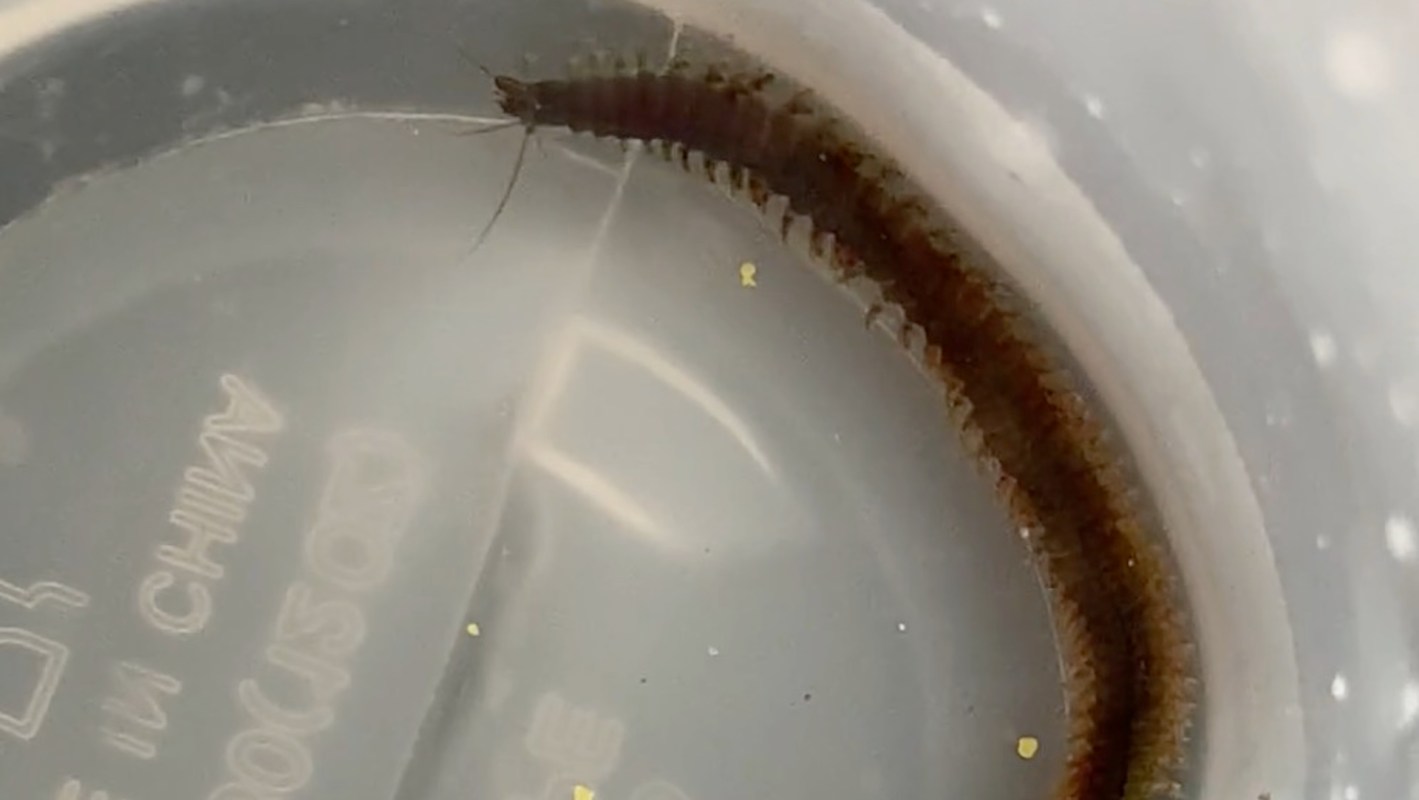
While clearing out a saltwater aquarium that had been left sitting unused, one tank owner discovered the setup was not completely lifeless after all.
Inside the water was a blue, worm-like animal about 4 inches long, moving around the tank by both swimming and crawling.
What happened?
In a post on Reddit's r/whatisthisbug forum, the aquarium owner wrote, "I have a 19 litre (4.18 gallons) saltwater aquarium where all my sea monkeys passed away long ago and the tank had been sitting unused for awhile."
(Click here to view footage if embed does not appear.)
The surprise discovery came when the original poster added, "Today i was cleaning out this old tank and found this blueish guy alive swimming and crawling under the water, was a very unexpected find. What is it and can i feed it to hermit crabs?"
Commenters identified the animal as a bristle worm, a common but often unwelcome hitchhiker in saltwater aquariums.
TCD Picks » Quince Spotlight
💡These best-sellers from Quince deliver affordable, sustainable luxury for all




One top commenter offered a blunt warning: "Bristle worm. Do not touch and don't put any parts of it back in your tank." Other commenters noted that the worm's bristles can irritate skin and may even deliver a venomous sting.
Why does it matter?
Bristle worms can serve as useful scavengers in some marine systems, but many hobbyists avoid handling them because their tiny bristles can break off in skin and cause painful irritation.
A home saltwater tank is an artificial habitat, and marine animals are often transported unintentionally through live rock, sand, plants, or water.
Several commenters described bristle worms as an ancient group that has persisted for hundreds of millions of years.
What can I do?
If you find an unfamiliar creature in an aquarium, pond, or outdoor water feature, avoid touching it with your bare hands. If you need to isolate it, use gloves, tongs, or a container, and seek identification from a local aquarium store, extension office, or a trusted online ID group before deciding what to do next.
Redditors specifically advised against putting the worm back in the tank or offering it to hermit crabs until it was officially identified.
Quarantining new live rock and substrate, inspecting tanks regularly, and never releasing aquarium water or organisms into local waterways can reduce the risk of surprise infestations and help prevent nonnative species from spreading beyond the tank.

Get TCD's free newsletters for easy tips, smart advice, and a chance to earn $5,000 toward home upgrades. To see more stories like this one, change your Google preferences here.






