


For decades, Cincinnati's Winton Hills neighborhood has lived alongside dumps and industrial sites, with land that carries the legacy of long-standing pollution.
Now, that same land is being transformed into a source of cleaner, cheaper energy.
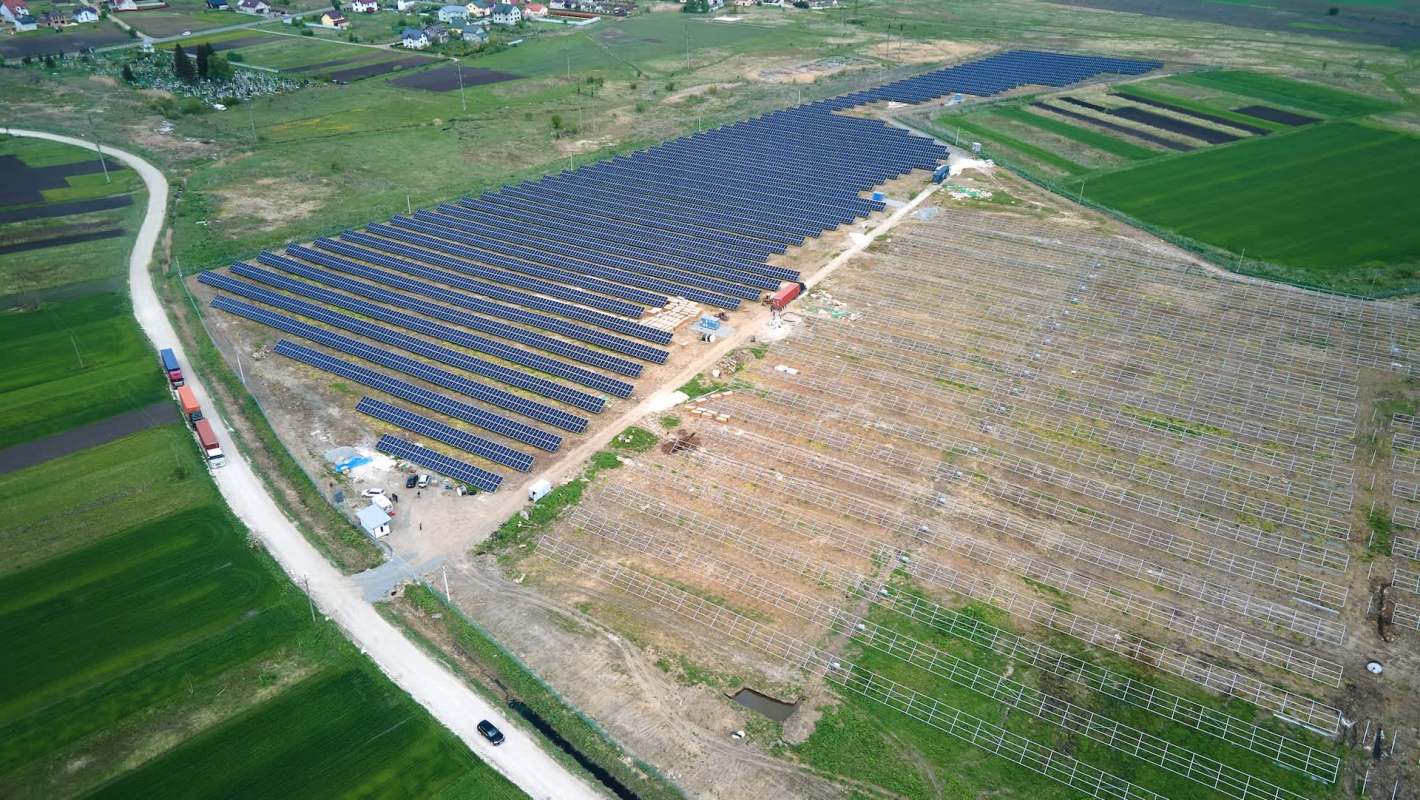
Cincinnati is moving forward with a 10-megawatt solar array on the former Center Hill Landfill in Winton Hills, where residents of the predominantly Black neighborhood have long lived near two adjacent dumps and industrial facilities tied to contamination, WVXU News reported.
The project had originally secured $10 million through the federal Solar for All program, but that funding disappeared after the program was terminated last year. The city pieced together a new financing plan for the roughly $25 million project using $12 million from its capital budget, federal tax incentives, and an arrangement in which a developer will own half of the array and sell electricity to the city.
Construction began in April, and the solar farm is expected to come online by late 2027. Once it is operating, it will supply about one-tenth of the electricity used by city facilities, making it the largest solar project within Cincinnati city limits.
The former landfill was remediated in 2009, but the land is still not suitable for housing or agriculture. Solar offers a practical path forward for sites with few redevelopment options.
TCD Picks » Quince Spotlight
💡These best-sellers from Quince deliver affordable, sustainable luxury for all




According to Cincinnati officials, the project supports the city's net-zero-by-2050 goal while helping reduce air pollution and lower energy costs for municipal operations.
Residents in Winton Hills have spent years raising concerns about illness, air quality, and environmental neglect. Not everyone agrees that solar should be the city's top spending priority, but the project would put polluted land back into use.
Matthew Popkin of Rocky Mountain Institute said closed landfills are often difficult to reuse, making solar a strong fit for these sites.
The institute says installing solar on nearly half of the closed landfills in the United States could generate enough electricity to power almost 8 million homes.
Community leader Obalaye Macharia said the project goes beyond where the electricity will flow.
"Even if the power is not going to us, it's an example of what we need to do," Macharia said.

Get TCD's free newsletters for easy tips, smart advice, and a chance to earn $5,000 toward home upgrades. To see more stories like this one, change your Google preferences here.






