


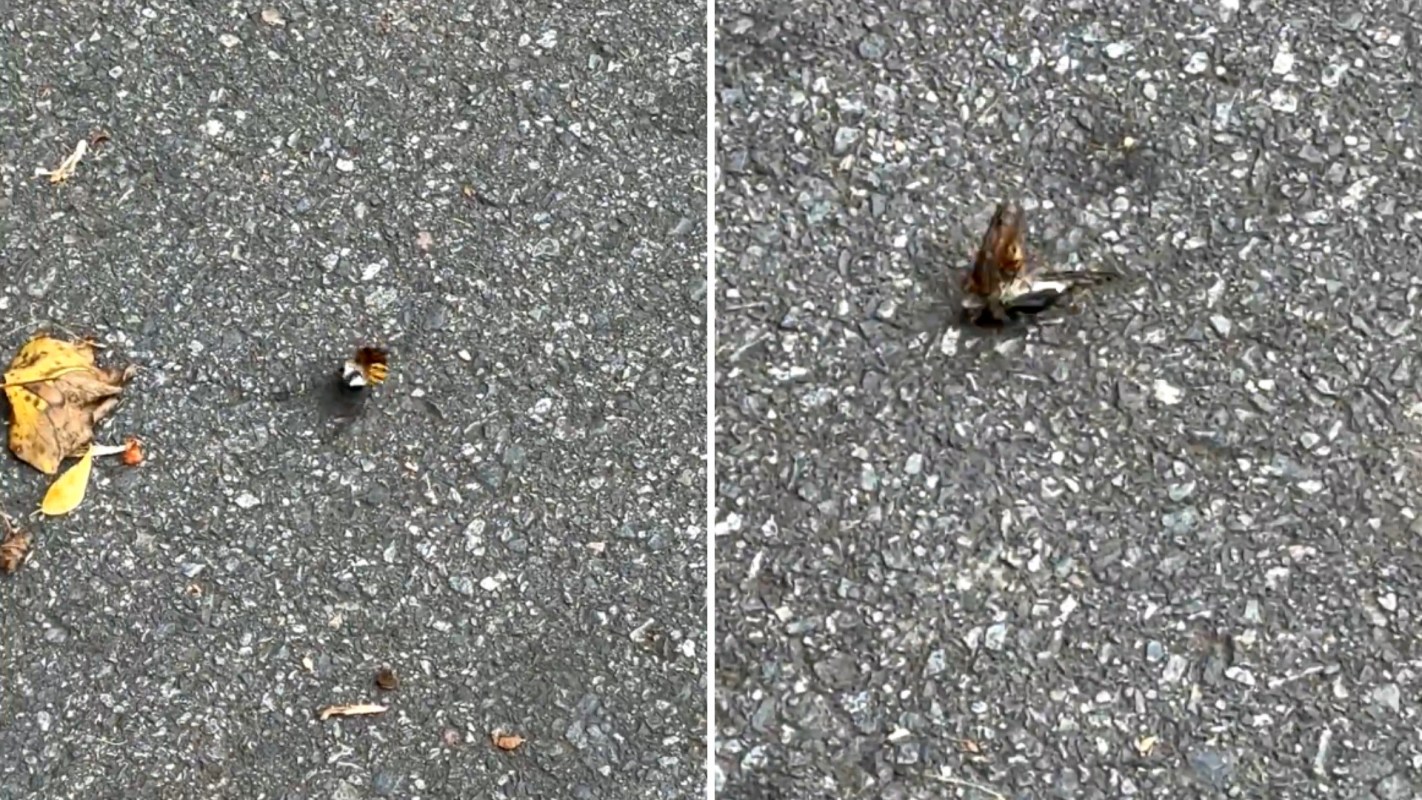
A strange parking lot showdown between a cicada and a large yellow insect sent one Redditor looking for answers.
The comments section turned the clip into a quick lesson in hornets, bees, and why bug IDs matter.
What happened?
Not every buzzing insect is a bee. The confusion started when a user asked the r/whatsthisbug community to identify the insect they saw grappling with a cicada in a parking lot.
"Saw this in my parking lot but couldn't get a solid ID on the bee," they wrote. "I could tell it wasn't a cicada killer wasp, though. I got a look when the fight stopped, and it had way more yellow and was softer in texture. It was near the size of the cicada, though!"
(Click here if the embedded video does not appear.)
Their interpretation was challenged in the comments. "It's a wasp, not a bee. Reddit has taught me that no one knows what a bee is," one user wrote.
TCD Picks » Quince Spotlight
💡These best-sellers from Quince deliver affordable, sustainable luxury for all




As the replies came in, the consensus shifted to a European hornet, or Vespa crabro, rather than a bee or cicada killer. "That is a European hornet, not a bee," one person said, while another added: "I agree. Looks more like a European hornet than a cicada killer."
The original poster took the correction well and joined in the learning moment, noting in an update: "I apologize for bee-ing naive. … I'm learning so much. Thank y'all for clarifying!"
The OP also added: "I just took the time to look up a picture, and [a European hornet] definitely looks to be this cicada's sparring partner. Thank you so much!"
Why does it matter?
The exchange showed how easy it is to misidentify insects that show up around buildings, homes, and gardens, particularly when they are moving quickly.
Part of the reason the correction mattered is that European hornets are not native to North America. One commenter said the species had "come here as an invasive species in the mid-19th century" and noted that until the last few years it had been the only hornet established in the United States.
So, even when a species is already widespread, recognizing it can help people respond more appropriately.
The discussion also highlighted how often people collapse bees, wasps, and hornets into the same category. As one commenter explained, "When people think of wasps, most people only think of yellow jackets, and when people think of bees, most people only think of honeybees." Confusing those groups can lead people to fear or kill insects that are beneficial.

Get TCD's free newsletters for easy tips, smart advice, and a chance to earn $5,000 toward home upgrades. To see more stories like this one, change your Google preferences here.






