


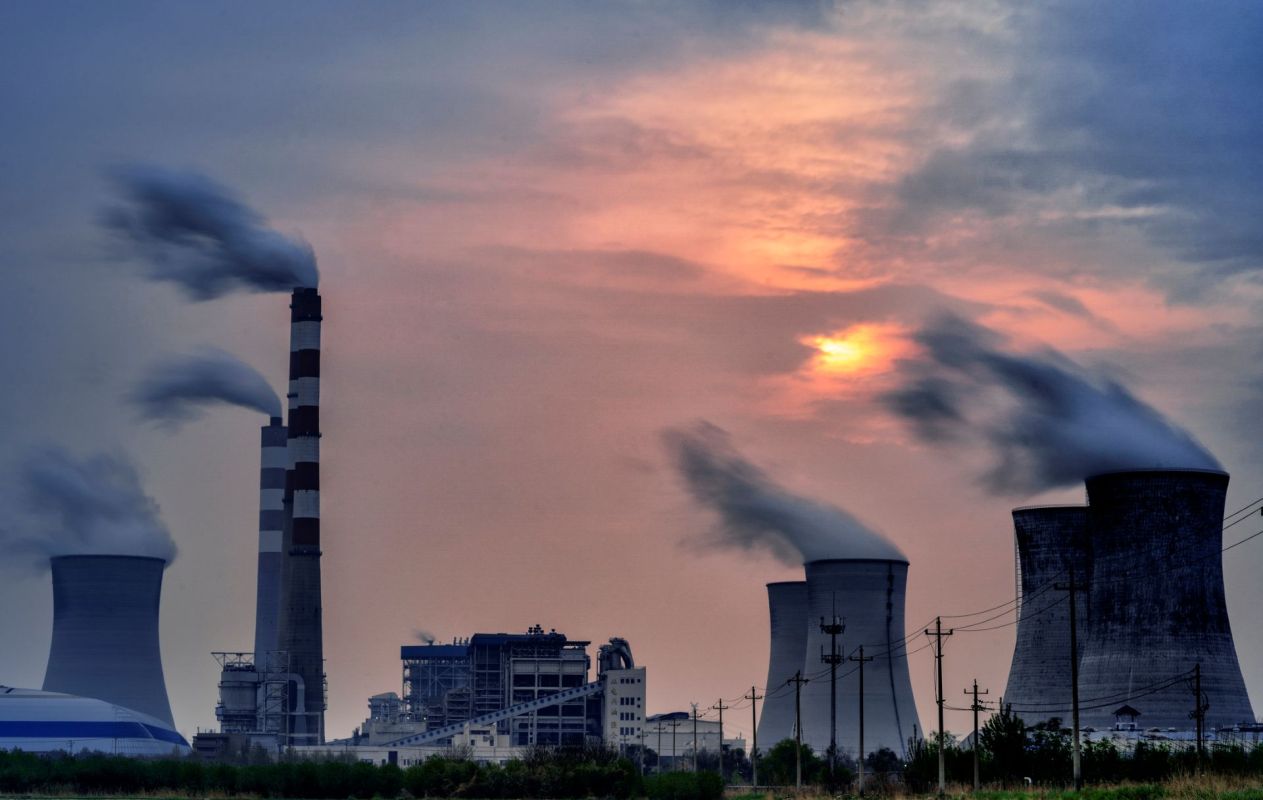
China added wind and solar capacity at breakneck speed, yet a sizable amount of that potential clean generation was never delivered through the grid.
That shortfall, together with rigid coal-plant arrangements and inflexible grid management, contributed to higher carbon pollution in early 2026.
What's happening?
A new analysis from Carbon Brief found that China's carbon dioxide emissions increased by 2% in the first quarter of 2026, even as the country added wind and solar capacity at record levels.
Wind capacity was 23% higher than a year earlier, and solar capacity was up 33%, but the power system did not absorb all the added renewable output, resulting in heavy curtailment.
The analysis found that if curtailment had not increased recently, quarterly wind and solar generation would have been roughly 170 terawatt-hours higher — more electricity than France produced over the same period.
Coal- and gas-fired generation still rose 4% from a year earlier, lifting power-sector emissions by 4%. Those emissions would have remained flat without the increase in curtailed wind and solar.
TCD Picks » Quince Spotlight
💡These best-sellers from Quince deliver affordable, sustainable luxury for all




Why does it matter?
Coal and natural gas power plants contribute to air and water pollution linked to asthma, heart disease, cancer, and premature death, while also keeping energy costs elevated for families that remain tied to volatile fuel markets instead of more abundant resources such as wind and sunlight.
Industry lobbying and legacy contracts can also slow the transition to cleaner, cheaper energy systems that would better protect communities and help lower utility bills.
China has also been adjusting to higher oil and gas prices tied to disruptions around the Strait of Hormuz, and its failure to fully use available renewable power has made the problem worse.
What's being done?
Chinese policymakers have already identified curtailment as a major challenge in the energy transition.
The country is aiming to build a "new type power system" by 2027 that can handle much larger volumes of wind and solar, while regulators have also called for greater flexibility and, in areas with enough firm capacity, to "strictly limit" new coal-power additions.
Energy experts are increasingly focused not just on how many solar panels or wind turbines get built, but also on whether power systems can actually use that electricity when it is needed most.
China's next steps could help decide whether the current fossil-fuel crunch reinforces coal use or speeds a cleaner shift built around a "new type power system" and electricity markets that can "participate fairly."

Get TCD's free newsletters for easy tips, smart advice, and a chance to earn $5,000 toward home upgrades. To see more stories like this one, change your Google preferences here.






