


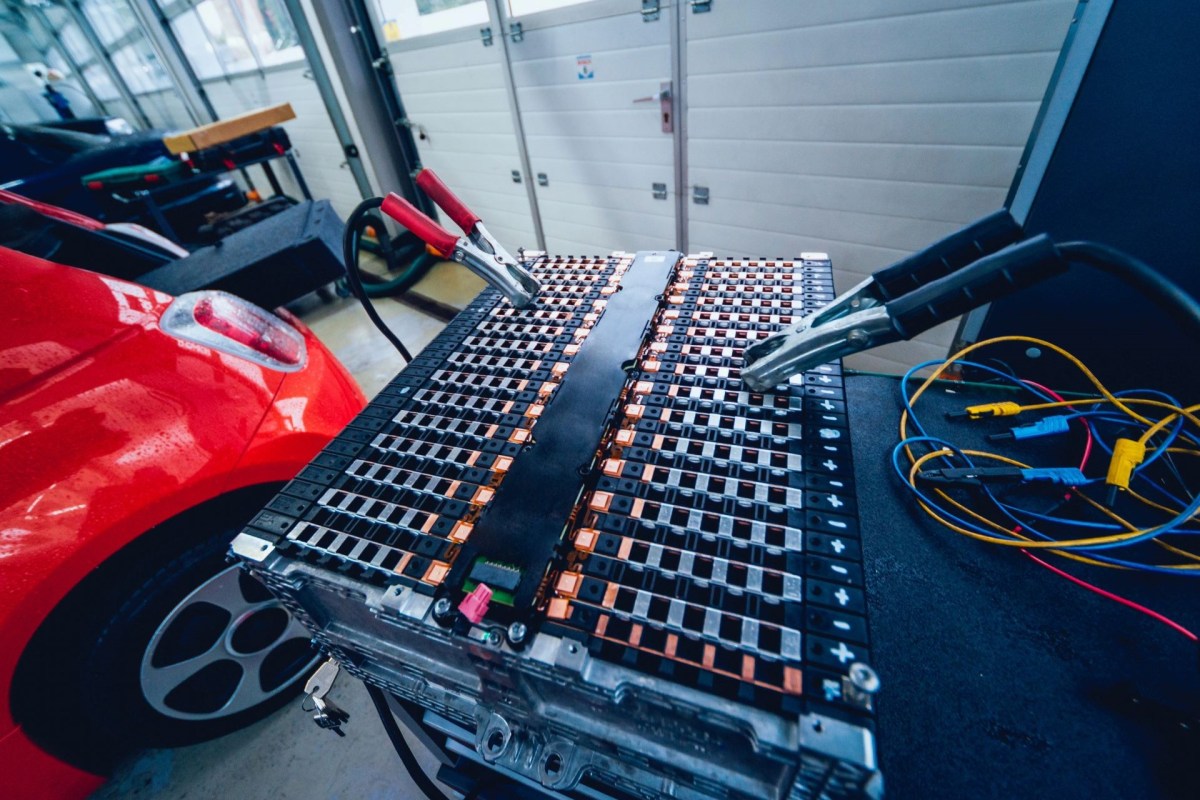
Chinese electric vehicle battery makers now need to install a digital passport on their products to ensure they are properly dismantled at the end of their lives.
It's a hedge against the 1.1 million tons of retired batteries expected to be made yearly by 2030, representing a potential load of hazardous waste, trade publication Battery Technology reported. These chips will carry information about the pack's lifetime — from production to recycling — and are traceable.
It's more fodder for motorists who fear that high-tech cars that can drive themselves, communicate, and be tracked will be used for nefarious means.
But the environmental repercussions of trashed batteries are a far greater threat. When packs are improperly discarded, they release toxic heavy metals into the soil and water, according to the Institute for Energy Research. What's more, reusing expensive components can help to lower battery and EV prices.
"Recycling … could reduce the cost of materials for new batteries by providing a cheaper and less energy-intensive supply stream than virgin materials," experts at Calstart, a nonprofit promoting cleaner transportation, reported.
Passport developer China Automotive Data said the program aims to foster a sustainable, circular battery sector. The program has buy-in from battery giant Contemporary Amperex Technology, EV maker NIO, and numerous other companies.
"This represents a significant institutional innovation, applying digital technology to trace the entire life cycle of power batteries," Wang Peng, from China's Ministry of Industry and Information Technology, told China Daily.
As part of the program, batteries must be scrapped with their EV to ensure the packs are properly recycled. Fines of up to $7,174 will be levied for anyone who fails to comply.
"The new rules aim to prevent illegal dismantling of battery packs by traders that could create pollution problems. This could also help improve the market position of car dismantling plants and encourage large-scale processing of battery packs," analyst Edgar Gao told Bloomberg.
EV sales globally are on the rise, representing 22% of all vehicles sold in 2024, an eightfold increase from a half-decade earlier. China leads the world, with 11.3 million EV sales in 2024, according to the World Resources Institute.
TCD Picks » Upway Spotlight
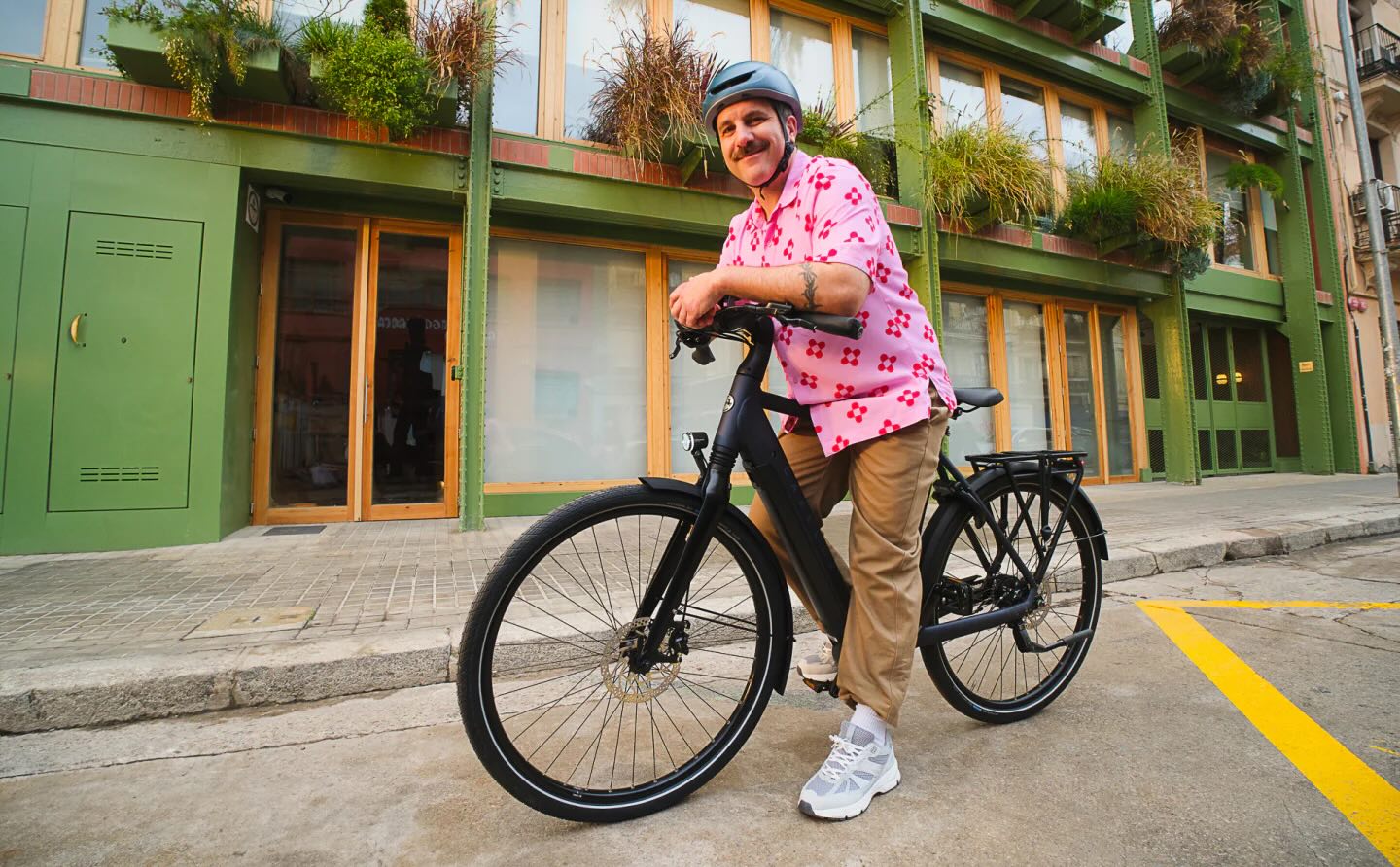
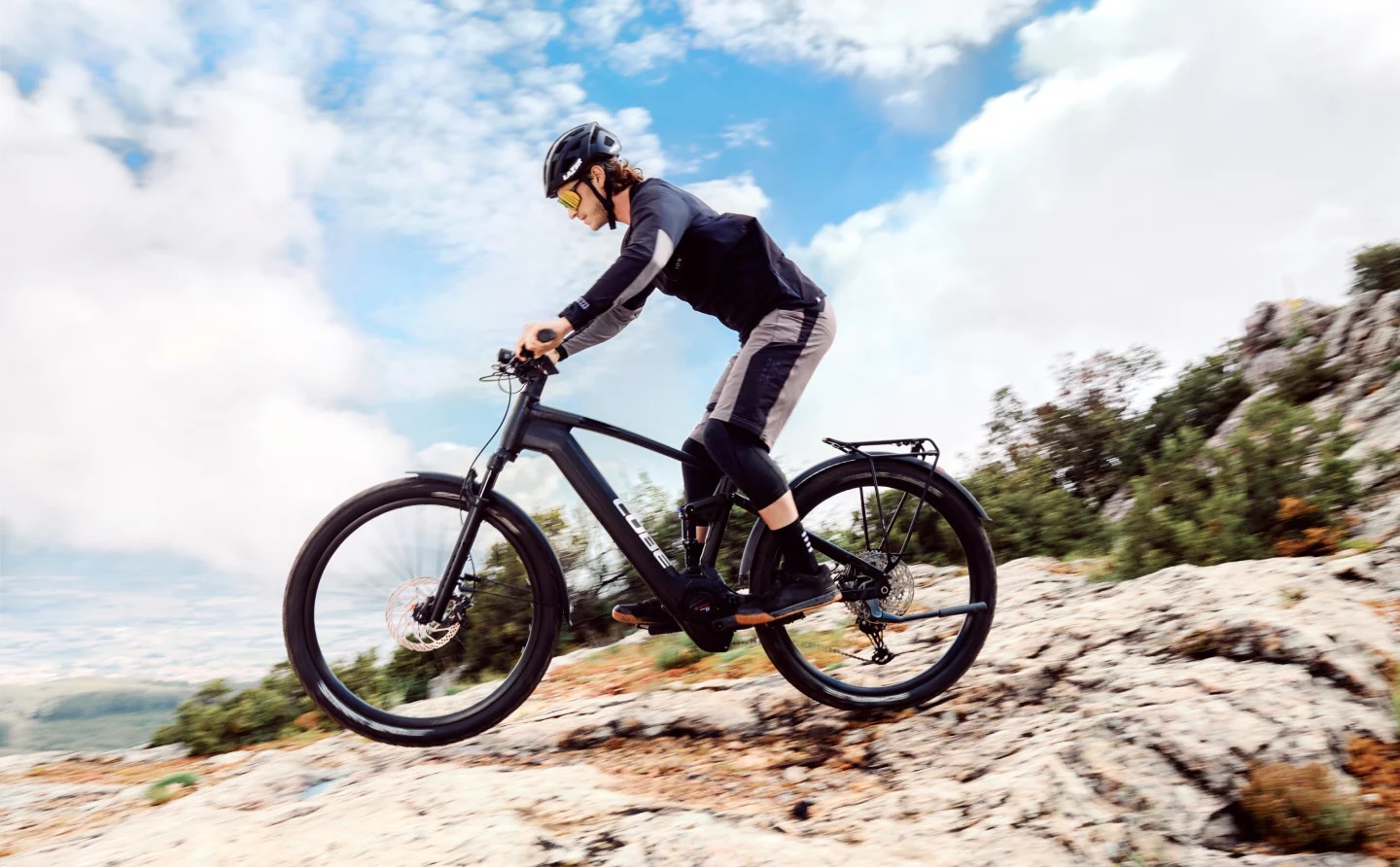
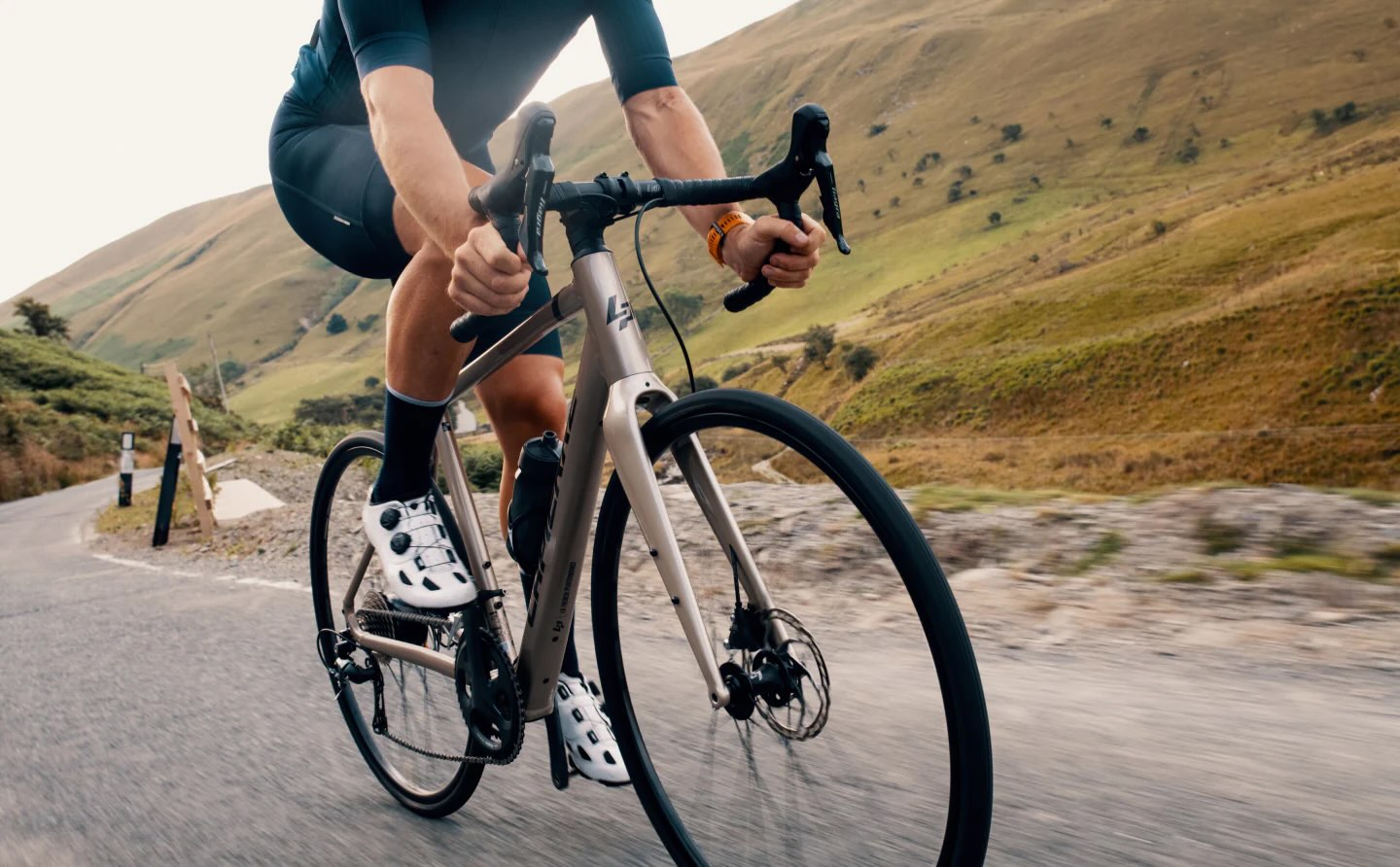
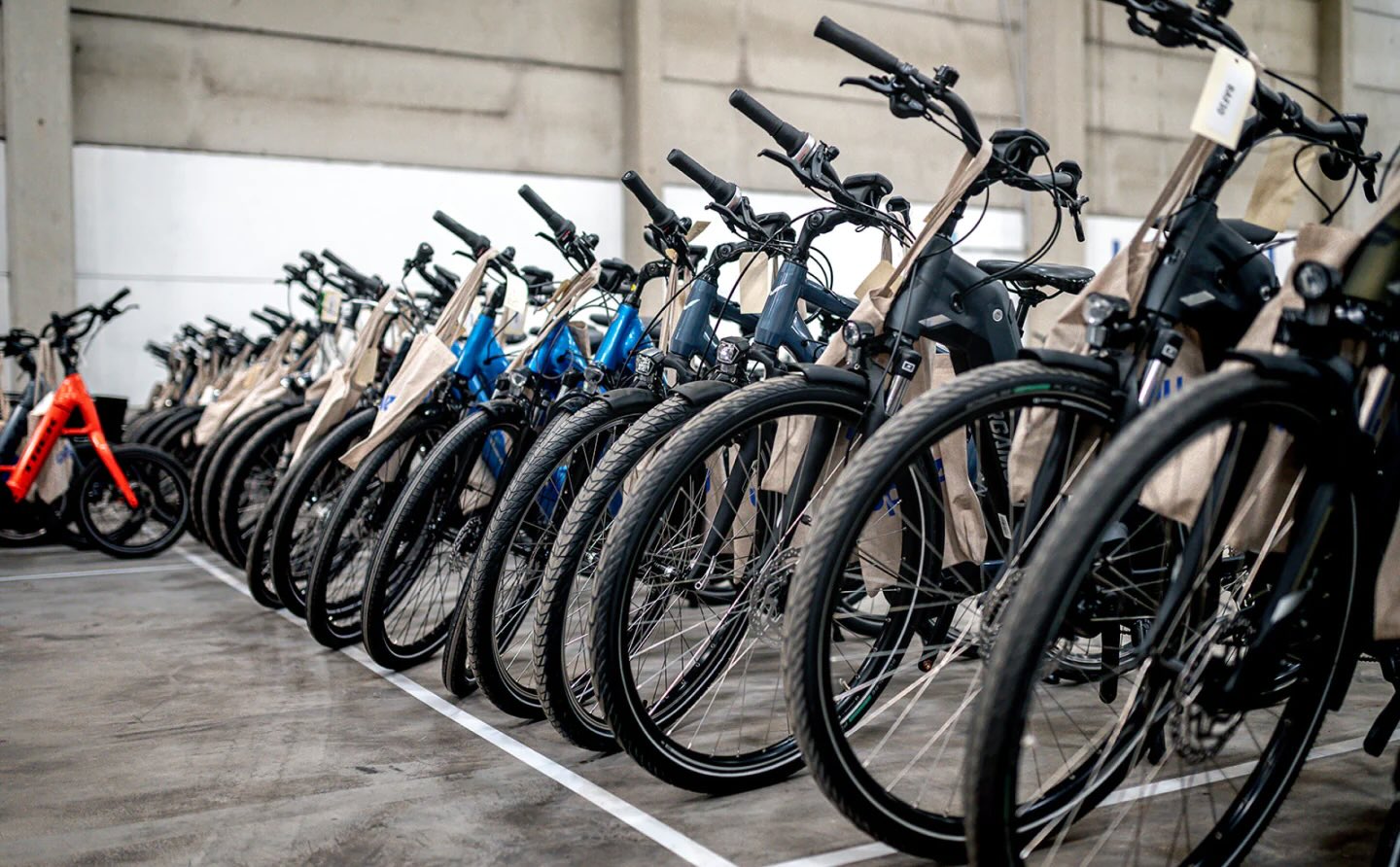
💡Upway makes it easy to find discounts of up to 60% on premium e-bike brands

|
What's the most you'd pay per month to put solar panels on your roof if there was no down payment?
Click your choice to see results and speak your mind. |
 $200 or more 💰
 As a result, battery recycling is emerging as a growing industry. Fortune Business Insights estimated that the global market size will balloon from $32.2 billion to $91.7 billion by 2034. Mercedes-Benz is among the companies investing in the sector with a recycling plant.
Successful, scaled reuse can also limit the amount of new metals that need to be mined. Digging up and processing lithium and other deposits can pollute the air and water, according to Earth.org. While we will need tens of millions of tons of those materials to power a clean energy shift, Sustainability by Numbers reported that it's far short of the 16.5 billion tons of coal, gas, and oil that's hauled from Earth each year, causing harmful air pollution when burned for energy.
Home solar combined with EV use is a great way to save money and prevent pollution. The Cool Down's Solar Explorer can help you get started with trusted partners that provide curated quotes and vetted installer recommendations. The move can reduce or eliminate your electricity bill. For their part, EV owners typically save up to $1,500 annually in gas and service costs.
In China, battery and EV manufacturers are required to "establish recycling services in all provinces." A code containing all relevant information about the pack's life is to be included.
"By introducing digital IDs for EV batteries, China is addressing domestic challenges and aligning with global sustainability efforts," Battery Technology reported.

Get TCD's free newsletters for easy tips to save more, waste less, and make smarter choices — and earn up to $5,000 toward clean upgrades in TCD's exclusive Rewards Club.
Cool Picks





