


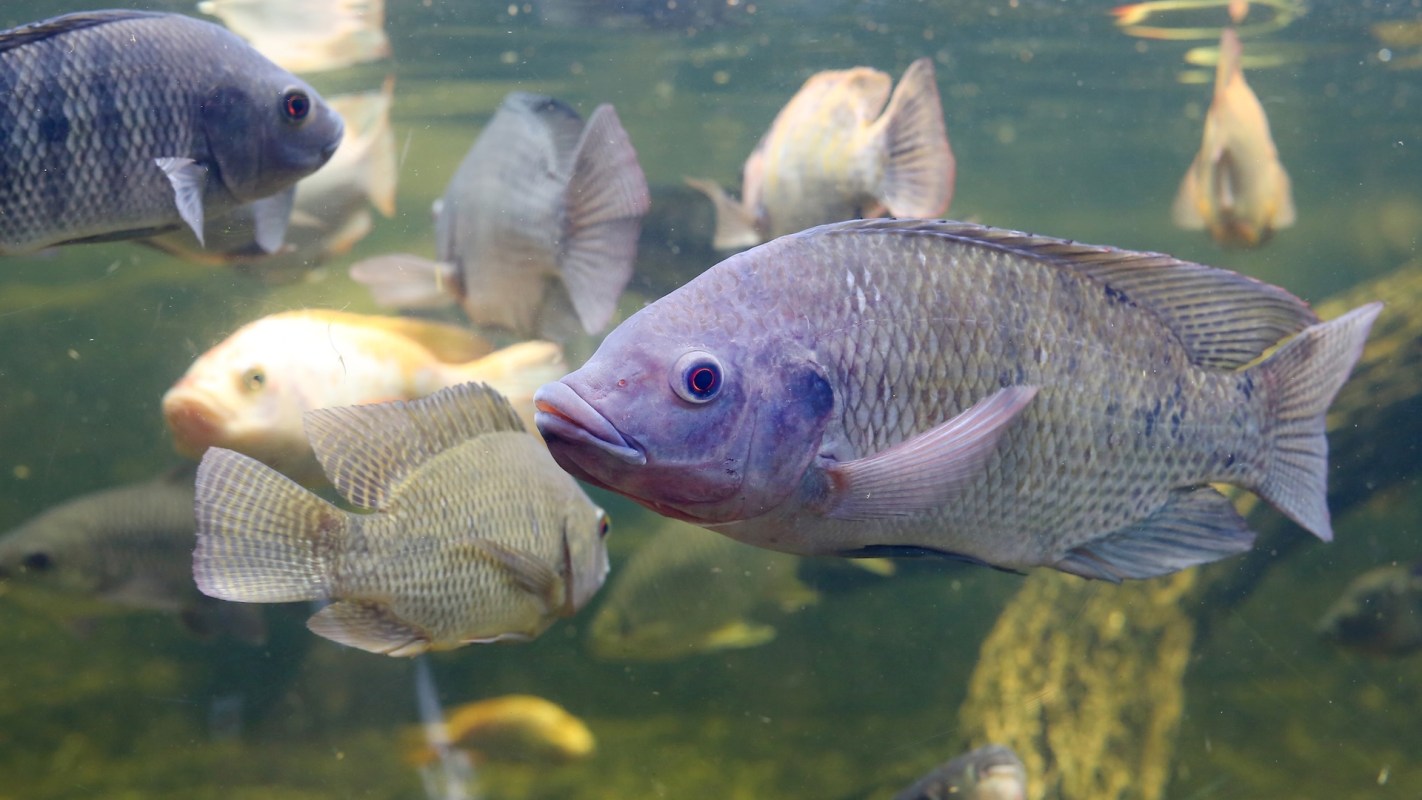
Researchers say some invasive fish may succeed for a less obvious reason than fast reproduction or pollution tolerance: Even when the food around them becomes nutritionally weaker, they seem to maintain important omega-3 fatty acids.
What happened?
Among humans, omega-3 fatty acids are perhaps best known as a dietary supplement, supporting heart health and reducing inflammation, according to the UC Davis Department of Nutrition. However, they also appear to deeply influence our food systems.
In China's Dongjiang River system, a four-year investigation found that invasive cichlids such as Nile tilapia showed much more stable omega-3 levels than native fish, according to Earth.com.
To track nutrients over the long term, a team collected muscle samples from fish representing dozens of species at 14 locations between 2021 and 2024. Then, the researchers measured the nutrients the fish stored in their bodies over long periods.
They discovered that invasive fish responded differently to seasonal changes. Cichlid invaders shifted more of their diets toward lower-quality material, such as plants and leaf litter, while native species clung to the higher-quality food sources, even when there was less available.
Still, the omega-3 levels in the invasive fish remained nearly unchanged, while those in the native fish declined. The team referred to the invasive fish's stability as "nutritional resilience," per Earth.com. Fen Guo, a professor of aquatic ecology at Guangdong University of Technology, led the study, published in Communications Earth & Environment.
TCD Picks » Quince Spotlight
💡These best-sellers from Quince deliver affordable, sustainable luxury for all




Why does it matter?
Healthy freshwater ecosystems support local fishing, food supplies, biodiversity, and communities that depend on rivers for work and recreation.
If invasive fish can continue to thrive on low-quality food while native fish lose crucial nutrients, this can accelerate ecological disruption and make recovery more difficult.
The findings also suggest that standard invasive-species risk assessments may be missing an important factor. Managers often focus on how quickly a species reproduces or how well it can survive polluted water.
In other words, the results suggest that the nutritional quality of available food — and whether a fish can stay healthy as that quality drops — may be another reason invasive species persist while natives struggle.
Earth.com noted that as climate change and pollution continue to alter freshwater food webs, species that can cope with nutrient-poor conditions may have the best chance of expanding their range.
This could affect fisheries, increase management costs, and slow progress toward healthier waterways that both people and wildlife rely on.
What are people saying?
The researchers cautioned against reading too much into the pattern.
As Earth.com noted, "steadiness does not automatically win" because the invaders started with lower levels of an omega-3 called EPA than the native fish.
Still, in the study, they described nutritional resilience as a "potentially important but underappreciated dimension of invasion ecology."
The next step is figuring out how the invasive fish manage to maintain their omega-3 levels — whether they are selecting richer scraps, retaining omega-3s more efficiently, or making some of those fats from simpler plant compounds.

Get TCD's free newsletters for easy tips, smart advice, and a chance to earn $5,000 toward home upgrades. To see more stories like this one, change your Google preferences here.






