


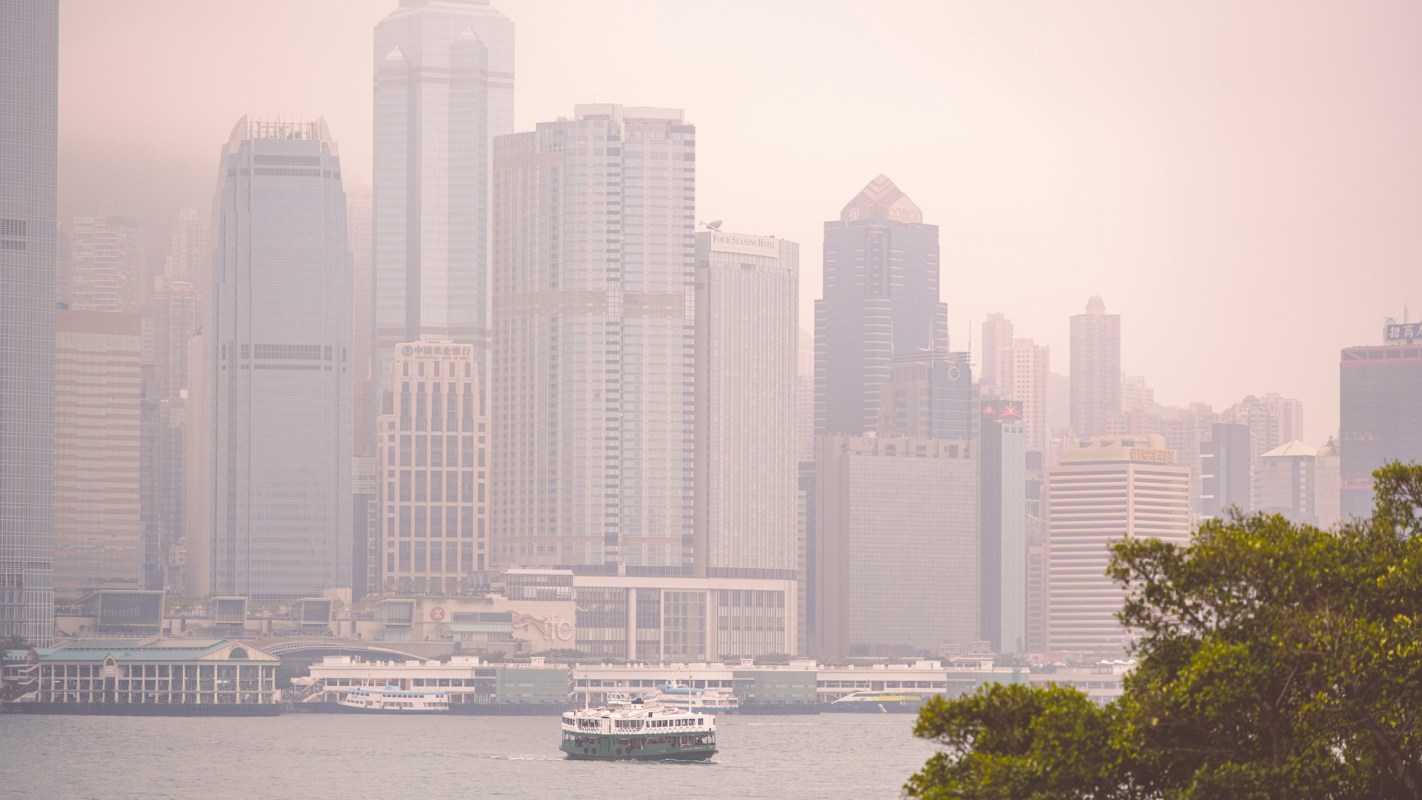
Efforts to clean up China's air appear to have delivered major public-health gains, but new research indicates they may also have made summer heat worse in some moisture-rich cities.
Researchers say the same dynamic could extend beyond China as more countries move to reduce aerosol pollution.
What happened?
According to a report from Phys.org, a team at the University of Hong Kong found that lowering levels of airborne aerosols — tiny particles that can bounce sunlight back into the atmosphere — can make warm-season heat in humid cities more intense.
Their paper in Nature Cities suggests that cleaner skies can come with higher urban temperatures. The researchers used large-scale global climate simulations to show that a city's humidity can significantly impact how much solar warming reaches the ground as overall air pollution levels decline.
There were differences between cities and rural areas as well.
The sharpest difference appeared in humid regions such as East Asia and Indonesia. In cities, concrete and other impervious surfaces provide less cooling through evaporation, while nearby rural land can experience increased cooling due to greater vegetation growth.
TCD Picks » Quince Spotlight
💡These best-sellers from Quince deliver affordable, sustainable luxury for all




As a result, city temperatures rise faster than those of surrounding areas, making the urban heat island effect stronger. The researchers said observations associated with China's Air Pollution Prevention and Control Action Plan were consistent with that pattern, Phys.org reported.
Why does it matter?
Stronger heat island effects can increase cooling costs, worsen heat stress, and raise health risks for people who work outdoors, live in poorly insulated housing, or lack reliable air conditioning. In densely populated cities, even a modest temperature increase can make heat waves more dangerous.
The findings also point to a policy challenge. Reducing air pollution remains essential because dirty air is linked to serious respiratory and cardiovascular harm. However, the study suggests cleaner air policies may need to be paired with heat defenses in wetter climates, including more tree cover, cooler roofs, shaded streets, and building designs that reduce heat absorption.
Dry regions behaved differently. In other words, regional hydroclimate helps determine how cities respond after aerosol pollution declines.
Phys.org described the finding as a "critical, underrecognized trade-off in global environmental policies," while highlighting an "urgent need for integrated policies that address both air quality and urban heat adaptation."

Get TCD's free newsletters for easy tips, smart advice, and a chance to earn $5,000 toward home upgrades. To see more stories like this one, change your Google preferences here.






