


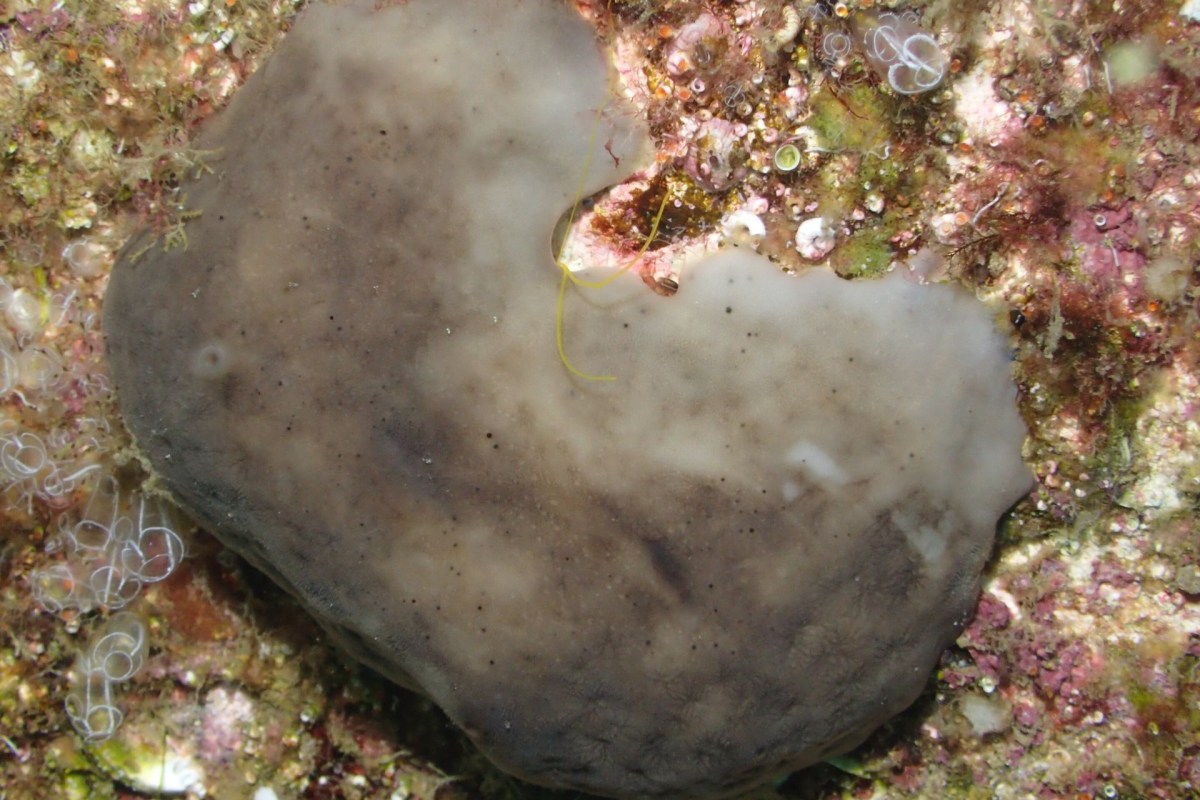
Marine life has a hard time in polluted ports, where survival can be especially difficult.
Scientists, though, think one unusually tough sponge in northeastern Spain could show how damaged harbors might recover.
In a stressed marina, the so-called chicken kidney sponge did more than stay alive — it also spread.
That finding gave researchers hope that the species could clean and restore working waterfronts over time.
What's happening?
Scientists testing ways to "renaturalize" degraded ports set up an experiment in Marina Palamós, a recreational harbor in Girona.
As Frontiers reported, they transplanted 42 sponges from five hardy Mediterranean species found in shallow water onto artificial reef structures fixed to the marina's underwater seawall.
TCD Picks » Quince Spotlight
💡These best-sellers from Quince deliver affordable, sustainable luxury for all




Only one species succeeded in the harbor: the chicken kidney sponge, Chondrosia reniformis.
Another species died before it could be transplanted, while the other three shrank and died over a span of 20 to 165 days.
"Here we show that some sponge species have exceptional potential for use in the restoration of degraded harbor habitats," Manuel Maldonado, who leads the Center for Advanced Studies of Blanes, said.
By the end of the 455-day monitoring period, 91.7% of the chicken kidney sponges were still alive.
The species also reproduced asexually through a natural "creeping" process that allows parts of the sponge to separate and establish clones in new spots.
Why does it matter?
Enclosed harbors can concentrate several threats to coastal health.
Trash, oil, toxic antifouling chemicals, invasive species, and underwater noise from dredging and ship traffic can all build up in those spaces.
Dirty harbor water can damage local ecosystems, reduce habitat for fish and small marine animals, and make coastlines less pleasant and less resilient for nearby communities.
Clean, healthy ports can support recreation, tourism, and local economies while improving conditions for the species that live there.
Sponges move large amounts of seawater through their bodies, removing organic particles and other pollutants.
In the process, they recycle nutrients that support food webs and create shelter for worms, crustaceans, and juvenile fish.
The team said the sponge has another advantage, per Frontiers: "Unlike many sponges, the chicken [kidney] sponge can 'creep' away if local conditions deteriorate."
What's being done?
To run the trial, the researchers first collected the sponge candidates at Santa Anna Point, about 19 miles from Marina Palamós.
Before placing them in the harbor, the team kept them on ceramic plates in seawater-fed tanks at the Blanes marine research center.
The researchers then attached those plates to artificial reef frames made from calcium-carbonate-coated metal grids. That setup let them compare how well each species could tolerate harbor conditions in a controlled test.
Because Chondrosia reniformis performed so well, the team believed it could become an important pioneer species in future restoration work, helping restart marine life in damaged urban waters where more sensitive organisms still cannot survive.
"Our next step is to monitor the transplanted sponges over several years," Maldonado said.
He added that the scientists also want to find out whether the sponge's symbiotic microbes contribute to its pollution tolerance while they test additional species that might help restore stressed ports.

Get TCD's free newsletters for easy tips, smart advice, and a chance to earn $5,000 toward home upgrades. To see more stories like this one, change your Google preferences here.







