


A Southern California family spent nights sleeping in their car after a chemical tank at a nearby aerospace plant threatened to explode, forcing roughly 50,000 people from their homes just ahead of Memorial Day weekend.
Now that residents have returned, many are asking whether they were truly protected — and why they were put in that position in the first place.
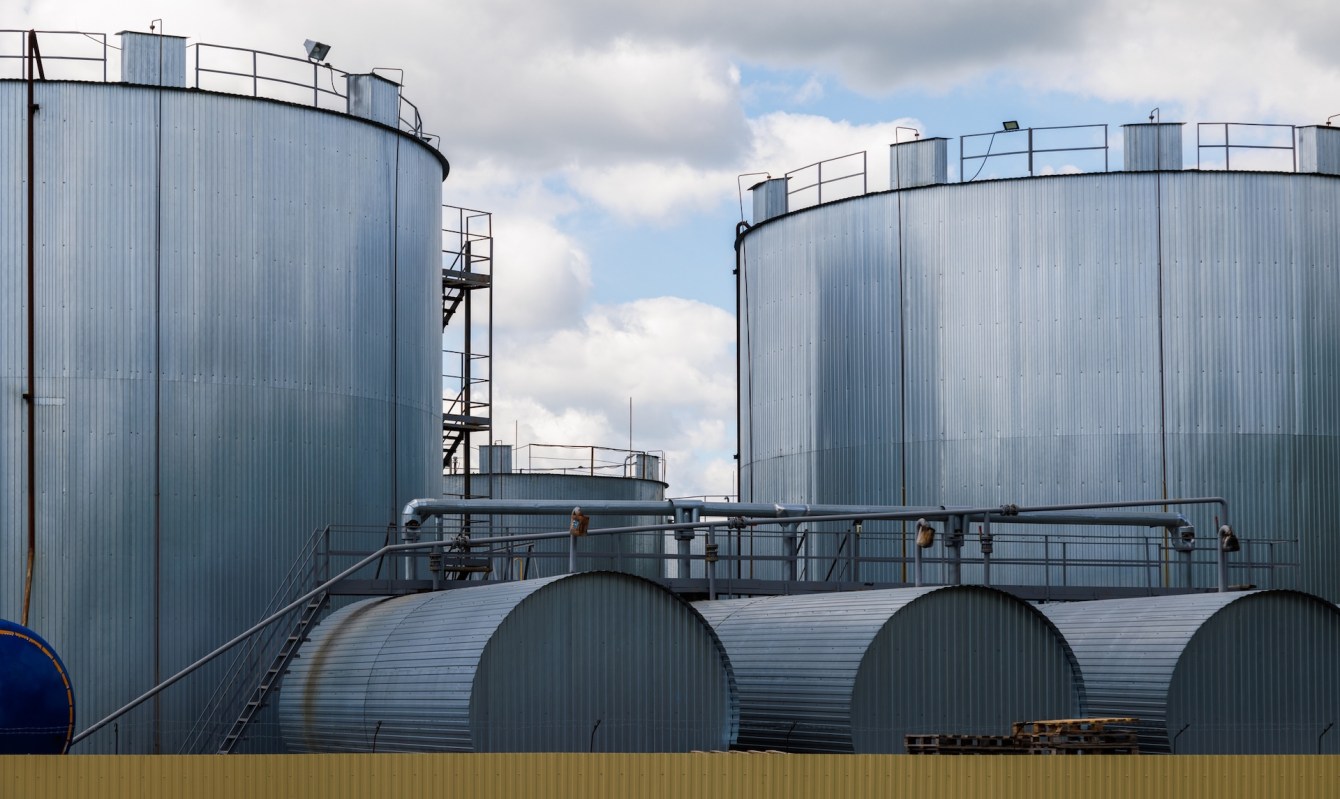
The emergency centered on a GKN Aerospace facility in Garden Grove, California, where Inside Climate News reported that a storage tank containing up to 7,000 gallons of methyl methacrylate — used to make plastics — overheated.
Officials feared the tank could explode and send toxic material into surrounding neighborhoods.
The evacuation lasted nearly a week and displaced tens of thousands of people, including Hernando Morales, who rushed his 1-year-old into the car and fled.
Residents sheltered in cars, tents, hotels, and emergency facilities while authorities worked to cool and stabilize the tank.
TCD Picks » Quince Spotlight
💡These best-sellers from Quince deliver affordable, sustainable luxury for all




Orange County health officials later said there had been no chemical leak and that air tests found no methyl methacrylate or other volatile organic compounds.
Still, some experts said the public has not been given enough detailed information to fully trust those assurances.
Andrew Whelton, a Purdue University engineering professor, told the outlet that relying heavily on photoionization detectors, or PIDs, can be problematic because the devices do not specifically identify contaminants and may miss important exposure details.
The disruption brought missed work, hotel bills, fear for children's health, and uncertainty about whether it was truly safe to return home.
The EPA has linked short-term methyl methacrylate exposure to irritation of the skin and eyes, as well as breathing and neurological symptoms.
Even though officials said no dangerous release was detected, some residents reported headaches and said they remain uneasy about possible lasting effects.
GKN Aerospace was fined $900,000 last year by the South Coast Air Quality Management District for multiple violations, including exceeding permitted chemical use, surpassing emissions limits, and poor recordkeeping. State and workplace safety agencies have also cited the company during past inspections.
Officials said the immediate danger has passed. EPA Region 9 said it deployed air monitoring equipment around the site and in nearby communities, while the South Coast Air Quality Management District used a mobile monitoring unit around the evacuation perimeter.
Residents and experts are still calling for more transparency. Whelton said communities need fuller test results, more detail on what technology was used, and clearer explanations of what was — and wasn't — detected before evacuation orders are lifted.
The company issued a public apology, with a senior vice president saying GKN was sorry for the "uncertainty and disruption."
The company declined to answer additional questions about its own monitoring.

Get TCD's free newsletters for easy tips, smart advice, and a chance to earn $5,000 toward home upgrades. To see more stories like this one, change your Google preferences here.






