


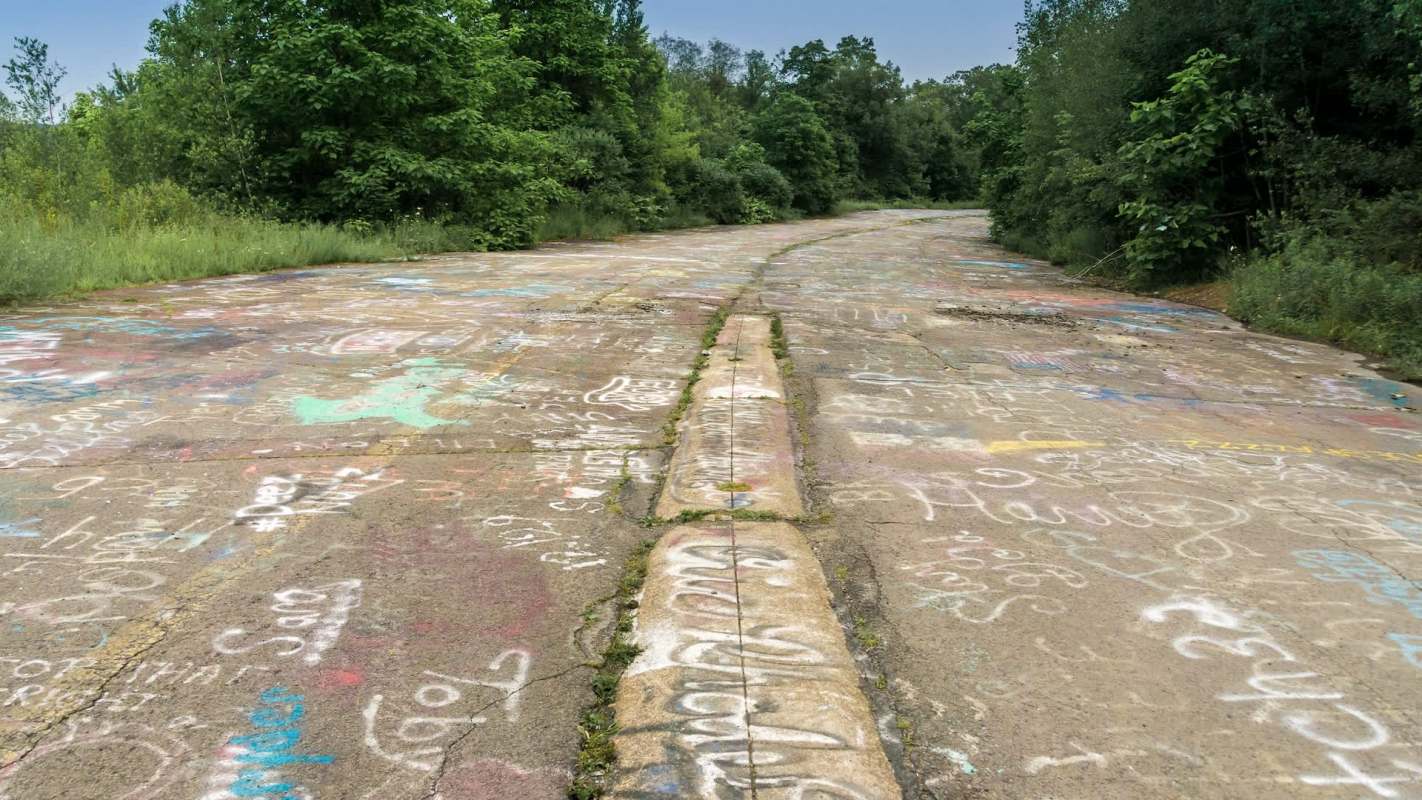
Only a few residents remain in Centralia, Pennsylvania, a borough that once had about 1,200 people and where an underground mine fire still burns beneath the streets.
The disaster has made Centralia one of the clearest examples in the United States of how long the damage from fossil fuels can endure, according to AS USA.
Here's what to know
The Centralia fire began in May 1962 and has never been extinguished.
The most widely accepted explanation is that a trash fire at a local dump spread into abandoned mine workings beneath the town that had not been sealed.
Coal jobs were already disappearing, so the fire intensified an economic decline that was underway.
Jon Guss, writing for the Pennsylvania Center for the Book in 2007, described it as "a sudden and dramatic disaster piled onto the advancing economic disaster throughout the region."
TCD Picks » Quince Spotlight
💡These best-sellers from Quince deliver affordable, sustainable luxury for all




The long-burning blaze made the area hazardous, causing sinkholes, toxic gases, and unstable ground.
Centralia lost its ZIP code in 2002, and by 2025 the U.S. Census counted just four residents after a lengthy legal battle allowed a small group to stay for the rest of their lives.
Smithsonian Magazine writer Kevin Krajik described the altered landscape this way: "Sulfurous steam billows out of hundreds of fissures and holes in the mud."
More background
The fire drew national attention in 1981 after 12-year-old Todd Dombowski nearly died when a sinkhole opened in his grandmother's yard.
"It was awful scary," Dombowski recalled, per a New York Times report. "I just grabbed some roots and hung there; the smoke was so thick I couldn't see anything."
Coal extraction can leave behind hazardous abandoned mines and polluted land, while coal- and natural gas-fired power plants contribute to air and water pollution linked to asthma, heart disease, cancer, and premature death.
These fuels can also keep home energy costs elevated when families remain dependent on volatile fuel markets rather than more abundant, lower-cost energy sources such as sunlight and wind.
Industry lobbying has also slowed the transition to cleaner, cheaper energy in many places, delaying solutions that could better protect communities and lower utility bills.
The fire is not believed to threaten other nearby towns, though it also forced the relocation of Byrnesville and Germantown.
Some estimates suggest it could continue burning for another 100 years, while others place the timeline closer to 250 years.
What's being done?
Congress approved a $42 million relocation effort for Centralia residents after the 1981 sinkhole incident.
Authorities later condemned and demolished many buildings, dramatically shrinking the town's footprint and reducing the number of people exposed to the danger.
Pennsylvania has also continued to explain the site through its Abandoned Mine Land Program. Still, the state has been direct in its position that a full solution remains financially out of reach.
"Most experts believe that with a very large and very expensive effort the Centralia Mine Fire could be excavated or otherwise extinguished," the Commonwealth said.
Instead, the practical response has focused on keeping people away from the most dangerous areas and preventing a public safety crisis.

Get TCD's free newsletters for easy tips, smart advice, and a chance to earn $5,000 toward home upgrades. To see more stories like this one, change your Google preferences here.







