


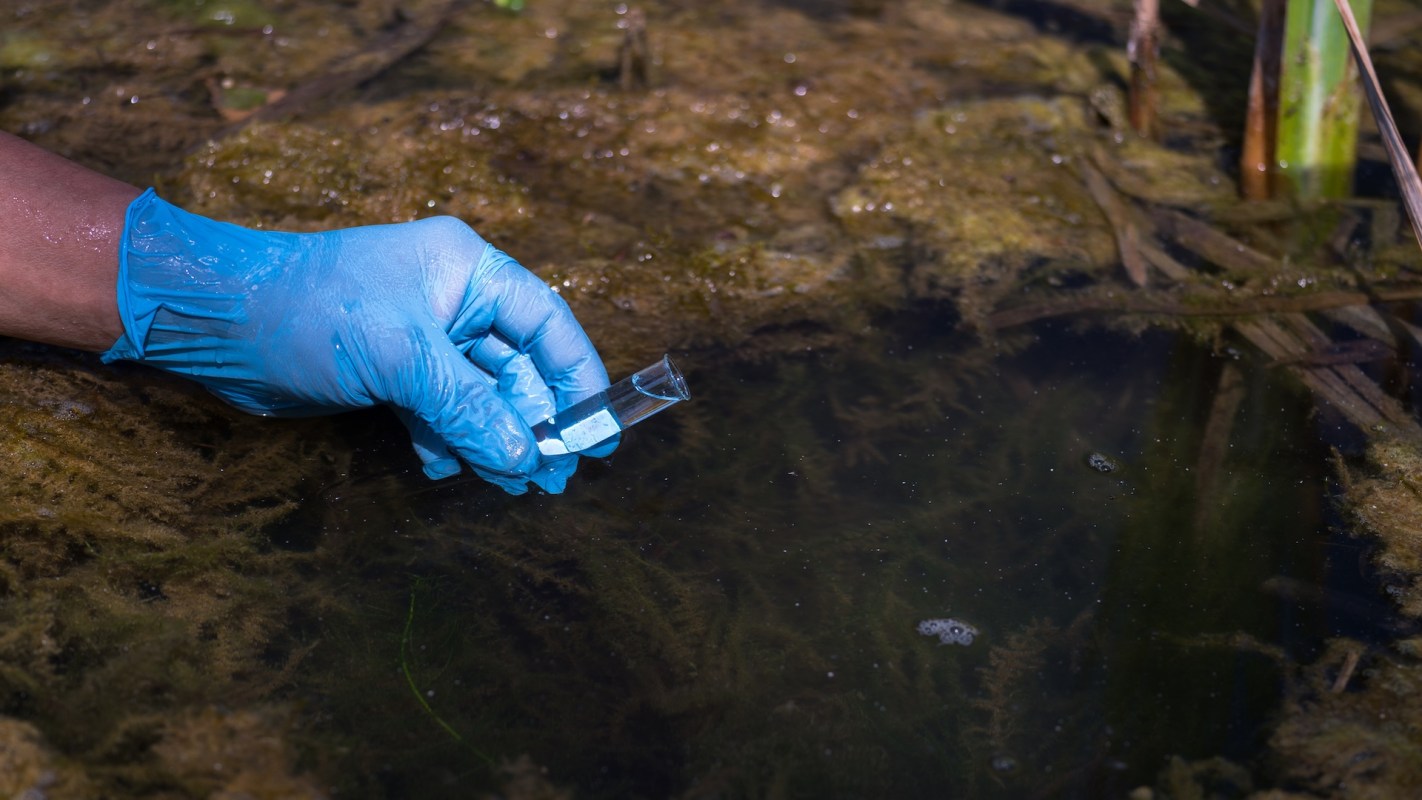
The Centers for Disease Control and Prevention acknowledged that a relatively novel COVID variant, BA.3.2, was detected in wastewater samples from more than two dozen states, according to the agency's Morbidity and Mortality Weekly Report.
What's happening?
The University of Minnesota's Center for Infectious Disease Research and Policy described the new COVID variant as "highly mutated" in a Monday brief.
Infectious disease surveillance takes time, and CIDRAP reported that BA.3.2 had been confirmed in 23 countries as of Feb. 11.
Additionally, the new COVID variant was detected in "nasal swabs collected from four U.S. travelers, clinical samples from five patients, three airplane wastewater samples, and 132 wastewater surveillance samples from 25 states," CIDRAP explained, citing the CDC.
The March 19 MMWR explained that BA.3.2 was first identified in November 2024 in South Africa.
Further analyses identified "the emergence of two BA.3.2 sublineages (BA.3.2.1 and BA.3.2.2), indicating ongoing viral evolution," the MMWR noted.
Why is this concerning?
Between last November and January, the new COVID variant accounted for 30% of detected infections in three European countries: Denmark, Germany, and the Netherlands, although overall rates of infection remained steady.
In the CDC's bulletin about BA.3.2, the agency disclosed that the first confirmed domestic case of the new COVID variant was detected June 27; the individual participated in the CDC's Traveler-Based Genomic Surveillance program.
The detection occurred at San Francisco International Airport, and the person who contracted the variant was returning from a trip to the Netherlands.
The variant exhibited between 70 and 75 changes in its spike protein compared with the older JN.1 variant, potentially undermining immunity to the strain conferred by prior COVID infections or vaccinations.
TCD Picks » Quince Spotlight
💡These best-sellers from Quince deliver affordable, sustainable luxury for all




|
Which of these savings plans for rooftop solar panels would be most appealing for you?
Click your choice to see results and earn rewards to spend on home upgrades. |
 Save $1,000 this year 💸
 That factor was of particular concern because 2025 and 2026 mRNA COVID vaccines were far more effective against the JN.1 variant "but had the lowest antibody neutralization against BA.3.2 in a laboratory study of seven variants," the CDC explained.
Moreover, in the "Discussion" section of the MMWR, the agency warned that the prevalence of the new COVID variant could be higher than previously believed due to gaps in surveillance and testing across countries.
"Numbers of reported detections have increased since September 2025; however, because many countries have limited genomic detection and surveillance capacities, these detections likely underrepresent the actual geographic extent of spread," the CDC wrote.
What's being done about it?
The CDC warned that the new COVID variant could "evade antibodies" and called for "robust surveillance" of BA.3.2.
At an individual level, wearing a high-filtration mask like a KN95 can reduce the risk of exposure and spread in public places.

Get TCD's free newsletters for easy tips to save more, waste less, and make smarter choices — and earn up to $5,000 toward clean upgrades in TCD's exclusive Rewards Club.
Cool Picks





