CATL, the world's biggest battery maker, is putting money behind a battery ingredient made from forestry waste — an idea that sounds futuristic but could end up shaping the next generation of electric vehicles.
If that bet pays off, it could make batteries cleaner, more affordable, and less vulnerable to supply chain shocks.
What's happening?
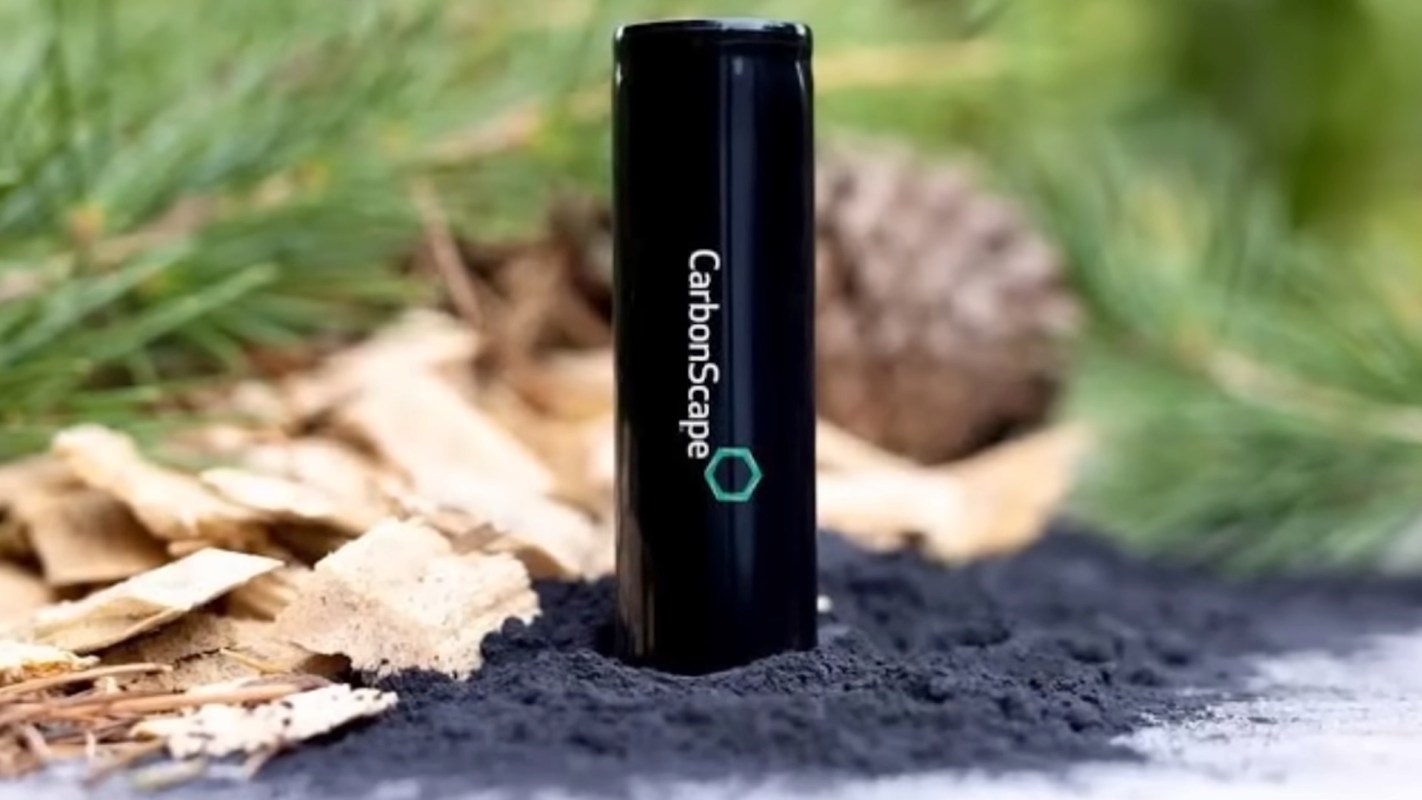
In a YouTube video by The Electric Viking (@electricviking), the creator focused on CATL's investment in CarbonScape, a New Zealand company producing high-purity biographite from sustainably sourced forestry by-products.
Graphite is a foundational material in lithium-ion battery anodes. Today, battery makers typically rely on mined or synthetic graphite, and synthetic production in particular can be energy-intensive.
The creator described the move as a potentially major shift in how battery materials are sourced. As the video's description stated, "CATL, the world's largest battery manufacturer, has invested in CarbonScape, a New Zealand company that turns sustainably sourced forestry by-products into high-purity biographite for battery anodes, an alternative to traditional synthetic graphite."
CATL's investment signals growing interest in turning waste streams into high-value battery materials at industrial scale.
TCD Picks » Good Store Spotlight
Get 10% off your next purchase with code TCD10


30Why does it matter?
If biographite can be produced reliably and at competitive prices, it could help reduce one of the hidden costs of electric vehicle manufacturing. A cleaner, less energy-hungry anode material would be welcome news for both automakers and buyers, especially if it helps stabilize battery prices.
Lower-cost battery materials can help make EVs more affordable to own, and they can also support stationary batteries used in homes, businesses, and local power systems.
Better battery economics can mean lower transportation costs, less maintenance, and stronger backup power options during storms or blackouts.
There's also a resource-efficiency angle. Using forestry by-products instead of letting them go to waste could help companies and regions get more value from existing materials without needing entirely new extraction systems.
The development fits into a broader push to make clean technology supply chains more resilient. The less dependent battery makers are on a narrow set of conventional inputs, the easier it may be to avoid delays, price spikes, and bottlenecks.
What's being done?
The biggest concrete step so far is CATL's investment itself. When the world's largest battery manufacturer backs a newer material pathway, it can help speed validation, manufacturing partnerships, and the kind of scale-up needed to make a technology commercially relevant.
CarbonScape's approach also points to a practical model other companies may follow: turning low-value waste into a high-demand industrial ingredient. That kind of circular strategy can help cities, forestry operators, and manufacturers reduce waste while building more local economic opportunity.
The benefits are not just environmental. If technologies like biographite succeed, they could help make EVs and backup batteries easier to buy, easier to scale, and easier to rely on when people need them most.
"Could the future of EV batteries literally be made from trees?" The Electric Viking asked. With CATL now backing CarbonScape, that idea suddenly looks a lot more plausible.

Get TCD's free newsletters for easy tips, smart advice, and a chance to earn $5,000 toward home upgrades. To see more stories like this one, change your Google preferences here.