


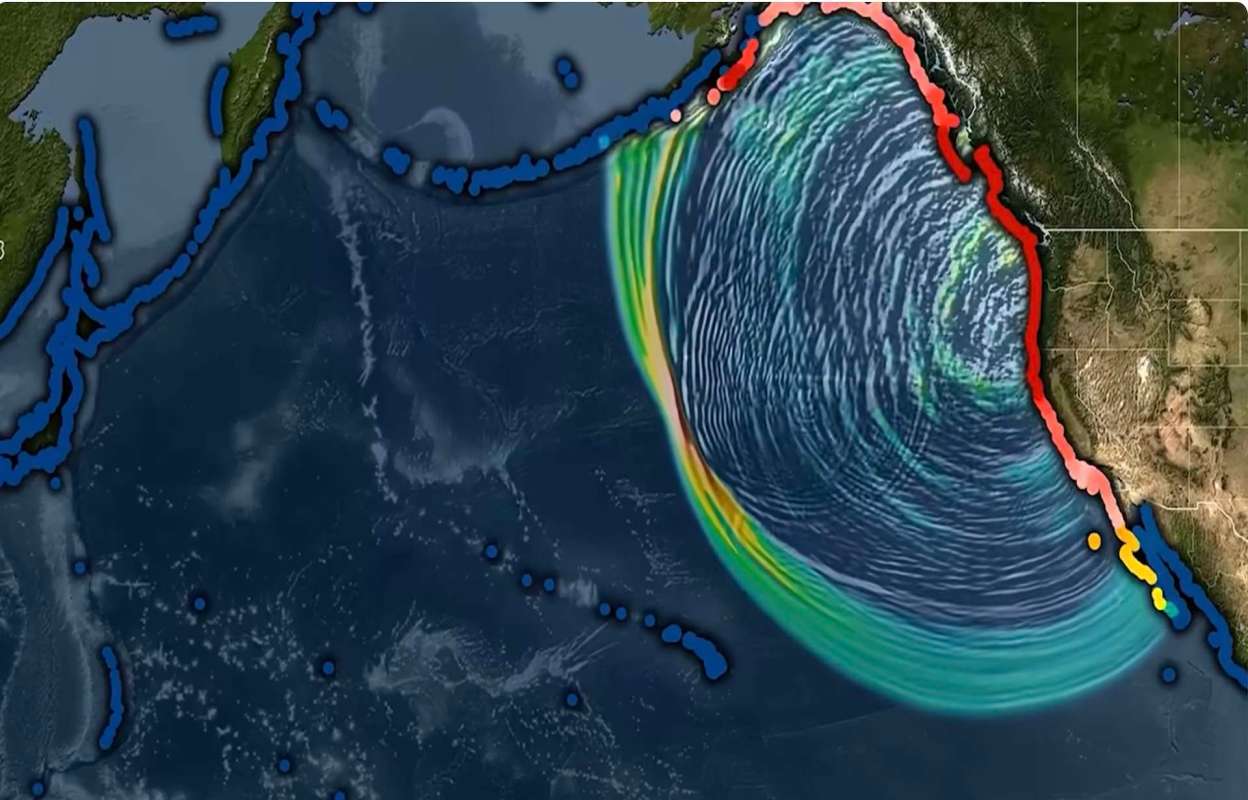
Off the Oregon coast, scientists estimate that a massive 9.0-magnitude earthquake will hit the Pacific Northwest at some point in the future. Although they cannot predict exactly when it will hit, research shows that the quake is long overdue.
Here's what to know
A video from the educational YouTube channel Astrum Earth explains that the quake will be caused by a shift in the Cascadia Subduction plate, which lies just off the coast of Oregon. The risk is not limited to severe ground shaking, because an offshore rupture could also displace the seafloor and drive tsunami waves toward communities already dealing with the quake.
The video explains that stress builds gradually over long periods in a subduction zone.
Scientists have examined this hazard for decades. In the video's description, Astrum Earth calls Oregon "a ticking time bomb."
More background
To show how one event can become several disasters at once, Astrum Earth compares Cascadia with the 2011 earthquake and tsunami in Japan. A similar offshore rupture here could damage homes across a wide area and force coastal residents and visitors to move to high ground as soon as the shaking starts.
According to the video, researchers cannot predict the day of the next rupture. They can assess long-term risk, but not predict the exact date.
TCD Picks » Quince Spotlight
💡These best-sellers from Quince deliver affordable, sustainable luxury for all




What can be done?
For communities where natural high ground is too distant to reach quickly, the video presents tsunami evacuation towers as a practical option. They cannot prevent an earthquake, but they can provide a vertical escape route when every minute matters.
Local governments can strengthen building codes, improve evacuation routes, expand warning systems, and rehearse response plans before disasters strike.
The most important focus for everyone is readiness: Know whether you are in a tsunami zone, map out a route to safety, keep emergency supplies at home and in the car, and talk with family about how to reconnect if phones and roads fail.
While preparation will not eliminate the danger, it can reduce the chaos that follows.
That uncertainty is part of what makes Cascadia one of North America's most consequential natural hazards.

Get TCD's free newsletters for easy tips, smart advice, and a chance to earn $5,000 toward home upgrades. To see more stories like this one, change your Google preferences here.






