


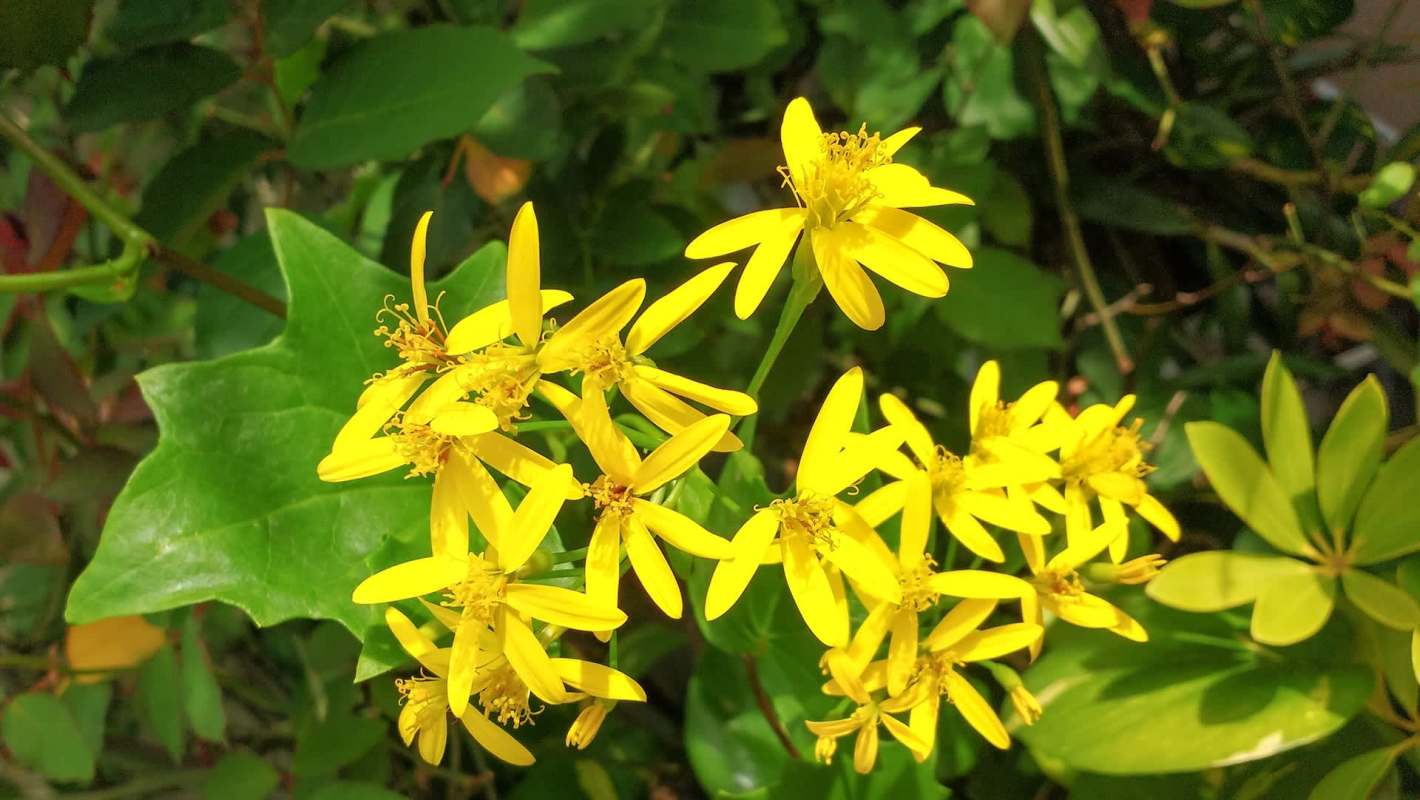
A tiny fly is offering California land managers a rare bit of good news in the long battle against Cape Ivy, an invasive vine that has swallowed more than 500,000 acres across the state and smothered native coastal habitat.
After years of slow progress, researchers say the insect is finally beginning to make a measurable dent in the plant's spread, the Santa Barbara Independent reported.
Cape Ivy was brought to California from South Africa in the late 1800s as an ornamental plant. It did not stay contained for long.
The fast-growing vine now spreads in dense mats that choke out native plants, degrade habitat, and create fire risks when it dries out in summer.
The plant has earned the nickname "Kudzu of the West" for good reason. It can add roughly a quarter-mile of growth in a year, and the vine's weight has reportedly brought down fences and telephone poles and even blocked train tracks.
Because large-scale removal with herbicides or heavy machinery is so expensive, scientists have spent years testing a more targeted solution. The Santa Barbara Green Guide says releases began in 2016 after about 10 years of U.S. Department of Agriculture study, with thousands of tiny Cape Ivy flies introduced at 22 coastal California locations.
TCD Picks » Quince Spotlight
💡These best-sellers from Quince deliver affordable, sustainable luxury for all




The female flies lay eggs in fresh vine tips, and the larvae trigger the plant to form galls that stunt its growth.
"The numbers are looking really promising," said Madeline A. Holroyd, a graduate student researcher with University of California, Santa Barbara's RIVRLab.
Invasive plants do more than crowd out wildflowers. They can destabilize entire ecosystems that people rely on.
Cape Ivy is especially common in shady creek corridors, though it can also thrive on coastal hillsides, making it a problem for both conservation areas and nearby communities. When native vegetation is smothered, birds, pollinators, and other animals lose food and shelter as well.
Researchers are already seeing signs of improvement in places such as Atascadero Creek and Toro Canyon Park near Santa Barbara, where counts topped 100 galls and reached as far as 3.5 miles from the original release sites.
In Big Sur, RIVRLab director Tom Dudley said one site has shown a "strong reduction" in Cape Ivy, along with what appears to be recovery of native coastal sage scrub.
Scientists have also improved how they release the flies over time. The Santa Barbara Green Guide says the first releases used cages stocked with comparable numbers of male and female flies. More recently, teams have set out greenhouse-grown Cape Ivy plants carrying galls to help establish fly populations more effectively in the field.
Holroyd also found that connected riparian corridors may accelerate insect dispersal and influence where future releases occur.
Holroyd is discussing another release in Ventura County where Cape Ivy has been climbing trees and disrupting monarch butterfly colonies.
One major advantage of biocontrol is that it does not require endless intervention once the insect population takes hold.
Holroyd said, "We could all lose interest and funding and the flies will still be there doing their thing."

Get TCD's free newsletters for easy tips, smart advice, and a chance to earn $5,000 toward home upgrades. To see more stories like this one, change your Google preferences here.






