


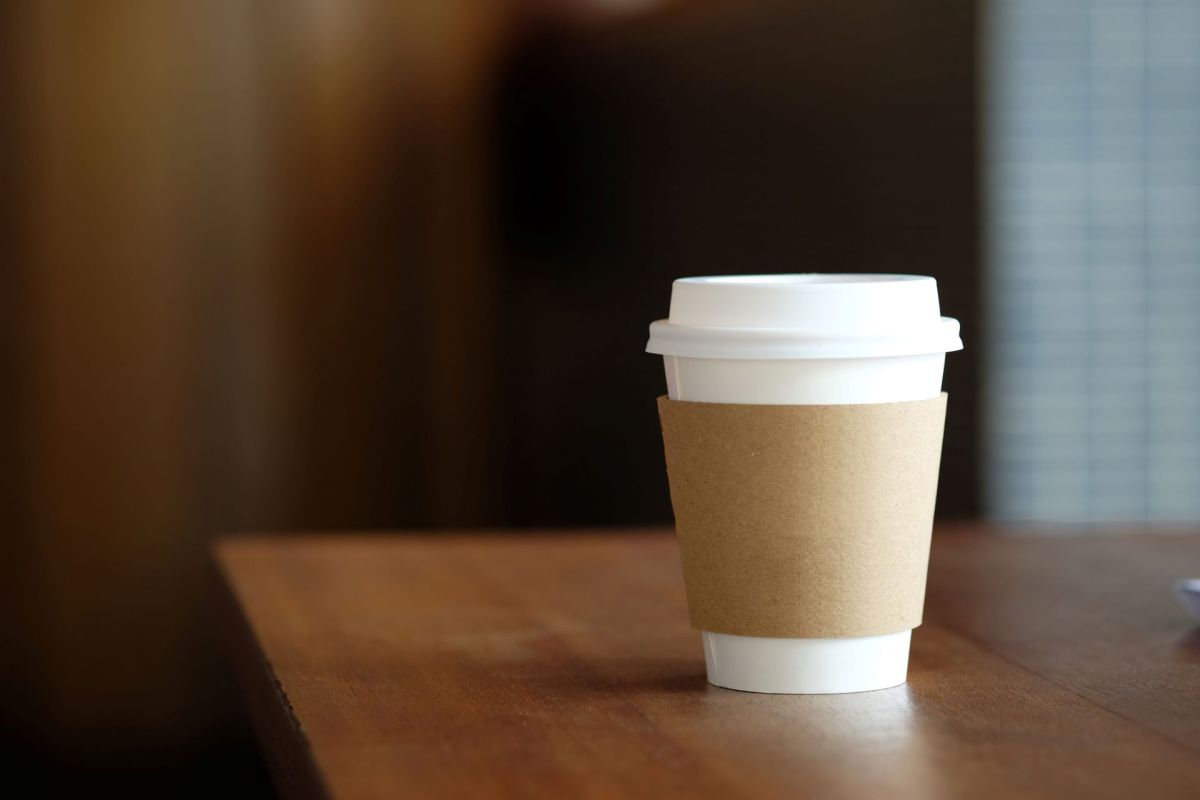
The waterproof lining inside a disposable coffee cup can release tiny plastic particles into a morning drink.
Chemists at Canada's University of Waterloo developed a plant-based coating to waterproof cups without conventional plastic. Their work followed tests showing that polyethylene-coated cups shed particles.
Here's what to know
The work, published in ACS Sustainable Chemistry & Engineering, describes a coating made from cellulose acetate and cellulose nanocrystals. The nanocrystals help strengthen the coating, according to Nautilus.
The team tested how well the coating held up under challenging conditions. It remained stable at 176 degrees Fahrenheit and tolerated potent alcohols, as well as acidic and alkaline substances.
"Learning how easily some plastic liners can shed particles was eye-opening," study author Shirley Tang said in a statement.
More background
By some estimates cited by Nautilus, people in the United States use about 136 million disposable paper coffee cups daily. These cups rely on a thin polyethylene lining to hold drinks without the paper becoming soggy.
TCD Picks » Quince Spotlight
💡These best-sellers from Quince deliver affordable, sustainable luxury for all




The cups may add to landfill waste because their paper-and-plastic construction complicates recycling.
The lining is also a potential exposure concern, since the microplastics it releases may enter the body.
What's being done?
The researchers designed their all-cellulose barrier to work with the surrounding paper. Per Nautilus, cups using the plant-based coating could be recycled together with their lining.
"The coating allowed us to use much thinner paper while still achieving the durability needed for beverage containers," study author Sayan Ganguly explained.
"That could reduce the amount of material required to manufacture cups while maintaining performance and lowering costs. These savings could ultimately be passed on to the consumer," he said.
Tang said the coating's potential extends beyond its initial application.
"The fact that we have created such a high-performance all-cellulose coating that doesn't rely on conventional plastics is what makes this work particularly exciting because there are so many possibilities."
Where can I learn more?
From tea bags to laundry pods, everyday packaging raises similar questions about plastic waste and exposure.
• Trackers couldn't confirm that any Starbucks cups were actually being recycled.
• In the U.K., 92% of surveyed consumers couldn't identify disposable cup charges.
• Scientists flagged 1,222 food-packaging chemicals for health risks, while many replacements remain untested.
• 'Premium' pyramid tea bags made from plastic mesh shed billions of particles.
• In Maine, a mother concerned about microplastics created dissolvable kelp film for laundry pods.

Get TCD's free newsletters for easy tips, smart advice, and a chance to earn $5,000 toward home upgrades. To see more stories like this one, change your Google preferences here.
Cool Picks






