


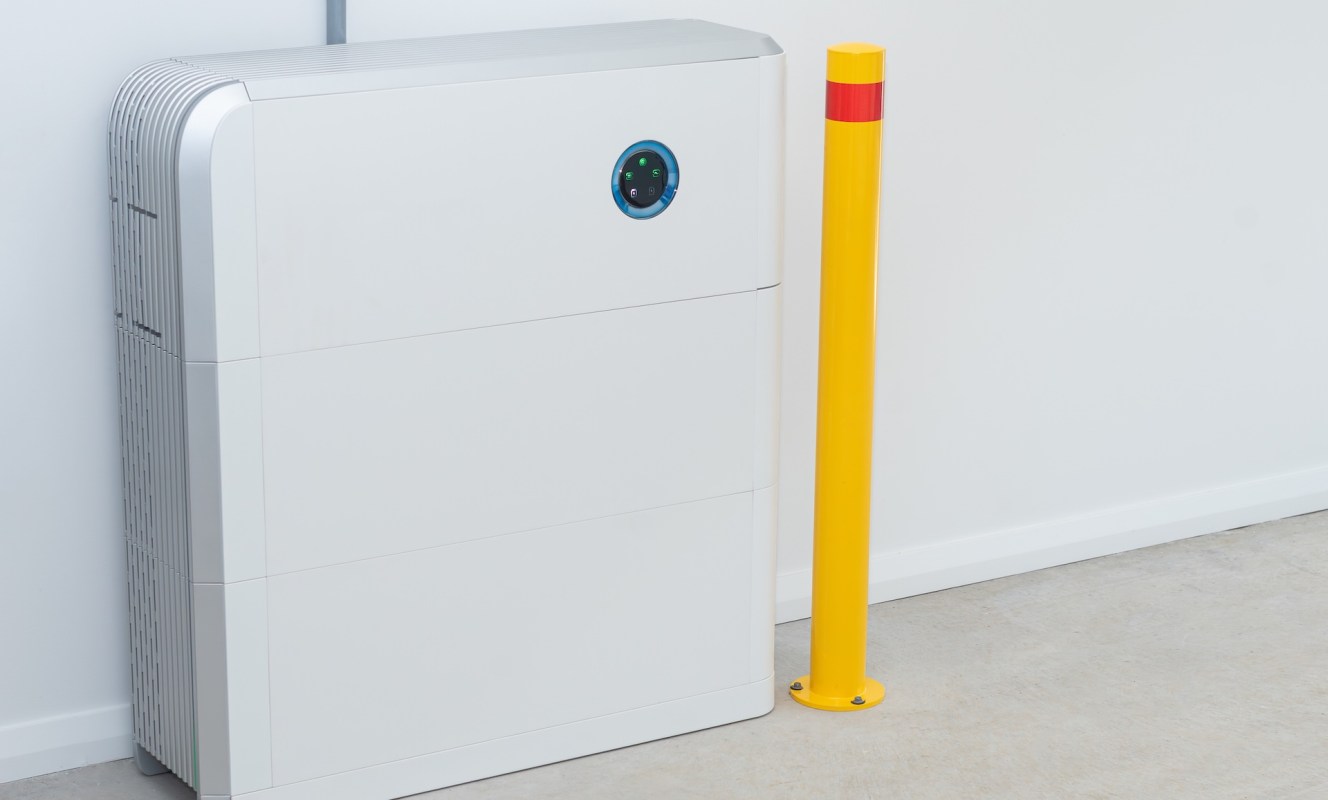
A proposed battery rebate in Riverside, California, would offer a financial incentive for homeowners that could lower the cost of buying and setting up the technology.
If approved by the City Council, the $5 million program would offer rebates of up to $17,000 for qualifying households, with additional support targeted to lower-income customers.
What happened?
According to the Raincross Gazette, Riverside's Board of Public Utilities unanimously backed the rebate plan, and the proposal will now go to the City Council for a final decision.
The funding would come from the utility's Public Benefits Cash Reserves, and the rebate would be the first initiative launched under the city's wider $34 million Public Benefits Fund spending plan.
The standard incentive would be calculated at $500 per kilowatt-hour of battery capacity, with a maximum rebate of $10,000 for each project.
To receive the incentive, customers in Riverside Public Utilities' Sharing Households Assist Riverside's Energy program, or SHARE, would need to be on an eligible residential time-of-use rate. That rebate would pay $850 per kilowatt-hour, up to $17,000, the Gazette reported.
TCD Picks » Quince Spotlight
💡These best-sellers from Quince deliver affordable, sustainable luxury for all




Customers with qualifying systems installed on or after July 1, 2026, could receive the rebate whether the battery is standalone or paired with new or existing rooftop solar.
Why does it matter?
Home batteries can provide backup power during outages and store electricity for use when power is more expensive, helping soften the impact of time-of-use rates.
Wider battery adoption can help utilities reduce demand during peak periods, avoid some infrastructure costs, and improve reliability when extreme heat or other disruptions put extra pressure on the system.
Over a 10-year period, staff estimated that each kilowatt-hour of battery storage would deliver roughly $465 in avoided energy and infrastructure costs, according to the Raincross Gazette.
Upfront battery costs can be a major barrier for lower-income households. A stronger incentive could make it possible for more families to add energy resilience at home instead of leaving the technology largely accessible to higher-income buyers.
The proposal also pairs with rooftop solar, giving households a way to keep more of the electricity they generate instead of sending it back to the grid right away.
What's being done?
If interest in the program is high, board members are worried the $5 million budget could be spent quickly. With the rebate capped at $10,000 per project, the current funding would cover about 500 participants, the Gazette reported.
Officials said outreach would be available in English and Spanish, while staff is also reviewing separate storage rebate programs for commercial and multifamily customers.
If approved, the plan could give Riverside residents a practical way to save money, add backup power, and make the local grid more resilient at the same time.

Get TCD's free newsletters for easy tips, smart advice, and a chance to earn $5,000 toward home upgrades. To see more stories like this one, change your Google preferences here.






