


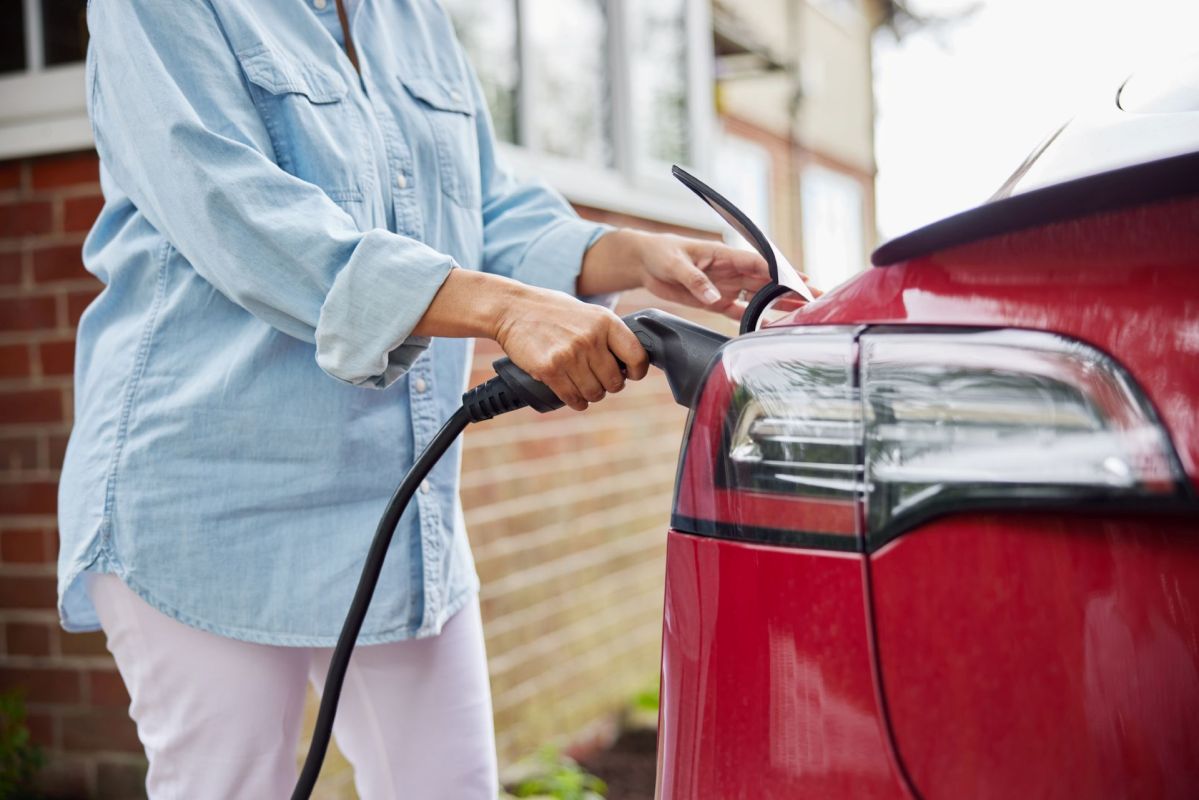
A new California energy report says electric vehicles and home battery systems already sitting in garages and driveways could become one of the state's biggest assets.
According to PV Magazine, researchers believe EVs and home battery systems could do far more to support the grid and reduce the need for expensive infrastructure spending.
Here's what to know
GridLab, Kevala, and E3 authored the report, Unlocking California's Flexible Load. It contends that the Golden State could better manage rising power bills by creating stronger programs for customer-owned energy devices, especially EVs and distributed batteries.
Using California Energy Commission projections, the authors said 9.7 million light-duty EVs could be on California roads by 2036, per PV Magazine. Taken together, those vehicles would amount to over 110 gigawatts of behind-the-meter capacity that could be tapped for grid support.
The report estimated that 30% of California's cumulative utility-scale storage procurement goal for 2036 could be covered if just 10% of those EVs were enrolled in vehicle-to-grid programs and operated in a way similar to utility-scale storage.
"The next generation of grid infrastructure is already sitting in our driveways, homes, and businesses," GridLab Executive Director Ric O'Connell said in a news release. "The question isn't whether California has the resources — it's whether our programs are designed to unlock their full value."
TCD Picks » Quince Spotlight
💡These best-sellers from Quince deliver affordable, sustainable luxury for all




In other words, California may not need to depend on large centralized energy projects. Some of the state's most useful power resources could be distributed across customer properties.
More background
The state's problem has two sides. Electricity bills are rising while the power system relies more heavily on renewable generation that changes over the course of a day. Storage can help smooth that mismatch.
The report said the move is more realistic now than it once was because advanced metering is already widely in place and flexible energy devices can respond automatically. In practice, that means customers may be able to participate without changing daily habits or manually managing their energy use.
That could create more opportunities for people to earn value from EVs parked at home. The authors also said California's distributed energy efforts have been undermined by program design, per PV Magazine.
The report noted previous attempts rewarded sign-ups instead of performance, forced customers to operate under rules designed for wholesale generators, and stacked new programs on top of old ones without fixing problems.
What's being done?
PV Magazine said the researchers recommend limiting the state to a small set of standardized programs built around verified performance. In their view, customers should be paid for measurable grid services, not simply for enrolling.
In the report's proposed model, those payments would be based on "avoided costs," meaning expenses utilities can sidestep by relying on customer-owned EVs and batteries instead of more costly alternatives to build or run. If done well, that approach could slow future electricity rate increases.
The report also stated these efforts should move forward alongside retail rate reform.
The researchers acknowledged that a strict avoided-cost approach could narrow participation, but they argued that keeping electricity affordable has to come first, according to PV Magazine.
"This report provides a roadmap to modernize demand flexibility so customers, utilities, and the grid all benefit," O'Connell said in the release.

Get TCD's free newsletters for easy tips, smart advice, and a chance to earn $5,000 toward home upgrades. To see more stories like this one, change your Google preferences here.






