


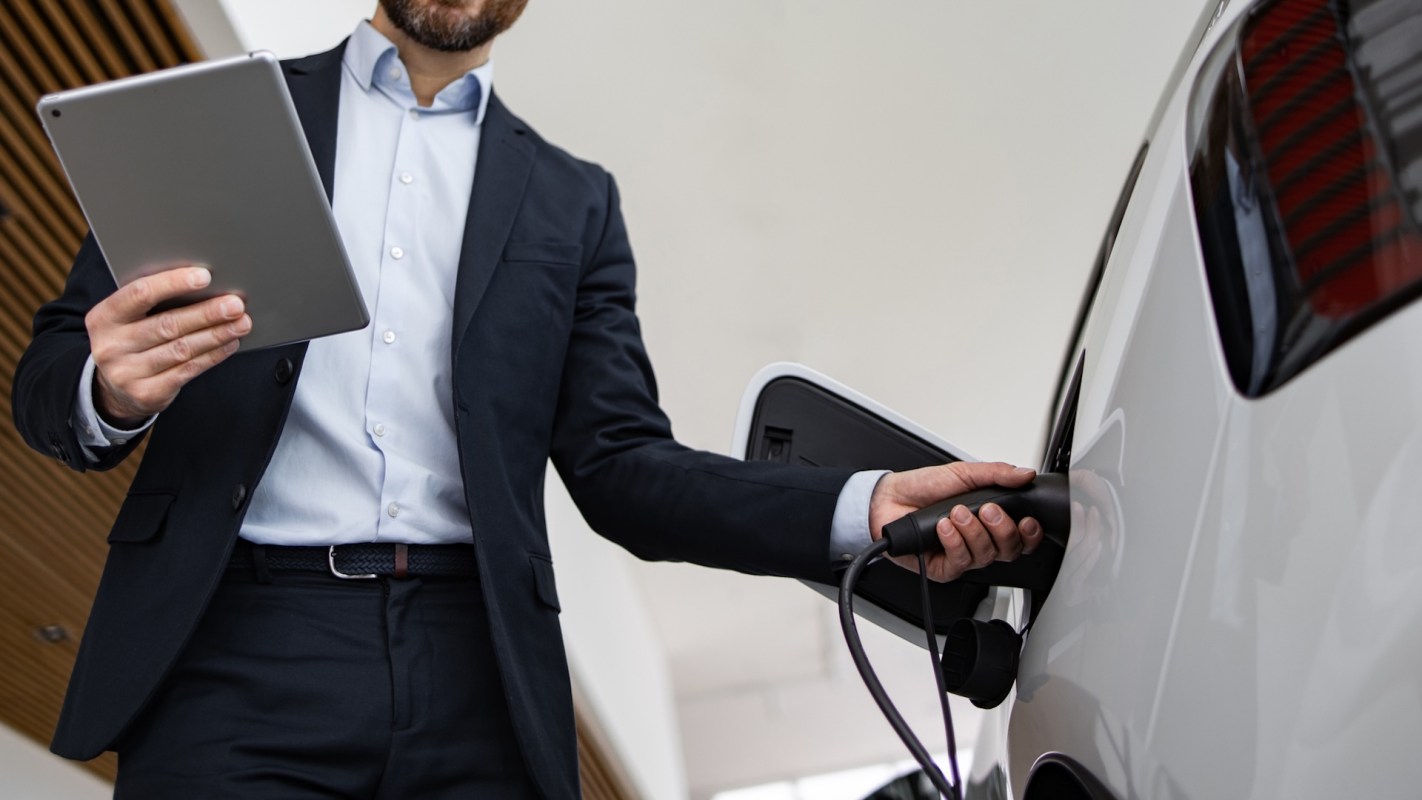
California is moving to soften the blow of the loss of a major federal electric-vehicle incentive.
A new state program signed by Gov. Gavin Newsom will offer up to $3,500 to eligible first-time EV buyers, giving Californians a way to lower the cost of switching from gas-powered cars to electric as EV sales growth starts to decline nationwide.
What's happening?
Through a new rebate program called MyFirstEV Zero Emissions Vehicles, California will lower the upfront cost for people making their first EV purchase. Buyers can now get $3,500 off a new EV priced below $50,000 or $1,750 off a used EV priced below $25,000.
The state's action comes after the federal clean vehicle tax credit was eliminated last September. According to Ars Technica, the loss of that incentive led to a noticeable drop in EV adoption across the U.S. Before the repeal, qualifying buyers could receive up to $7,500 through the IRS Section 30D credit if they met the income and vehicle price requirements.
The cost of funding the program is split equally between the state and the auto industry. California's new budget reportedly includes $135.5 million for the rebate, and participating automakers are expected to match that cost.
There is also a carve-out for California-based automakers. Ars Technica reported that Rivian and Lucid are exempt from the new vehicle price cap, while Tesla is not, meaning only new Tesla models priced under $50,000 would qualify. The state has not yet released a list of participating manufacturers.
TCD Picks » Quince Spotlight
💡These best-sellers from Quince deliver affordable, sustainable luxury for all




Why does it matter?
For many households, the biggest barrier to buying an EV remains the upfront cost. Federal incentives had helped narrow that gap, so their disappearance has made it harder for drivers to move away from gas-powered vehicles, even if doing so could save them money later on fuel and maintenance.
Beyond the upfront cost, EVs can save some individuals money in the long run. One analysis found that EVs could save $8,000 in fueling costs over five years.
Slower EV adoption across the country can have detrimental effects on the environment — more tailpipe pollution, continued reliance on oil, and a steeper climb toward cleaner air — especially in a state that has spent years promoting cleaner transportation.
California's rebate also signals that some states are trying to keep clean-car momentum going even as national policy shifts in the opposite direction. It could help sustain demand for EVs at a time when automakers are rethinking product plans, and consumers may be reluctant to buy.
What's being done?
The discount is applied immediately, rather than requiring buyers to wait until tax season. By offering the rebate at the point of purchase, California aims to remove one of the most frustrating parts of many incentive programs — the need to pay the full cost upfront.
A $1,750 rebate on a vehicle under $25,000 may help open the door for drivers who do not have the budget for a brand-new car but still want the lower operating costs EVs offer.
The final list of participating automakers, along with the program's first-time-buyer requirement and price caps, will determine which vehicles qualify.
Newsom described the new program in stark terms, accusing President Donald Trump of "doing everything in his power to pollute our air and surrender the clean car industry to China on a silver platter," per Ars Technica. He said California is "putting its foot on the accelerator" and "making it easier for families to drive clean, breathe clean, and keep more money in their pockets."

Get TCD's free newsletters for easy tips, smart advice, and a chance to earn $5,000 toward home upgrades. To see more stories like this one, change your Google preferences here.






