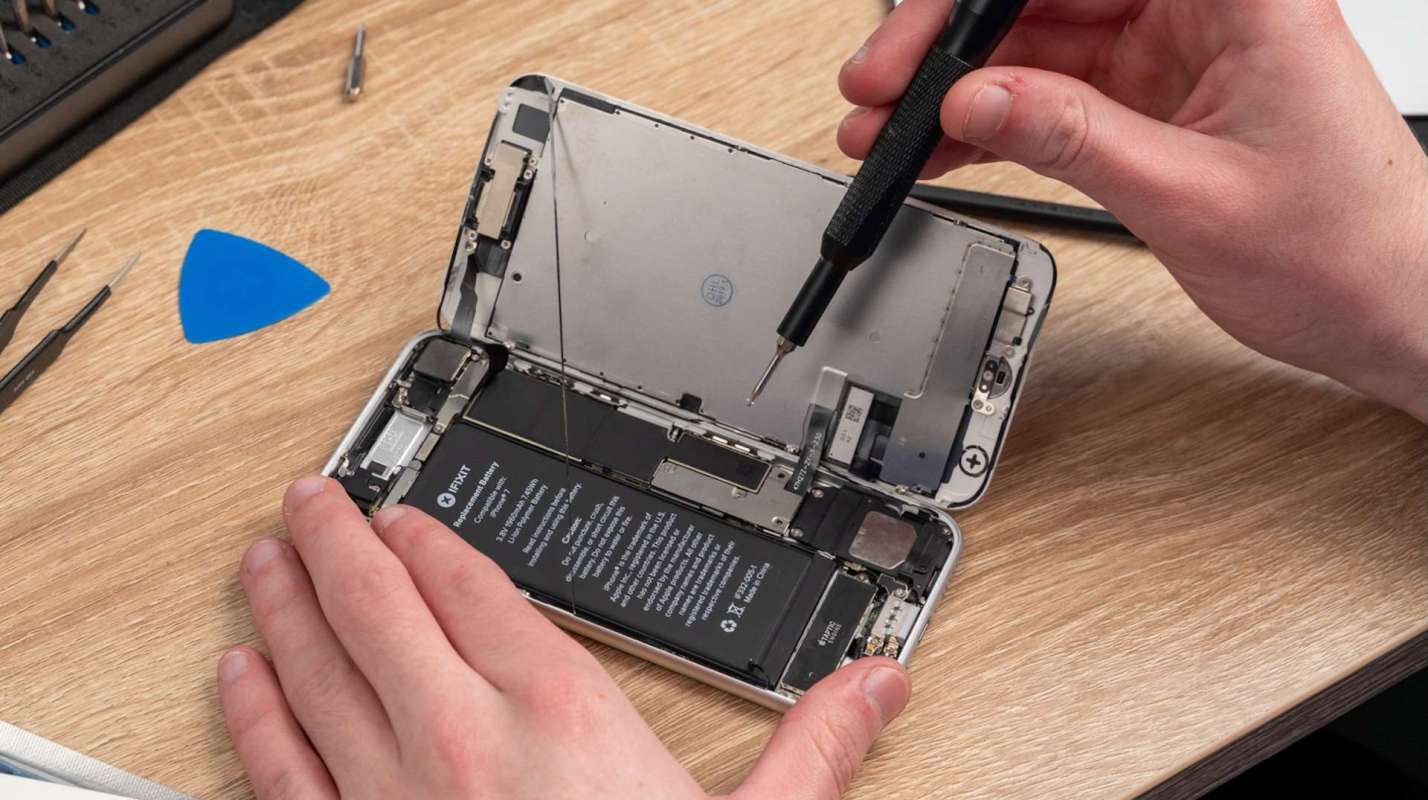
An appeals panel in California has reopened a lawsuit that challenges Apple's iPhone repair practices as unfairly driving up what customers pay.
The decision revives a 2022 suit by two consumers who say Apple's repair rules steered them away from independent shops and into inflated repair costs through Apple.
Here's what to know
According to Courthouse News, Jesse Granato and Janice Zarad said that after cracking their iPhone screens in 2021, they paid Apple for repairs because an employee told them going to another repair provider would void their warranty.
Their lawsuit says Apple made outside repair options harder and costlier by restricting access to parts, tools, manuals, and software.
Although a lower court had thrown out the unfair competition claim, a unanimous three-judge panel of California's Sixth Appellate District said the case should continue. Acting presiding Associate Justice Cynthia Lie wrote that the plaintiffs had laid out enough facts for the claim to go forward.
"As pleaded, Apple's practices substantially injure consumers by allowing Apple to exact inflated payments for repairs or to increase demand for new products by incentivizing replacement over repair," Lie wrote.
TCD Picks » Quince Spotlight
💡These best-sellers from Quince deliver affordable, sustainable luxury for all




The court has not determined that Apple is liable. The ruling is intended to allow the plaintiffs' main theory to be heard in the superior court rather than dismissed at the outset.
More background
The suit also invokes California's 2024 Right to Repair Act, which requires electronics and appliance companies to make parts, tools, and documentation available to owners and independent repair shops. However, because that law took effect after the lawsuit was filed, the court said it did not, by itself, make Apple's earlier conduct unlawful.
Lie said the law still helps illustrate why the reported conduct could qualify as unfair. "The later establishment of a statutory right persuades us that conduct that would infringe that later-codified right was unfair even at the time," she wrote.
The court also said Apple's alleged practices could have consequences beyond a single repair bill. When repairs are artificially made costly, consumers may be pushed to replace devices rather than fix them, straining household budgets and creating more unnecessary electronic waste.
What's being done?
The case now goes back to the lower court, where the plaintiffs will have another opportunity to pursue their unfair competition claim.
The appeals panel did not accept every piece of the lawsuit. It said the consumers had not sufficiently pleaded a claim under the federal Magnuson-Moss Warranty Act, while still observing that Apple's alleged repair policies conflicted with the spirit of that law's consumer protections.
California's Right to Repair Act is also part of a broader shift toward making repairs more accessible. Laws like it are meant to give owners and independent shops the tools and information they need to repair products without being forced to go through a manufacturer's preferred channel.
"Consumers needing out-of-warranty repairs have no means of avoiding market wide pricing dynamics," Lie wrote. "At the pleading stage, plaintiffs' allegations suffice."

Get TCD's free newsletters for easy tips, smart advice, and a chance to earn $5,000 toward home upgrades. To see more stories like this one, change your Google preferences here.