


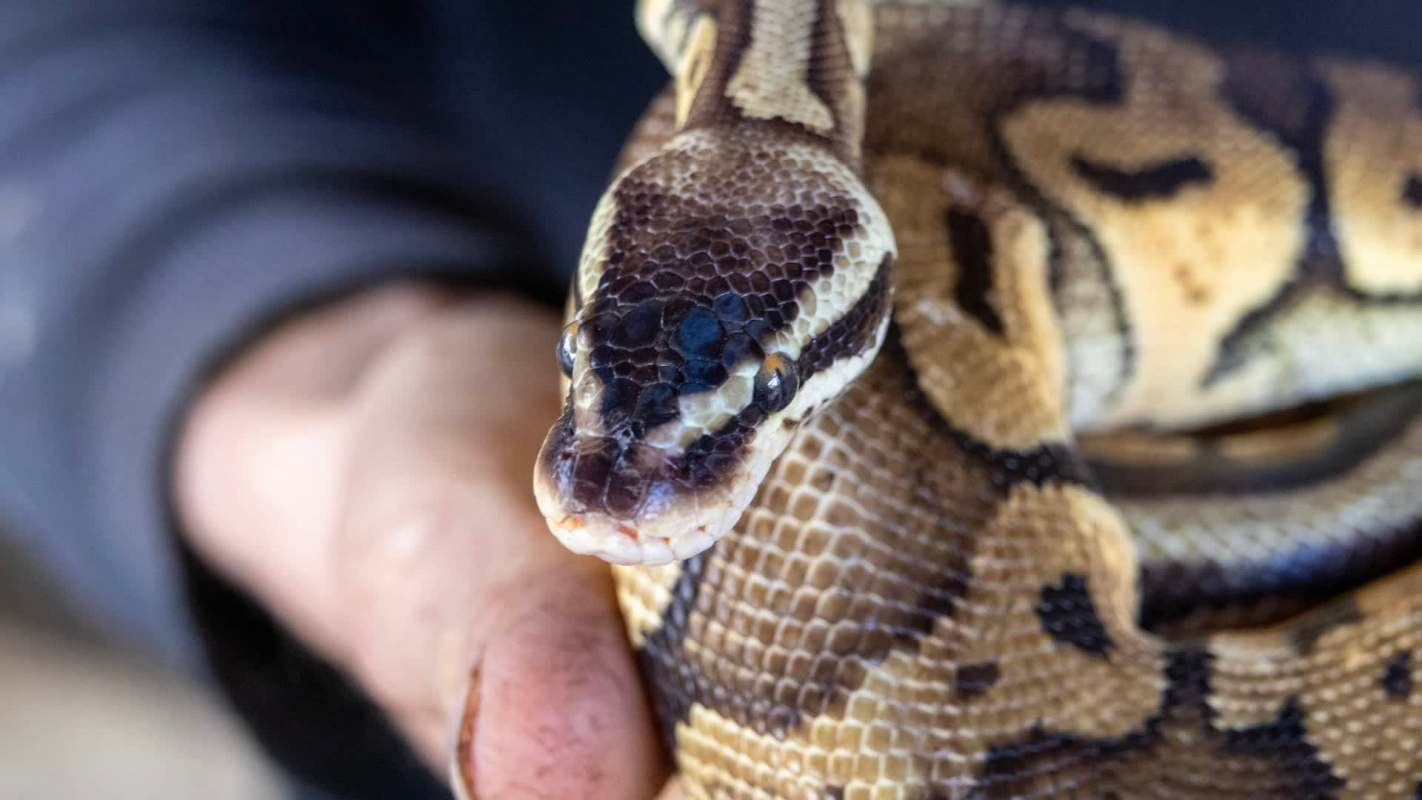
Florida biologists are turning one of the Burmese python's greatest strengths into a weakness.
By exploiting the snakes' mating behavior, a team in southwest Florida removed a record 8,080 pounds of invasive pythons in just six months.
The effort points to a simple but effective idea: use the snakes' instincts against them to stop the next generation before the population grows further.
What's happening?
According to the Orlando Sentinel, wildlife experts in Florida are using a unique method to capture invasive pythons. The outlet explained that conservation biologists are implanting male snakes with radio implants to track them as they seek large, fertile female snakes.
Male Burmese pythons begin searching for females during breeding season. The Orlando Sentinel reported that when researchers track those males, they can be led to large reproductive females, which can carry up to 100 egg follicles.
That approach is especially valuable in Florida, where pythons are notoriously hard to spot in marshes, brush, and mangroves. Instead of waiting to come across them by chance, biologists are using predictable snake behavior to help remove them.
TCD Picks » Quince Spotlight
💡These best-sellers from Quince deliver affordable, sustainable luxury for all




A single mature female can produce dozens of hatchlings, so taking out one breeding snake can have a disproportionate impact on future population growth.
Why does it matter?
Burmese pythons are not native to Florida, and they have become one of the state's most destructive invasive predators.
They prey on birds, mammals, and reptiles, putting heavy pressure on native wildlife already coping with habitat loss and other environmental stressors.
When those native species decline, the effects do not stop there. Healthy wetlands that are built on those animals support tourism, recreation, and broader ecological systems that South Florida communities rely on, including habitats that help buffer storms and support fisheries.
Python removal helps protect the ecological balance of the Everglades and surrounding ecosystems, which play a major role in Florida's economy and overall quality of life.
What's being done?
The breakthrough is largely strategic.
Rather than relying only on accidental sightings, biologists are timing their efforts around the breeding cycle and using radio-tracked males to guide them to the females most responsible for expanding the population.
This year, the biologists were able to catch 177 snakes from the wild. They removed over 3,500 developing eggs from the ecosystem.
Efforts like these are unlikely to eliminate invasive species overnight, but they can reduce damage, protect native wildlife, and give ecosystems a better chance to recover.

Get TCD's free newsletters for easy tips, smart advice, and a chance to earn $5,000 toward home upgrades. To see more stories like this one, change your Google preferences here.






