


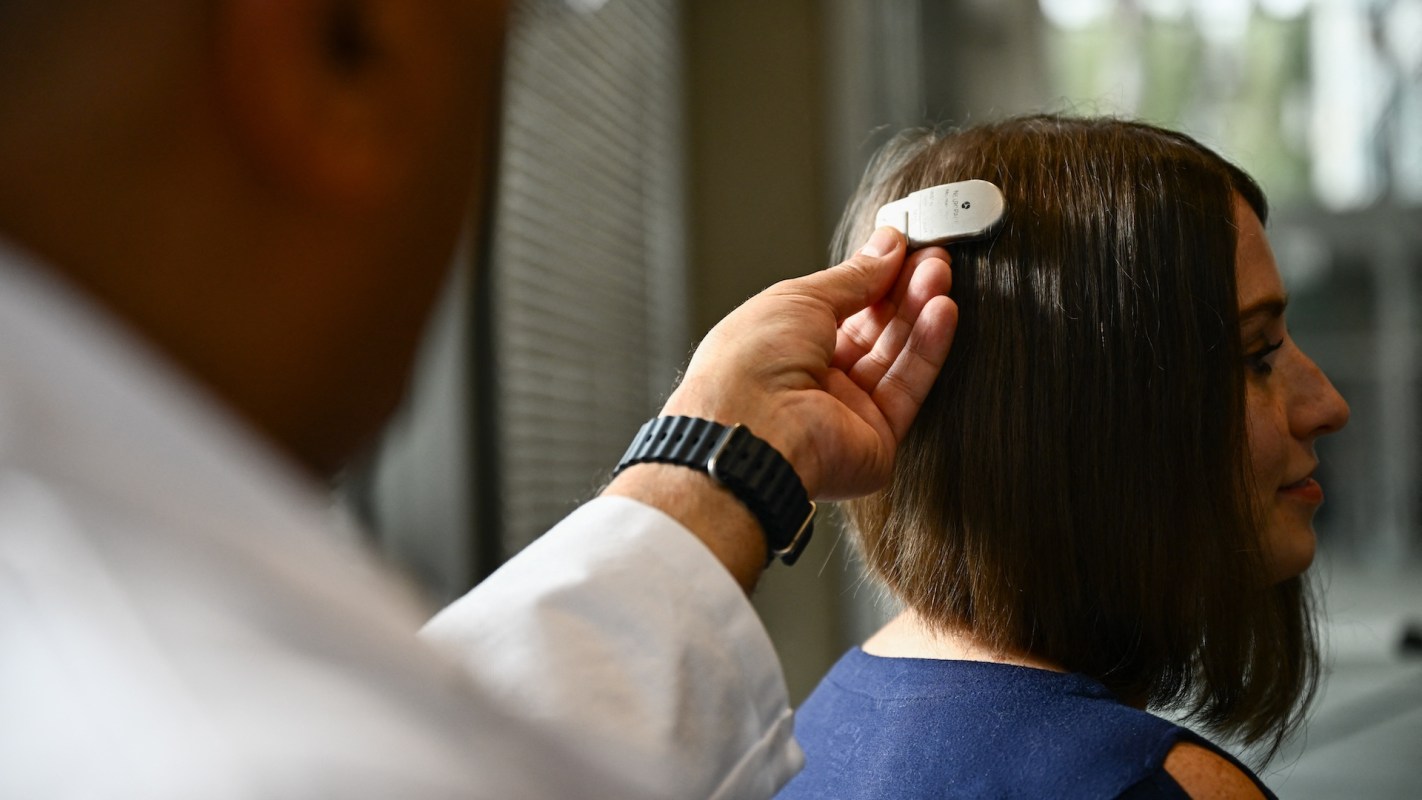
Brain-computer interfaces may sound like something out of science fiction, but they are already helping some people reclaim parts of everyday life, from communicating more easily to moving a cursor or steering a wheelchair.
Researchers say that the promise is real, according to The Conversation. But they also warn that the same implants designed to restore independence could bring serious new risks, including hacking, medical complications, and high costs.
What's happening?
A brain-computer interface, or BCI, captures electrical signals from the brain and converts them into commands that a computer can process in real time. In practice, that can let someone move a cursor, control a device, or even have written text spoken aloud.
There are two main types of BCIs. Non-invasive systems stay outside the body, often using EEG headsets to measure brain activity. Invasive systems are implanted surgically on the brain's surface and are being developed to help restore abilities such as speech and movement after events like a stroke or spinal cord injury.
That implanted category is attracting the most attention from both researchers and investors. Companies such as Blackrock Neurotech, Australian-owned Synchron, and Elon Musk's Neuralink are all developing brain implants; as The Conversation noted, current regulations mean only a few clinical trial participants worldwide can use them. Even so, the global BCI market could grow from just under $3 billion today to around $14 billion by 2033.
Why does it matter?
For millions of families, this technology could make daily life much more manageable. More than 3 billion people worldwide live with neurological issues that can affect movement, communication, or sensory function, including epilepsy, Parkinson's disease, stroke, cerebral palsy, and traumatic brain injury.
TCD Picks » Quince Spotlight
💡These best-sellers from Quince deliver affordable, sustainable luxury for all




One of the most promising areas is communication. A 2023 study cited by The Conversation found that paralyzed patients using a BCI could communicate at up to 78 words per minute, up from 15 words per minute in 2021. Advances like that could help people hold conversations, work, and stay connected with loved ones more independently.
BCIs are also being used in operating rooms to map brain activity during delicate procedures, helping surgeons avoid damaging critical regions. Researchers are also studying their potential in sleep disorders and rehabilitation, which could eventually improve diagnoses and treatment plans.
Still, scientists say the concerns are significant. Implants can lead to bleeding, infection, inflammation, and scar tissue over time. Another recent study raised the possibility that hackers could gain access to private neural data or disrupt thinking and movement.
Cost is another major barrier, per The Conversation: Implants are priced at roughly $50,000 to $140,000 before ongoing care, making them unaffordable for most people.
What's being done?
Much of the progress so far is happening in tightly controlled clinical trials, where researchers are testing whether BCIs can safely improve speech, movement, and communication. Non-invasive systems are already more widely available, while implanted devices remain heavily restricted.
Researchers and policymakers are also beginning to grapple with privacy and security concerns. Some U.S. jurisdictions are trying to protect neural data in law, though major regulatory gaps remain if these devices become more common in health care.
For patients and families, one of the most useful steps is to stay informed and ask careful questions. That includes understanding whether a device is invasive or non-invasive, what kind of long-term follow-up care it requires, how personal brain data is stored, and whether the technology is being used in a regulated clinical trial.
Scientists say, as the source article argued, far more independent research is still needed on the long-term physical and psychological effects of permanent implants. Public funding, not just private investment, could help ensure the technology develops in a way that is safer and more accessible.
Brain-computer interfaces may eventually help more people speak, move, and live with greater independence. But as the field advances, researchers say that promise will need to be matched by strong safeguards, affordable access, and much better evidence about the long-term effects.

Get TCD's free newsletters for easy tips, smart advice, and a chance to earn $5,000 toward home upgrades. To see more stories like this one, change your Google preferences here.






