


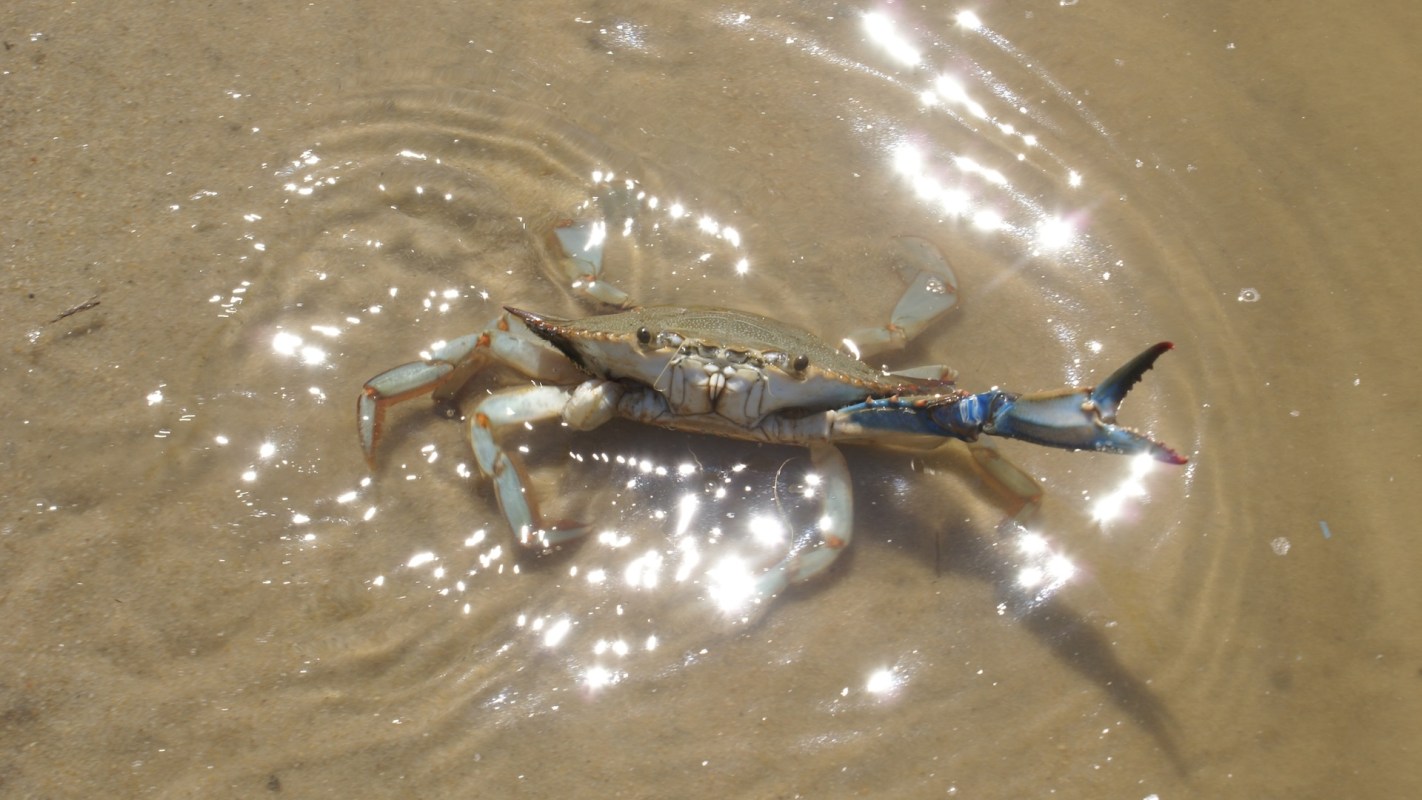
For years, the story of blue crabs in the Chesapeake Bay has been defined by uncertainty, decline, and a nagging question scientists still cannot fully answer.
But there may be a rare piece of encouraging news as baby blue crabs suddenly rebound, according to Smithsonian Magazine.
After years of steep decline, the bay's juvenile blue crab population jumped 121% in the latest winter survey, offering a bright spot for an animal that supports local ecosystems, seafood traditions, and coastal jobs.
A new winter dredge survey estimated about 349 million blue crabs in the Chesapeake Bay, up 46% from last year. Juvenile crabs accounted for much of that increase, rising to about 228 million, the highest estimate since 2019.
"It's very encouraging to see higher levels of blue crabs and juveniles, especially after a few years of lower juvenile recruitment," Mandy Bromilow said in a statement. "However, we'll still have to remain vigilant about the population, given that we have seen declines since 2011."
A recent draft assessment found that juvenile blue crab numbers fell by half from 2010 to 2023, suggesting many young crabs have not been surviving long enough to reach reproductive age.
TCD Picks » Quince Spotlight
💡These best-sellers from Quince deliver affordable, sustainable luxury for all




Scientists say the reason remains unclear.
"There's no smoking gun," fisheries scientist Rom Lipcius told the Bay Journal.
Researchers have looked at several possible drivers behind the downturn, including invasive blue catfish, low-oxygen zones linked to nutrient pollution, and cannibalism by adult crabs. So far, though, none fully explains the decline.
There was another warning sign in the latest data as adult female crabs dropped to their lowest level since 2014, leaving them close to the minimum threshold needed to sustain the fishery.
Blue crabs are far more than a regional delicacy. They are a cornerstone species in the Chesapeake Bay and a major part of the economy for watermen, seafood businesses, and communities across Maryland and Virginia.
When young crabs struggle, the effects can ripple outward. Fewer crabs reaching adulthood can mean more pressure on the fishery, less stability for local businesses, and more uncertainty in the bay's food web.
Maryland and Virginia have already taken steps to protect the species. After years of overharvesting, agencies tightened crab harvest rules and cut female harvest by 34%, helping the population recover from the worst lows seen between the mid-1990s and 2007.
Researchers are also working to improve how they track the species. The new draft assessment paired the winter dredge survey with other long-term data and used a finer-scale population model that tracks crab numbers month by month instead of year by year. NOAA is also leading a three-year study into whether shifting weather patterns and changing currents are affecting how baby crabs move through the bay.

Get TCD's free newsletters for easy tips, smart advice, and a chance to earn $5,000 toward home upgrades. To see more stories like this one, change your Google preferences here.






