


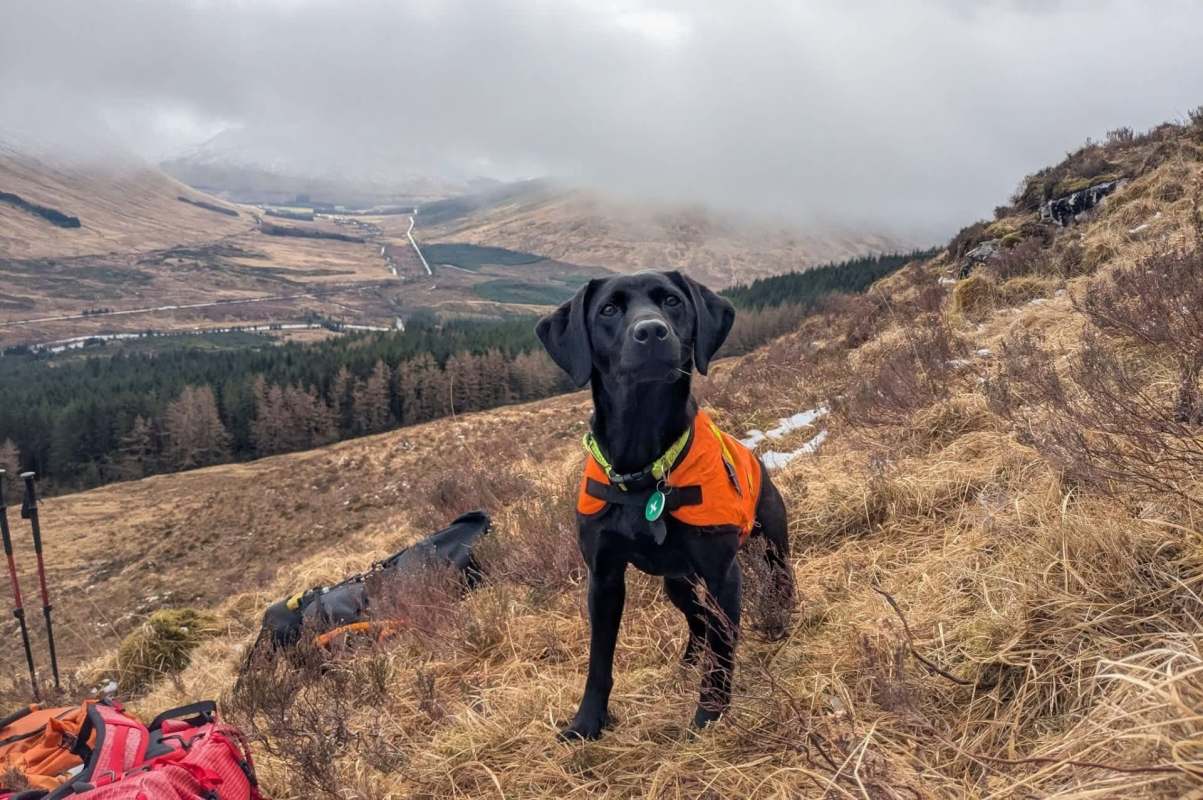
Sgiath, a black Labrador from the Scottish Highlands, has received a major honor for an unusual assignment — detecting "sea vomit."
The six-year-old dog, whose name is pronounced Skee-ah, received the Animal of the Year title after helping defend Scotland's shorelines from the invasive carpet sea squirt.
Here's what to know
According to BBC Scotland's Instagram post, Sgiath searches with her owner, marine ecologist Dr Texa Sim, for carpet sea squirt colonies tucked into seaweed at low tide. That work led the International Fund for Animal Welfare, or IFAW, to name her Animal of the Year.
The post said Sgiath has helped track down "hundreds of colonies" of the invasive species. Because carpet sea squirt can smother native wildlife and damage coastal industries, finding it early is especially important where the organism is hard to detect.
BBC Scotland also described Sgiath as "Thought to be the UK's first sea squirt-hunting dog," giving Sim another option beyond visual surveys alone. By following scent, the Lab can find colonies that might otherwise blend into shoreline vegetation.
One user said, "Sgiath - What a good girl! I wonder how you eradicate sea squirt? I never thought I'd use that in a sentence."
TCD Picks » Quince Spotlight
💡These best-sellers from Quince deliver affordable, sustainable luxury for all




More background
The post said sea squirt detection is only one part of Sgiath's work. It also described her as a trained mountain rescue dog, "switching between finding lost hikers and protecting marine ecosystems."
Her duties span two very different settings: conservation work in the Highlands and public-safety work in rescue operations. Few animals are recognized for work that crosses both land-based emergency response and marine protection.
One reason her role stands out is that the organism is described as "hard-to-spot" and remains hidden among seaweed at low tide. In that situation, a dog's nose can offer an advantage over human observation alone.
The stakes reach beyond marine habitat, since the species can harm coastal industries as well as wildlife. That means Sgiath's work could matter to both local ecosystems and the communities that rely on them.
What's being done?
The focus of the effort is to locate invasive carpet sea squirt colonies before they can cause more damage. The post credits Sim and Sgiath with finding hundreds of them.
BBC Scotland said she relies on her "remarkable sense of smell" to detect the organism around low tide, when colonies may still be concealed among seaweed. Using scent in those conditions makes the search more targeted than visual scanning alone.
In the comments, a user said, "Thank you for featuring my exceptionally good girl! ❤️ Follow us to find out more about Sgiath and our ecology detection dog work 🐾"

Get TCD's free newsletters for easy tips, smart advice, and a chance to earn $5,000 toward home upgrades. To see more stories like this one, change your Google preferences here.






