


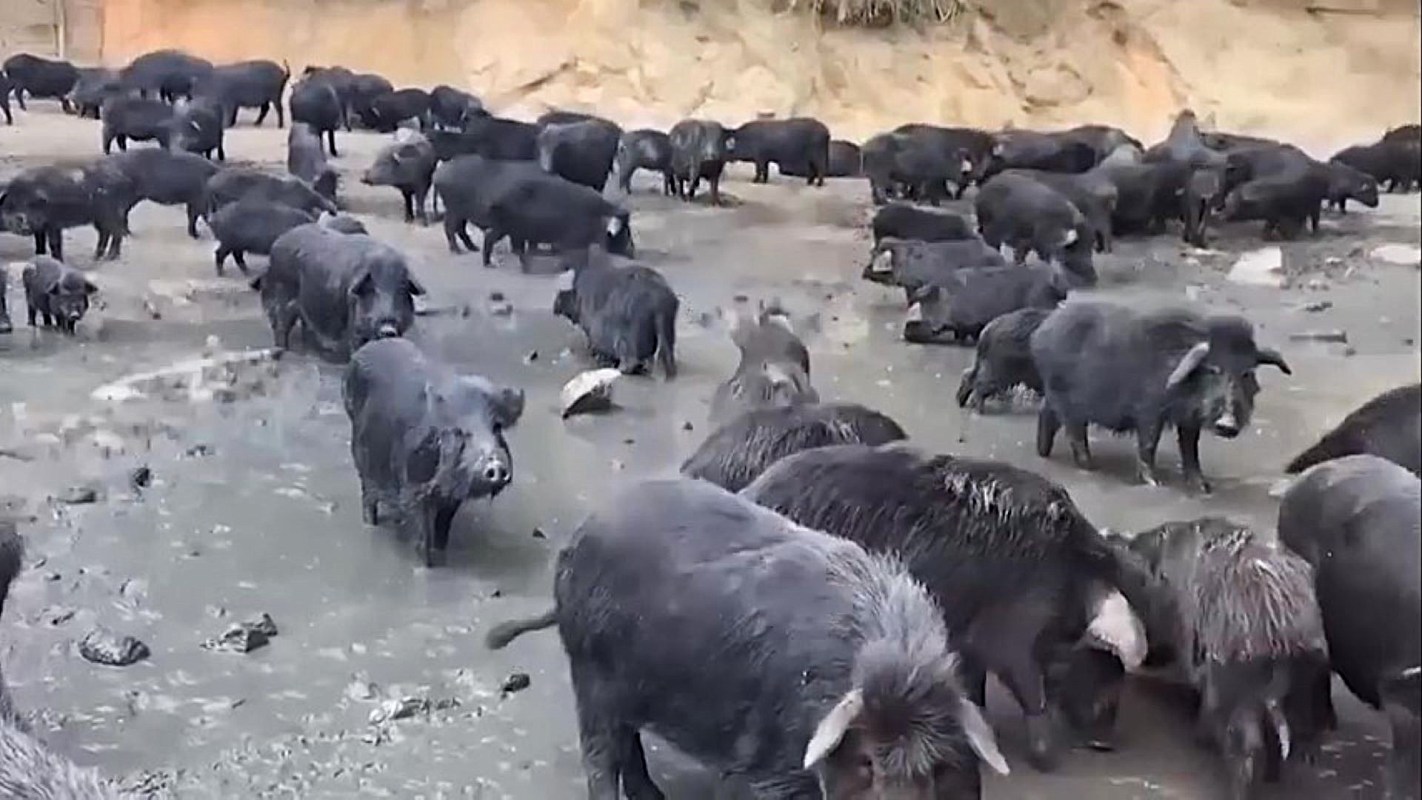
An 11-year study of black bears in Alabama produced an unexpected clue about missing feral hogs.
While reviewing GPS data from a female bear in the Talladega National Forest corridor, researchers found an odd pattern that ultimately pointed to what was happening to some of the hogs.
What happened?
The YouTube video from Terra Factor centers on wildlife ecologist Dr. Timothy Steury, who spent 11 years monitoring Alabama's black bears with collar data.
The mystery surfaced in 2022, when Steury found that one female's "movement pattern stopped making sense." The behavior became clearer only after he overlaid her location points with the feral hog survey maps his team had been using.
That comparison suggested black bears were taking at least some of the feral hogs that had been disappearing.
It also challenges a common assumption. Black bears are typically seen as opportunistic omnivores, not as a major force affecting feral hog populations.
TCD Picks » Quince Spotlight
💡These best-sellers from Quince deliver affordable, sustainable luxury for all




Why does it matter?
Feral hogs are more than a nuisance. They tear up crop fields, damage forests, compete with native wildlife, and can contaminate water or spread disease.
The harm they cause is felt across ecosystems, by landowners, farmers, and communities that bear the cost of the damage.
If black bears are helping reduce hog numbers, even in a limited way, that could ease some of that strain.
Native predators taking on some of that work naturally could help relieve landscapes already stressed by invasive species.
When native species recover, they can sometimes restore ecosystem functions that people did not fully recognize before.
Alabama's black bears will not solve the feral hog problem on their own, but the discovery suggests that protecting wildlife can also support healthier forests and cleaner land for nearby communities.

Get TCD's free newsletters for easy tips, smart advice, and a chance to earn $5,000 toward home upgrades. To see more stories like this one, change your Google preferences here.






