


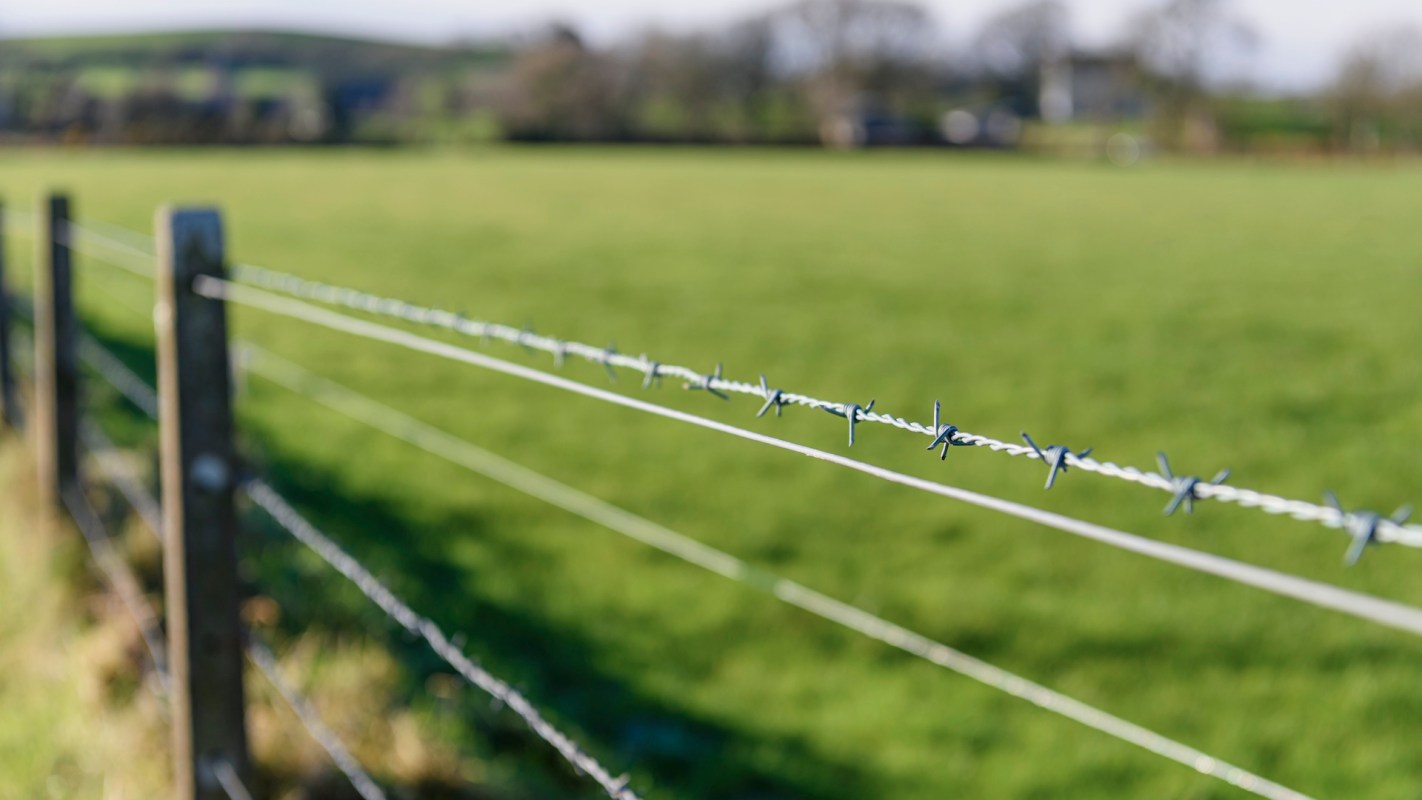
A black bear survey in Connecticut depends on an odd mix of materials like barbed wire, used doughnut grease, and tampons soaked in raspberry extract.
Those ingredients are part of the state's first scientific black bear population study in more than a decade, and the findings could influence how officials respond to a growing number of encounters.
Here's what to know
To estimate the black bear population in western Connecticut, the Connecticut Department of Energy and Environmental Protection has partnered with Mississippi State University's Carnivore and Population Ecology Lab, according to the Hartford Courant.
Instead of trying to spot or follow bears directly, the team is using scent-baited barbed-wire corrals to collect fur for analysis.
For Dana Morin, principal investigator at Mississippi State's lab, the method has more in common with lab work than tracking.
"It's basically forensics, right. It's the same idea as identifying somebody from saliva or something like that," she said to the Courant.
TCD Picks » Quince Spotlight
💡These best-sellers from Quince deliver affordable, sustainable luxury for all




As of the first week of August 2026, the team had gathered roughly 850 hair samples. Those samples come from 340 collection sites spread from the New York line to the Connecticut River, checked weekly before the hair is bagged and sent to Mississippi for genetic testing. Results are expected in spring 2027.
DEEP estimates there are around 1,000 to 1,200 bears statewide. In the last comparable study, conducted from 2013 to 2014 and published in 2016, western Connecticut was estimated to have roughly 400 to 450 bears.
More background
The study is unfolding as bear run-ins have become a regular part of life in Connecticut. DEEP receives thousands of reports each year, most of which involve bears getting into trash cans or bird feeders.
The agency has recorded more than 250 bear home break-ins over the past six years, and officials said 2026 had already brought more than 50 reported home entries.
Many wildlife conflicts are at least partly driven by people making food too easy for animals to access, which can teach them to return to neighborhoods rather than remaining in the wild.
Researchers are trying to avoid rewarding bears for approaching by using a scented lure that isn't food.
The project manager and research associate at Morin's lab, Connor Kurz, said, "If a bear is in the area, it might sniff it due to their curiosity, but they're not going to be coming back because there's no calories to be gained from it."
Better data could also help inform a contentious policy debate. Some lawmakers have pushed for a regulated bear hunt, while opponents argue that hunting would not necessarily address the bears most likely to cause trouble near homes.
What's being done?
Connecticut is investing in better data. The survey costs between $400,000 and $500,000 and is funded by federal wildlife management grants.
Using DNA from the hair samples, Morin's team will apply a technique called spatial capture-recapture to estimate not only the bears they detected, but also those they likely missed.
Knowing where bear density is highest can help officials better target education, response efforts, and planning.
Experts continue to recommend locking doors, storing trash in bear-proof containers, removing bird feeders, and limiting other food attractants around homes.

Get TCD's free newsletters for easy tips, smart advice, and a chance to earn $5,000 toward home upgrades. To see more stories like this one, change your Google preferences here.






