


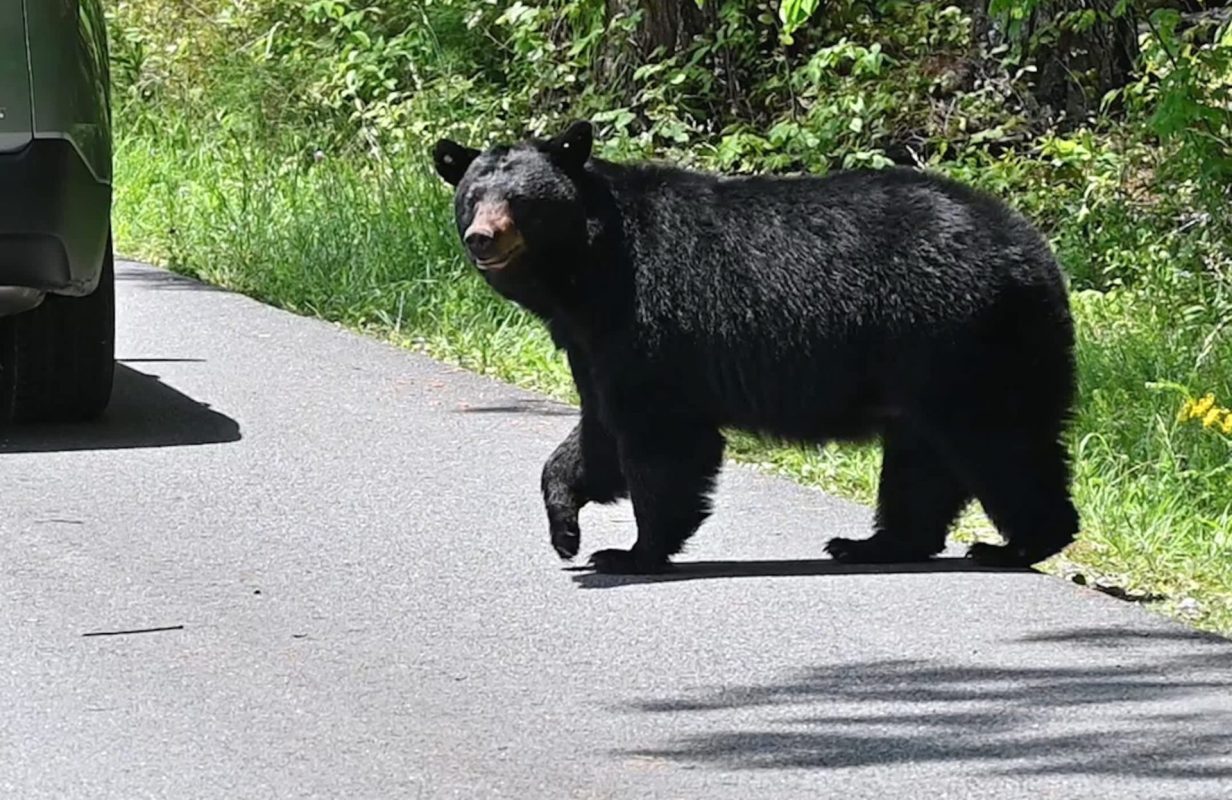
In a coastal Massachusetts community, a black bear's activity pushed officials to tranquilize the animal and relocate it.
What's happening?
A black bear spent part of a July weekend roaming near Buzzards Bay along the Massachusetts coast, prompting a response from local police and wildlife officials after it wandered too close to campgrounds and neighborhoods.
The response came after several black bear reports from the Buzzards Bay area to Bourne Police and the town's Department of Natural Resources, according to the Boston Herald.
At about 7:30 a.m. on July 12, another sighting brought officers to Bourne Scenic Park. Police said they saw the bear there before it retreated into the woods.
But after the animal remained near densely populated areas, Massachusetts Environmental Police chose to move it. Bourne Police assisted with tranquilizing and transporting the bear, and officials said the operation went smoothly, per the Boston Herald.
Luckily, in this case, officials chose a nonlethal response. Rather than leave it near a busy public area and risk the situation worsening, they tranquilized the animal and moved it farther away.
TCD Picks » Quince Spotlight
💡These best-sellers from Quince deliver affordable, sustainable luxury for all




The department later shared a photo of the blindfolded bear lying on ice. New Bedford Guide (@newbedfordguide) reposted the photo on Instagram:
Why does it matter?
Increased bear sightings show how wildlife is being pushed into closer contact with people.
In places where wooded habitat overlaps with campgrounds, roads, neighborhoods, and other development, animals can end up moving through human spaces simply because those spaces now interrupt or border their natural range.
That creates risks for both people and bears. A startled animal near homes or recreation areas can pose obvious safety concerns, but wildlife also faces the danger of becoming stressed, disoriented, or drawn to food sources left behind by humans, including trash and pet food.
The BBC explained that many wild-animal encounters are shaped in part by human expansion into animal habitat and the easy availability of food around people.
What can be done?
If bear sightings are reported in your local area, ensure that trash is safely stored, don't feed pets outside, and remove bird feeders.
Ultimately, contact the local authorities and animal services, and don't approach or provoke the animal.

Get TCD's free newsletters for easy tips, smart advice, and a chance to earn $5,000 toward home upgrades. To see more stories like this one, change your Google preferences here.







