


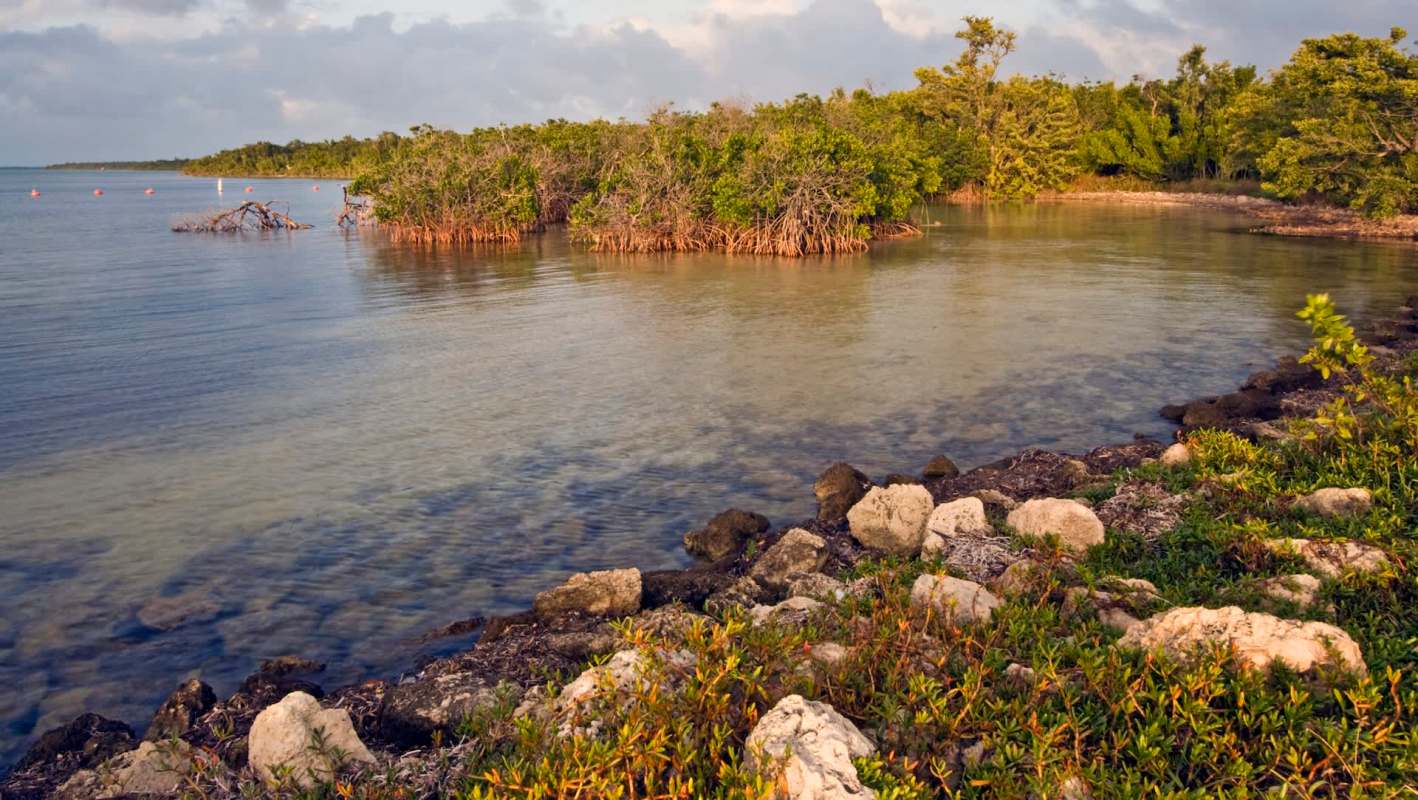
At first glance, Biscayne Bay still looks like a South Florida postcard, with pelicans overhead and mangroves along the shore.
But a new study suggests the bay is changing in dangerous ways, becoming warmer, saltier, and more acidic as average temperatures increase each year.
What's happening?
Researchers from the University of Miami analyzed 20 years of water-quality data from 34 monitoring stations across Biscayne Bay, drawing on records collected by Miami-Dade County starting in 2001, Earth.com reported.
Their findings, published in Estuarine, Coastal and Shelf Science, point to a steady pattern rather than a handful of isolated bad seasons.
Co-author Maria Josefina Olascoaga said Biscayne Bay is "changing in measurable ways as climate change accelerates."
"We observed that parts of the bay are becoming saltier and warmer, while pH levels are declining, making the water more acidic," she said.
TCD Picks » Quince Spotlight
💡These best-sellers from Quince deliver affordable, sustainable luxury for all




Scientists also found the sharpest salinity increases near canal mouths, where freshwater has historically flowed into the estuary, suggesting rising seas are helping saltwater push farther inland.
Why does it matter?
Biscayne Bay is one of South Florida's most recognizable natural spaces, bordering Miami and stretching toward the upper Florida Keys. The bay supports boating, fishing, tourism, and wildlife, and connects to Biscayne National Park.
It also depends on balance. As an estuary, it needs the right mix of freshwater and saltwater to support seagrass beds, fish nurseries, manatees, turtles, birds, and nearby coral habitat.
When that balance shifts, the effects can ripple through the entire food web.
According to Earth.com, median water temperatures across the bay in the study's later decade were roughly 0.5 degrees Celsius (0.9 degrees Fahrenheit) higher than in the earlier one, with North Bay warming the fastest.
Even modest temperature increases can stress marine life, reduce oxygen in the water, and increase the risk of coral bleaching.
pH levels also fell. More acidic water makes it harder for corals, shellfish, and tiny plankton to build and maintain their shells or skeletons.
That could add pressure on fisheries, recreation, and the coastal ecosystems that help buffer storms.
What's next?
Researchers emphasized the value of the 20-year record itself. Without two decades of monitoring, these changes might have appeared random.
Instead, the data showed an ongoing pattern rather than one bad season.
With this information, scientists can pinpoint where changes are happening fastest and prioritize where restoration is needed urgently.

Get TCD's free newsletters for easy tips, smart advice, and a chance to earn $5,000 toward home upgrades. To see more stories like this one, change your Google preferences here.






