


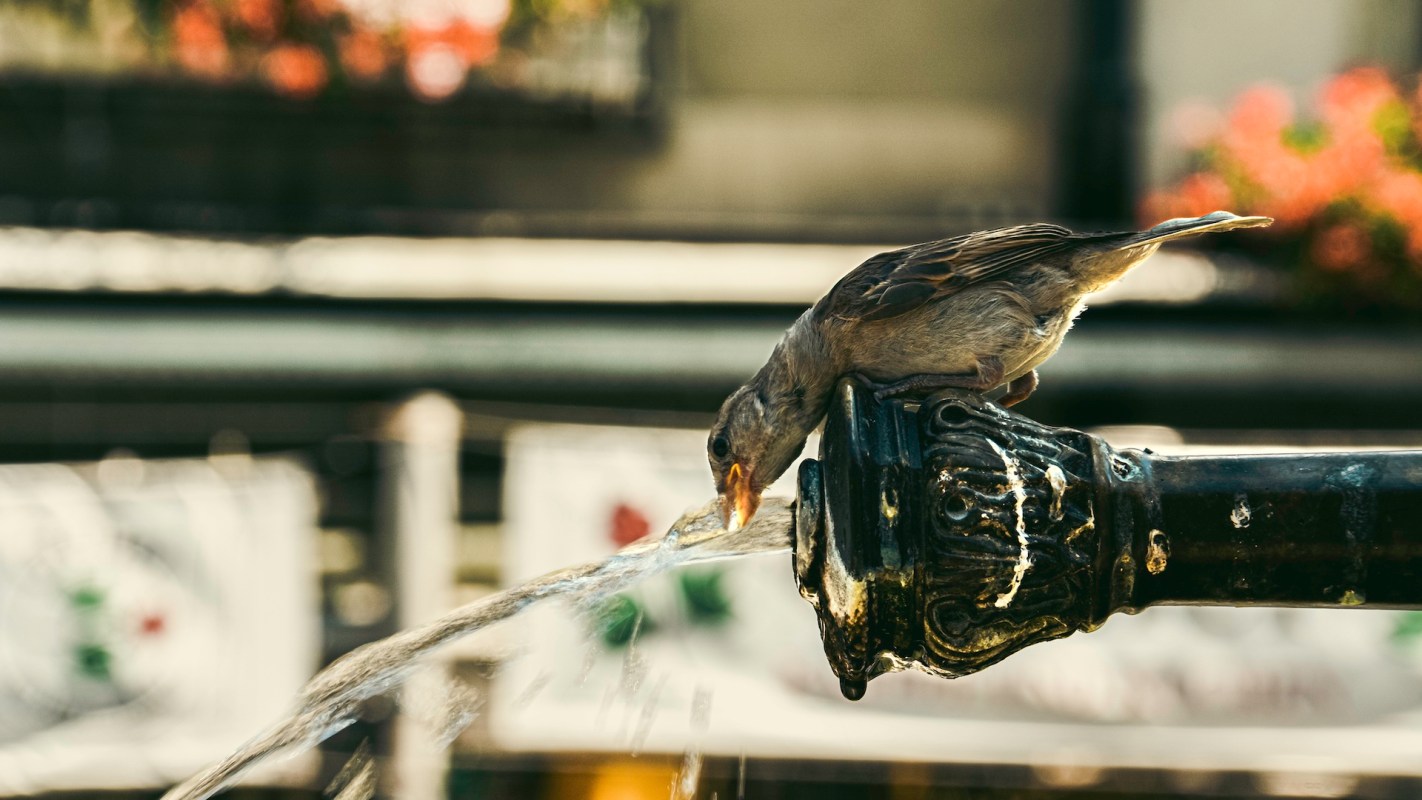
Europe's ongoing heat wave is taking a toll on wildlife as well as people, with birds among the species under the greatest strain. While many birds have adapted to withstand hot weather, researchers say prolonged periods of extreme heat can push them beyond their ability to stay cool, find water, and survive.
What's happening?
For birds across Europe, these high temperatures pose health risks. According to the Associated Press, prolonged heat combined with humidity can leave some species vulnerable to heat illness or death.
That does not mean birds are defenseless. David Bird, a McGill University professor of wildlife biology, said the group is extraordinarily diverse and that many species can handle long hot stretches, the AP noted. He explained that birds often function at body temperatures higher than those of mammals, around 100 degrees Fahrenheit.
But that tolerance only goes so far.
"This level differs by species, and as you can imagine, species that live closer to the poles are often much more susceptible to heat than species that live closer to the equator," Aimee Van Tatenhove, a postdoctoral fellow at the Cornell Lab of Ornithology, said, per the AP.
Unlike humans, birds do not sweat. Instead, some open their beaks and pant, while others rely on a technique called gular fluttering, rapidly moving throat tissues to release heat. They also seek out shade and water, the AP stated.
TCD Picks » Quince Spotlight
💡These best-sellers from Quince deliver affordable, sustainable luxury for all




Why does it matter?
Across ecosystems, birds do far more than simply occupy habitats: they pollinate some plants, keep pest numbers down, spread seeds, and can act as indicators that environmental conditions are deteriorating.
With climate-fueled extremes becoming more frequent, Van Tatenhove warned that, "prolonged intense heat like Europe is experiencing right now is likely pushing many species toward their maximum heat tolerances, putting them at risk of heat illness or death."
The danger can be compounded by shrinking food supplies. Insect populations have fallen sharply in many places, a decline tied partly to climate change and pollution, cutting into a major food source for many birds at the very time they need energy most, the AP report noted.
What can I do?
The AP reported people can take a few practical steps at home to ease the pressure on birds during severe heat. A shallow container of clean water placed somewhere safe can help them drink, bathe, and cool down, while filled feeders give them access to food without the need to forage in direct sunlight.
Shade matters over the longer term as well. Yards planted with multiple layers of vegetation, including shrubs and tall trees, can provide shelter and form cooler pockets that help wildlife ride out heat surges.
At the same time, experts caution against handling wildlife unnecessarily. Jack Kottwitz, an assistant professor at Michigan State University's College of Veterinary Medicine, told the AP that if passive help is not possible, it may be best to leave birds alone because they "know better than what we do about what is comfortable for them."
"The best thing for wildlife is to let them be wild," Lisa Duke, sanctuary grounds manager at the W.K. Kellogg Bird Sanctuary, added. "They know what to do with their bodies."

Get TCD's free newsletters for easy tips, smart advice, and a chance to earn $5,000 toward home upgrades. To see more stories like this one, change your Google preferences here.






