


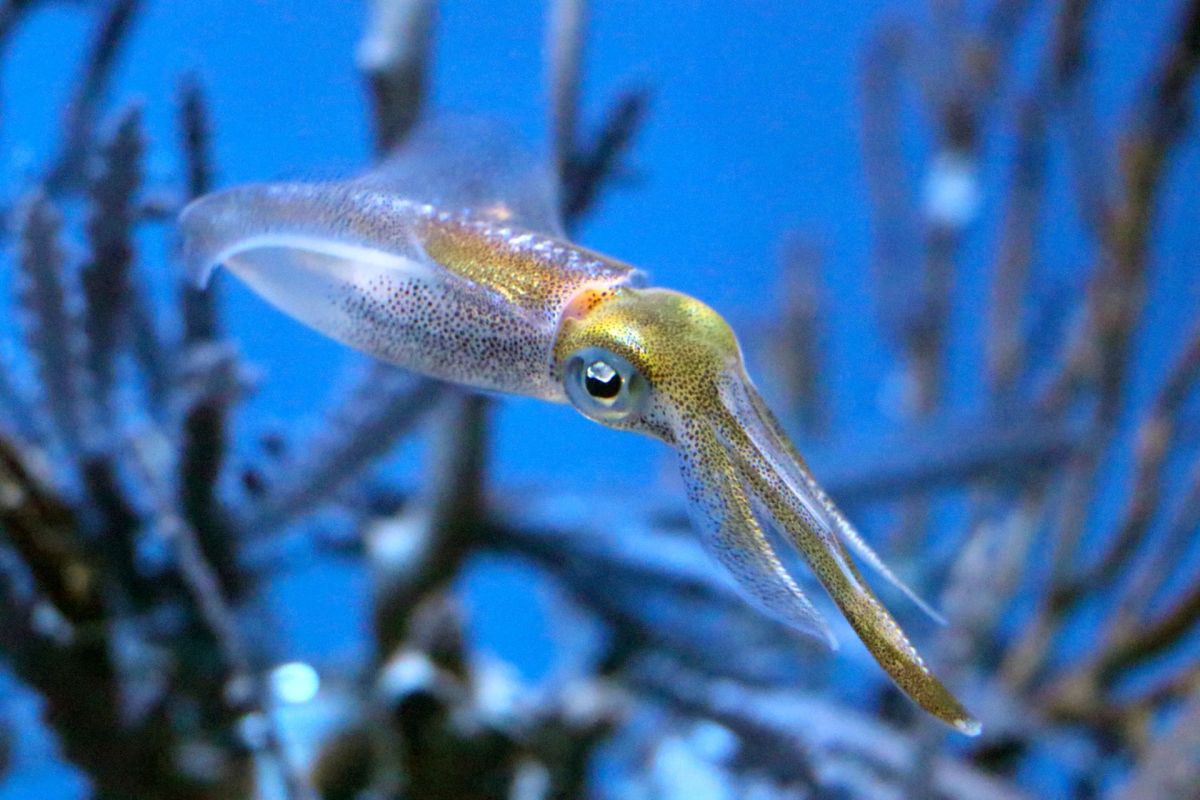
Two rare bigfin squid drifted into view in one of the least explored parts of the planet, giving ocean researchers an extraordinary glimpse of life nearly 9,000 feet below the surface.
The twin sightings, recorded in Micronesian waters, are a reminder that some of Earth's most important wildlife discoveries are still unfolding in the deep sea.
What happened?
At depths of 8,129 feet (2,478 meters) and 8,858 feet (2,700 meters), an expedition in the Federated States of Micronesia documented two magnapinna, or bigfin, squid.
The observations came from the remotely operated vehicle Little Hercules and the deep-water tow sled Atalanta.
These encounters took place in the ocean's "midnight zone," an area beyond the reach of sunlight, according to Laughing Squid.
Researchers also captured more than a simple sighting: one squid was seen "sink-fishing" for food, offering a rare clue to how the elusive cephalopod may hunt in deep water.
TCD Picks » Quince Spotlight
💡These best-sellers from Quince deliver affordable, sustainable luxury for all




Because wild sightings of bigfin squid in the genus Magnapinna total fewer than 100, any clear footage is especially useful.
E/V Nautilus said its NA180 Corps of Exploration spotted "not one but TWO more of these iconic cephalopods" during the mission.
Why does it matter?
Deep-sea discoveries help scientists and the public better understand the ocean systems people rely on. Healthy oceans support food webs, help regulate the climate, and sustain coastal communities around the world.
When researchers capture footage of rarely seen animals, they contribute to a growing understanding of how biodiversity functions in places where humans still know very little. That knowledge can help shape future conservation decisions, especially as interest in industrial activity in deeper waters continues to grow.
The more scientists learn about fragile marine habitats before they are disturbed, the better communities can weigh the risks of extraction, pollution, and habitat loss.
What's being done?
Ocean exploration still has enormous value. Tools such as ROVs and deep-water camera systems allow researchers to study habitats that would otherwise remain almost completely inaccessible.
Documenting animals like bigfin squid helps build the baseline information scientists need to track ocean health over time. Even when a mission is not focused on a single species, these surprise encounters can become important scientific records.

Get TCD's free newsletters for easy tips, smart advice, and a chance to earn $5,000 toward home upgrades. To see more stories like this one, change your Google preferences here.







