


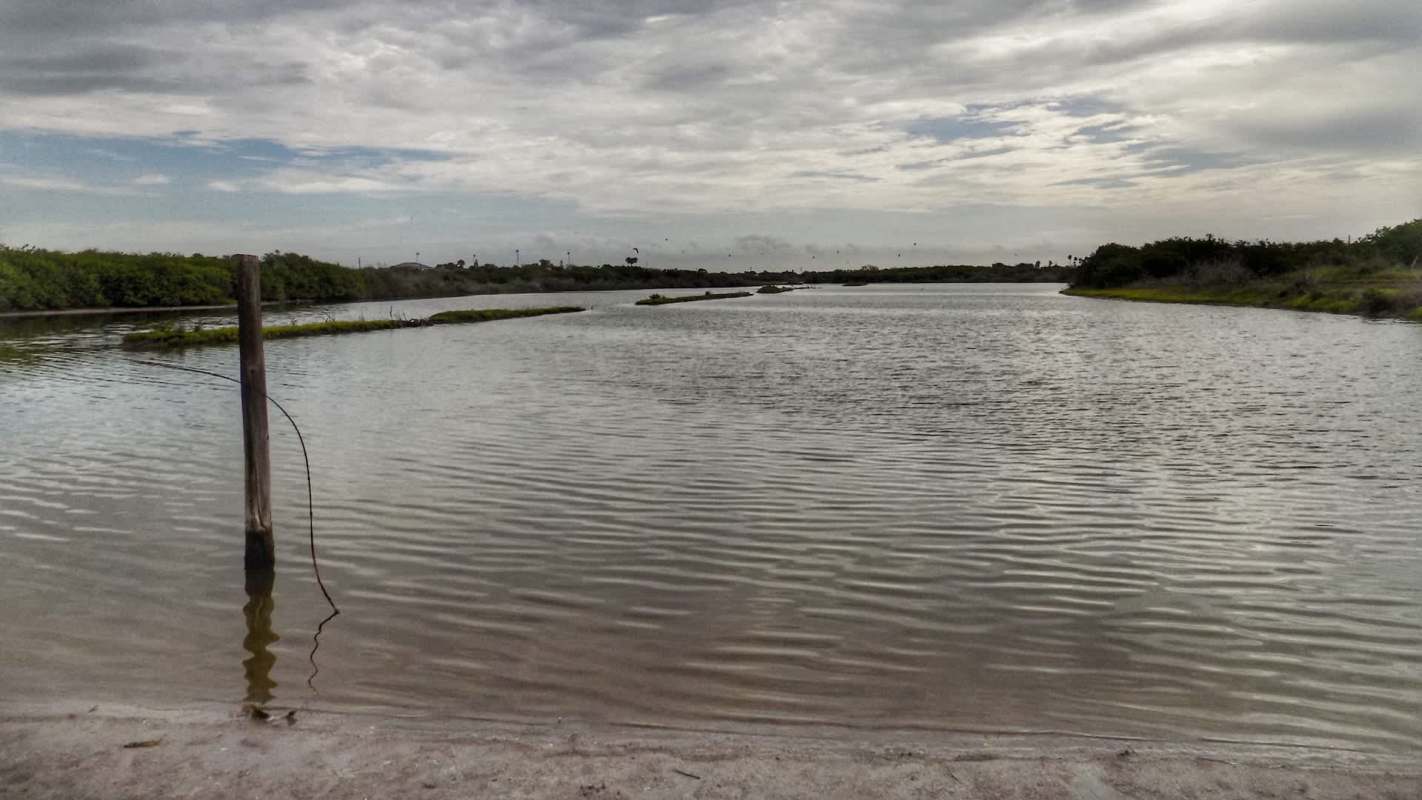
Beeville, Texas, is nearing completion of an emergency water system after severe drought left its only drinking water source, Lake Corpus Christi, at as little as 6% capacity.
If lake water becomes unavailable, the city could be forced to turn to the backup wells.
Here's what to know
Beeville officials announced progress on an emergency backup system for reliable drinking water and design work finishes on a permanent treatment plant, according to the Beeville Bee-Picayune.
Groundwater development and a permanent brackish water reverse osmosis plant were the focus of an October 27 engineering update to the Beeville City Council. These efforts come in response to severe drought conditions that pushed Lake Corpus Christi down to near record lows of 6 - 7% capacity.
Crews have installed raw-water pipelines, added a productive well on Cleveland Street, and restored the Cook Road and West First Street wells, comprising a safety net if lake water runs out. For up to a year during construction of the permanent treatment facility, groundwater can enter the municipal network directly after disinfection under temporary approval from state regulators.
Garver Engineering regional manager Taylor Hecht told council members the emergency wellhead system was roughly 90% complete.
TCD Picks » Quince Spotlight
💡These best-sellers from Quince deliver affordable, sustainable luxury for all




More background
Before water from the new Cleveland Street well enters the city's supply, additional equipment must safely remove naturally occurring methane discovered during routine testing in May.
Whether specialized scrubbing tanks are also necessary remains under review as Garver continues testing. Hecht said officials hope to avoid that expense. Crews have already installed storage-tank exhaust fans, pipe vent extensions, and gas-separation equipment.
Cost savings prompted engineers to change the permanent plant's layout. Rather than treating water at four neighborhood locations as originally planned, they consolidated treatment at a single property on Cleveland Street.
What's being done?
Three treatment units at the permanent plant will initially supply 3.6 million gallons of drinking water per day. The building will have room for six units, allowing the city to eventually double that capacity to 7.2 million gallons per day.
Kiewit Water Facilities South project executive Kory Kyllo said bidding among regional contractors is underway for five construction packages, including earthwork, piping, and electrical systems.
To help fund the project, Beeville is seeking a Texas Water Development Board grant worth $21 million. If approved, the grant would cover project expenses without requiring a local taxpayer match.
Council members authorized two changes to Kiewit's contract totaling over $9,100 for control panel design and electrical upgrades for weather protection.
If the existing water plant stops supplying water, the emergency wells could serve as a relatively quick substitute. "If your water plant [shuts] down and no water [is] producing, it's about a 24- to 36-hour lead time at this point," Hecht said.
Where can I learn more?
Other Texas communities are also looking for ways to keep water flowing as supplies come under strain.
• Corpus Christi turned to wells and dam releases after a leak disabled its Mary Rhodes Pipeline.
• Corpus Christi's bet on desalination left residents facing water bans and debt.
• A Texas congressman urged Trump to fulfill his water promise to Corpus Christi.
• In East Texas, groundwater officials paused a management plan as dry-well warnings grew.
• Amarillo entered a Stage 1 drought plan, asking residents to limit outdoor watering.

Get TCD's free newsletters for easy tips, smart advice, and a chance to earn $5,000 toward home upgrades. To see more stories like this one, change your Google preferences here.






