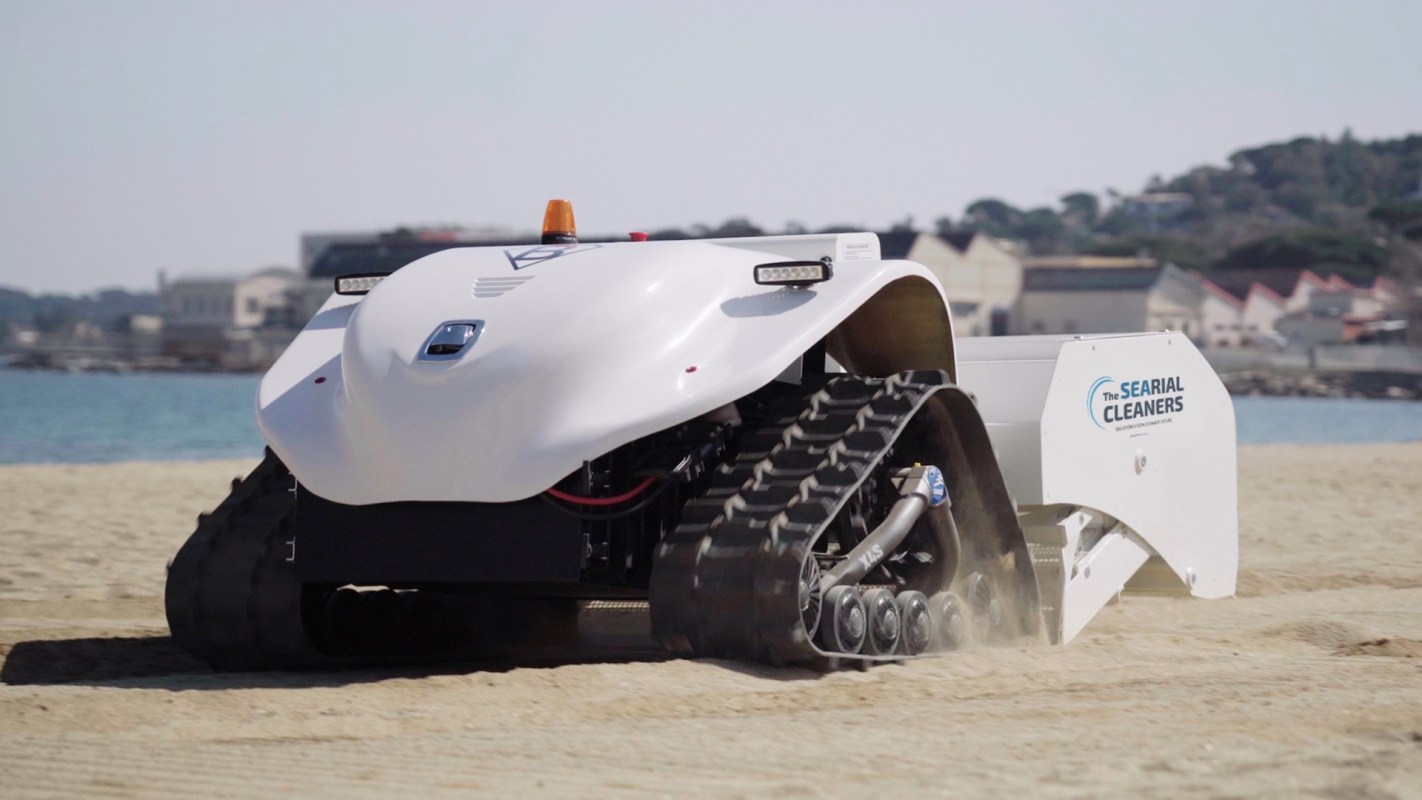
Canada's first beach-cleaning robot, known as BeBot, is helping keep Great Lakes shorelines clean as plastic pollution piles up, according to The Weather Network.
What's happening?
The annual Great Lakes Plastic Cleanup report stated that an estimated 22 million pounds of plastic enter the Great Lakes each year, as reported by The Weather Network. In 2025, the Great Lakes Plastic Cleanup crews sorted and classified nearly 32,500 plastic items and other waste across the region.
That's a lot of trash, which is why the Great Lakes Plastic Cleanup initiative has a new helper: the BeBot. It's Canada's first fully electric beach-cleaning robot operated by remote control. It can clean up to 32,292 square feet in an hour, sifting material from as deep as 0.16 inches below the surface and then returning the sand.
"The BeBot has proven to be a valuable addition to the Great Lakes Plastic Cleanup technology fleet because it allows us to access and clean sandy-beach environments that are not directly addressed by other capture technologies," said Melissa De Young, CEO at Pollution Probe (which runs the Great Lakes Plastic Cleanup initiative), in an email interview with The Weather Network.
She said BeBot has already been used to collect and classify more than 43,000 pieces of debris from Great Lakes beaches, including toys, fireworks remnants, food packaging, and cigarettes.
How does BeBot help?
The Great Lakes Plastic Cleanup report mentioned that tiny plastic pieces left behind can cause harm like bigger pieces can.
TCD Picks » Quince Spotlight
💡These best-sellers from Quince deliver affordable, sustainable luxury for all




De Young said Lake Ontario has repeatedly shown the highest average plastic counts among the five lakes.
"More than 70% of the debris characterized through the Great Lakes Plastic Cleanup consists of microplastics such as small fragments, foam pieces, and pre-production plastic pellets," she explained.
De Young said researchers have found microplastics in Great Lakes water, sediment, and fish. People are also exposed through the food and beverages they consume, and even the air they breathe.
Cleaner beaches, on the other hand, can benefit nearby communities more immediately by improving recreation areas and reducing shoreline litter.
What's being done?
The BeBot is part of a cleanup effort that relies on different tools for different environments. Another device in operation is the PixieDrone, which The Weather Network described as a remote-operated aquatic drone that collects debris floating on the water's surface.
After Ontario's 2023 requirement that dock foam be enclosed under the Keeping Polystyrene Out of Ontario's Lakes and Rivers Act, De Young said there was a noticeable drop in how much of that material was collected in parts of Lake Ontario.
"This suggests that prevention measures, policy changes, and infrastructure improvements can reduce specific sources of pollution," she told The Weather Network.
For households, one practical step is reducing disposable plastics when possible so less material has the chance to enter waterways in the first place.
And if you're at a beach yourself, it never hurts to pick up what you can. Every plastic chip bag that makes its way into a trash bin means there'll be a little less plastic in oceans everywhere.

Get TCD's free newsletters for easy tips, smart advice, and a chance to earn $5,000 toward home upgrades. To see more stories like this one, change your Google preferences here.