


Germany's recent rise in battery adoption has raised fresh questions about home energy storage, one of the fastest-expanding parts of the clean energy transition.
That matters because more homeowners are connecting batteries to rooftop solar, and hot summer weather can magnify the safety and performance problems that come with poor installation choices. While it seems to be an isolated case, PV Magazine reported that a battery exploded in Germany in connection with a poor installation and extreme heat, prompting advisories about best practices.
What's happening?
Figures from Spain show how quickly this market is growing. Citing the Spanish PV association UNEF, PV Magazine said distributed storage for photovoltaic self-consumption reached 540 megawatt-hours in 2025, up 65% from 327 MWh in 2024.
The residential segment was a key force in that increase: battery-equipped systems rose 99% to 219 MWh. Residential storage accounted for 40% of installed capacity, and 61% of newly added residential self-consumption systems came with batteries.
Adding battery storage is one of the best ways to protect your home during outages, save money on energy, and move closer to going off-grid — provided the installation is performed by a reputable company with proper thought to ambient heat and ventilation, among other tips shared in the report.
What can I do?
For anyone considering a home battery, Sarriegi recommends first confirming that the equipment complies with standards such as IEC 62619, UL 9540, UN 38.3, and, where applicable, the European CE mark.
Those certifications do not remove all risk, but they show a system was designed and tested under recognized safety requirements.
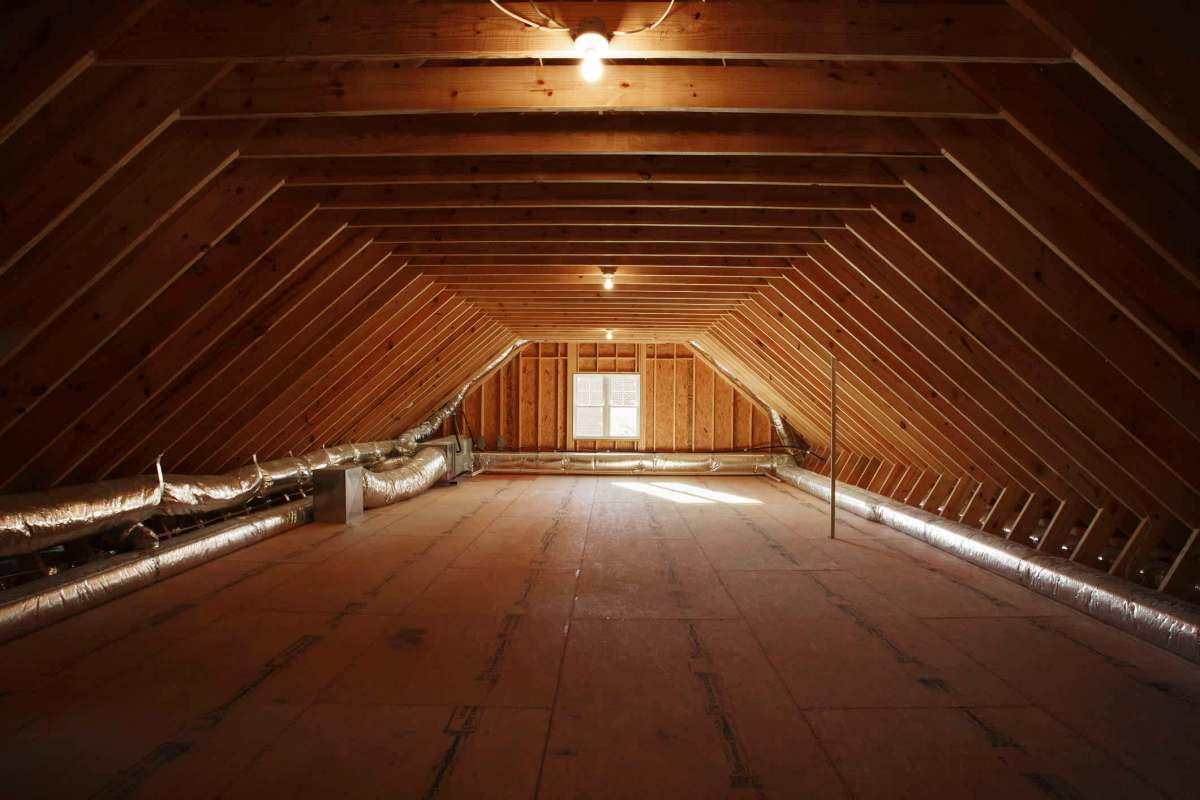
Most residential batteries use passive cooling, so they generally fit best in spaces with stable temperatures, such as basements or shaded indoor areas. Sarriegi advised against attics, lofts, terraces, and facades in direct sun, which can become hotter than the outside air.
Save $10,000 on solar panels without even sharing your phone number Want to go solar but not sure who to trust? EnergySage has your back with free and transparent quotes from fully vetted providers in your area. To get started, just answer a few questions about your home — no phone number required. Within a day or two, EnergySage will email you the best options for your needs, and their expert advisers can help you compare quotes and pick a winner. Solar panels can save you more than $50k over their 25-year lifespan, and EnergySage can help you save as much as $10k on installation. Which begs the question — isn't that worth an email or two? |

According to PV Magazine, Sarriegi also advised choosing inverter and storage sizes that match household needs and shifting heavy electricity use, such as air conditioning or oven use, toward midday during heat waves. That way, more solar electricity gets used immediately, less energy has to cycle through the battery, and performance is better preserved over time.
He also emphasized that "the spacing between batteries, walls, and other heat-generating equipment — such as inverters — is crucial for ensuring proper heat dissipation."
If a unit is stuck in a poor location, "auxiliary ventilation or air conditioning around the equipment may be required."
The PV Magazine report did not include much information about the battery explosion itself, but it is likely referring to a report from Rostock, Germany, where a battery had been stored inside a wooden shed with no air conditioning that then overheated during a heat wave.
Such reports are extremely rare and certainly rarer than fires and carbon monoxide poisoning issues associated with gasoline-based generators, so buying a battery from a reputable brand and having it installed by a reputable and licensed contractor following proper installation guidelines — such as installing in an attached garage, a basement, or the exterior of a home where surrounding temperatures would rarely exceed 110 degrees Fahrenheit — would make such a risk unlikely.
According to EcoFlow, the type of battery you buy and the location of its installation can make huge differences in how well it can handle heat, and an experienced installer would be able to match the right system with any installation.
Beyond helping to get through a power outage with a setup to switch off the grid, home battery systems can also help you use more of your own solar power during expensive evening hours instead of relying as much on the grid, though exact savings depend on your rates and system size.
If you're exploring options, EnergySage's free tools can help you compare home battery storage choices and get competitive installation estimates. Another option is Pila, whose plug-and-play batteries are priced at a fraction of what a whole-home backup system would cost.
Why does it matter?
Garikoitz Sarriegi, head of converters and storage at Kiwa PI Berlin, expects lithium iron phosphate, or LFP, to remain the leading battery chemistry in the residential market, according to PV Magazine.
These systems usually perform best from 68 to 86 degrees, while temperatures above 104 can reduce efficiency, speed up wear, and, in rare cases, contribute to thermal runaway or fire.
Because of that, placement can shape how a system performs: A battery in a cool basement or shaded indoor area may behave very differently from one installed in an attic, loft, or sunny outdoor location.
Heat can damage performance long before it becomes an immediate safety problem.
Systems exposed to excessive temperatures may protect themselves by reducing battery and inverter output power — called derating — or by temporarily shutting down. That can leave homeowners with less backup power during an outage, less stored solar energy to use at night, and lower savings from a system intended to cut electricity bills.

Get TCD's free newsletters for easy tips, smart advice, and a chance to earn $5,000 toward home upgrades. To see more stories like this one, change your Google preferences here.






