


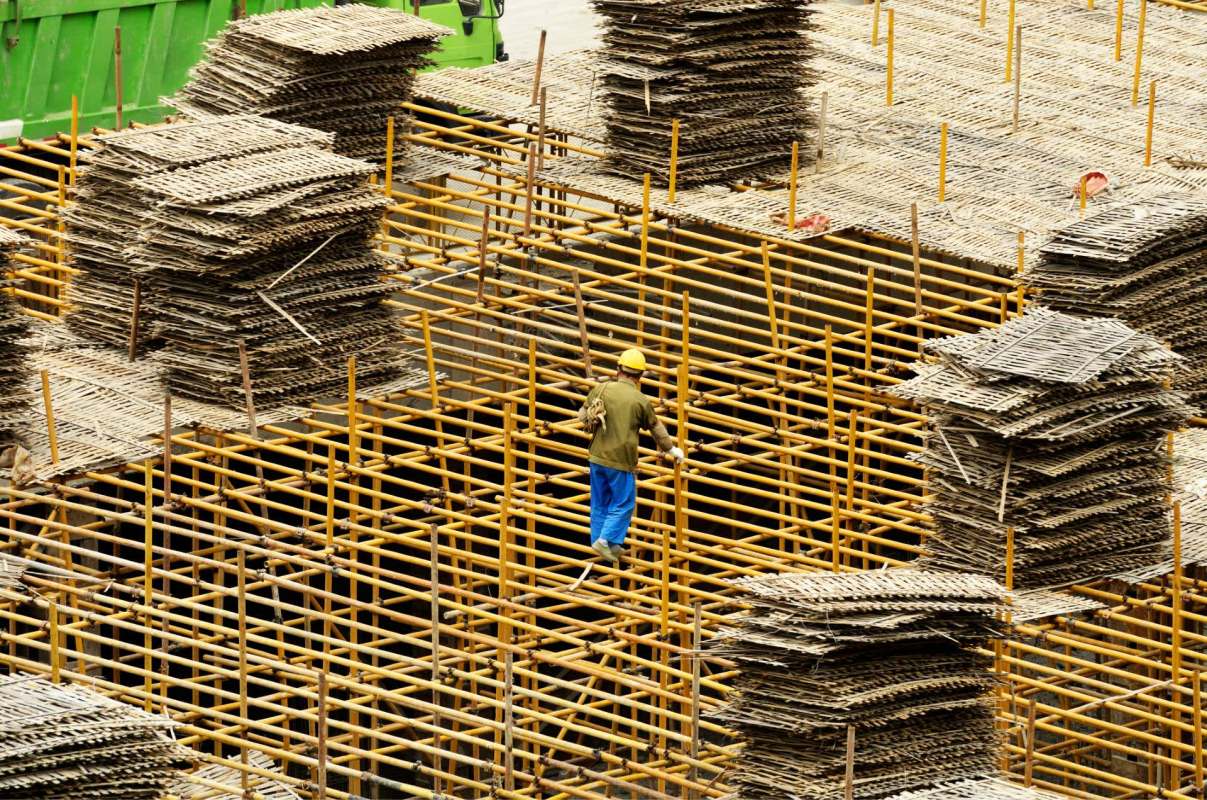
Engineers and architects are reimagining bamboo, one of the world's oldest building materials, in a way that could dramatically reshape modern construction.
According to the Guardian, advances in bamboo engineering are allowing the fast-growing plant to be used in increasingly ambitious projects — from schools and airports to multistory towers. The Institution of Structural Engineers has published a bamboo design manual for architects, positioning it as a serious alternative to carbon-intensive concrete and steel.
"The idea that we can move people away from using carbon-intensive materials and towards low-carbon materials or, better still, carbon-fixing materials seems like a very wise way of minimising the emissions from urbanisation," said David Trujillo, the lead author of the manual and an assistant professor in humanitarian engineering at the University of Warwick.
Traditional concrete production is one of the largest sources of industrial pollution worldwide. Cement — a key ingredient in concrete — requires heating limestone to extremely high temperatures, releasing planet-warming carbon dioxide both from fuel combustion and from the chemical reaction. Globally, cement production accounts for roughly 7-8% of annual carbon pollution, according to scientific research.
Bamboo, on the other hand, grows rapidly (which is why bamboo is considered invasive in many areas) and absorbs carbon as it matures. Some species can grow several feet in a single day, ready to harvest in just a few years.
When sustainably cultivated in a controlled way, bamboo can be used to build everything from homes to replacing some plastic materials in vehicles.
Beyond environmental benefits, bamboo offers economic advantages. It is lightweight yet strong, which can make it easier and cheaper to transport. In regions where bamboo grows naturally, it may also offer a more affordable building material compared to imported steel or cement.
Bamboo already grows natively in subtropical regions, and it is also being produced as a crop in places like Portugal. Expanding access to bamboo crops could make it easier for European and Mediterranean builders to begin using it in construction.
Cities around the world are searching for ways to decarbonize infrastructure without sacrificing safety or durability. If bamboo-based alternatives to steel and cement continue to show their versatility and gain acceptance in the market, consumers could see more buildings and even homes built with bamboo.
That could lead to lower construction pollution, cleaner air, and potentially reduced construction costs. For people and the planet, it's a win-win: modern infrastructure that stands up to our needs while also using fewer resources and generating less pollution.
TCD Picks » Quince Spotlight
💡These best-sellers from Quince deliver affordable, sustainable luxury for all




|
Which of these savings plans for rooftop solar panels would be most appealing for you?
Click your choice to see results and earn rewards to spend on home upgrades. |
 Save $1,000 this year 💸
Get TCD's free newsletters for easy tips to save more, waste less, and make smarter choices — and earn up to $5,000 toward clean upgrades in TCD's exclusive Rewards Club.
Cool Picks





