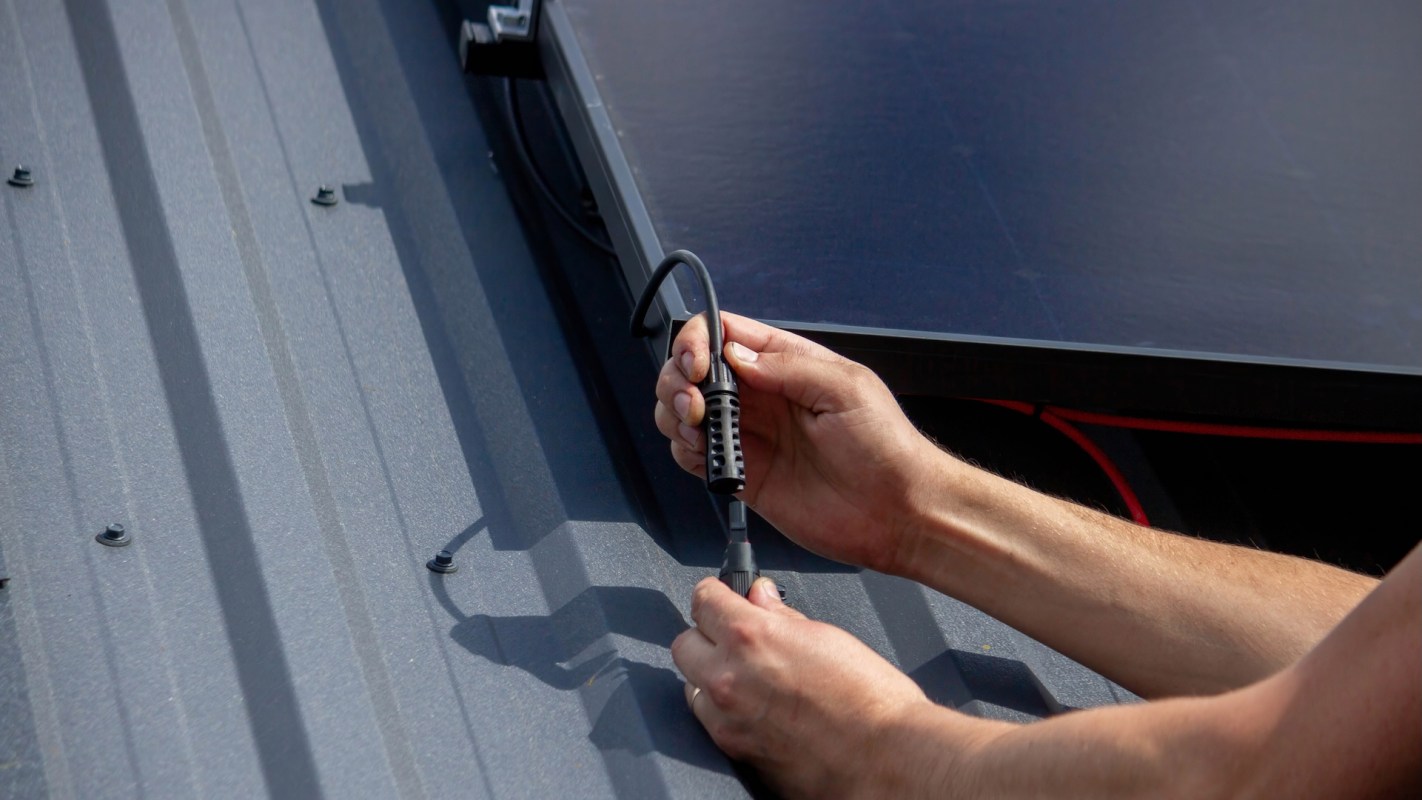
Balcony solar panels, or small solar systems that plug into a standard 120-volt outlet, have gained popularity across Europe over the past decade but have been held back in the U.S. by regulations.
However, interest in these systems is growing as more state governments consider easing restrictions and allowing homeowners to adopt these low-cost energy setups.
Bentham Paulos, a consultant working with Berkeley Lab and the Clean Energy State Alliance, broke down the viability of this emerging technology in an opinion piece in PV Magazine.
"The sudden emergence of plug-in solar is timely, given the high concern about energy affordability," Paulos explained.
While whole-home and rooftop solar systems have proved to be a solid investment for homeowners looking to reduce rising energy costs and improve energy security, high upfront costs and complex installations remain barriers for some homeowners and most renters.
Luckily, companies like EnergySage make solar more accessible and less complicated for homeowners in the U.S. Its free tools can connect you with quick solar estimates and information to compare quotes.
While rooftop units tend to offer the most value, plug-and-play options come at a fraction of the cost while still delivering meaningful savings. Because they require no rewiring or complex installation, they also open the door for renters who may not have full control over their living space.
"It offers renters and apartment dwellers — over a third of U.S. households — a way to cut their utility bills with solar power, complementing rooftop and community solar," Paulos added.
Save $10,000 on solar panels without even sharing your phone number Want to go solar but not sure who to trust? EnergySage has your back with free and transparent quotes from fully vetted providers that can help you save as much as $10k on installation. To get started, just answer a few questions about your home — no phone number required. Within a day or two, EnergySage will email you the best local options for your needs, and their expert advisers can help you compare quotes and pick a winner. |

Given the recent conversations around the technology, Paulos was asked to develop a short report for government agencies considering plug-in bills. While crafting the report, Paulos installed his own DIY system to see the challenges the average household would face if plug-in systems became widely available.
After a bit of a learning curve, Paulos successfully installed his used system, which saved him roughly $50 per month in utility costs. With the entire system costing $635, Paulos should see a return on the investment in just over a year.
However, to make these systems a reality for all U.S. homeowners, Paulos explained that it will take changes at several regulatory and permitting agencies.
The two main concerns about balcony panels are safety and compensation for the energy generated.
More From EnergySage
💡Go deep on the latest news and trends shaping the residential solar landscape
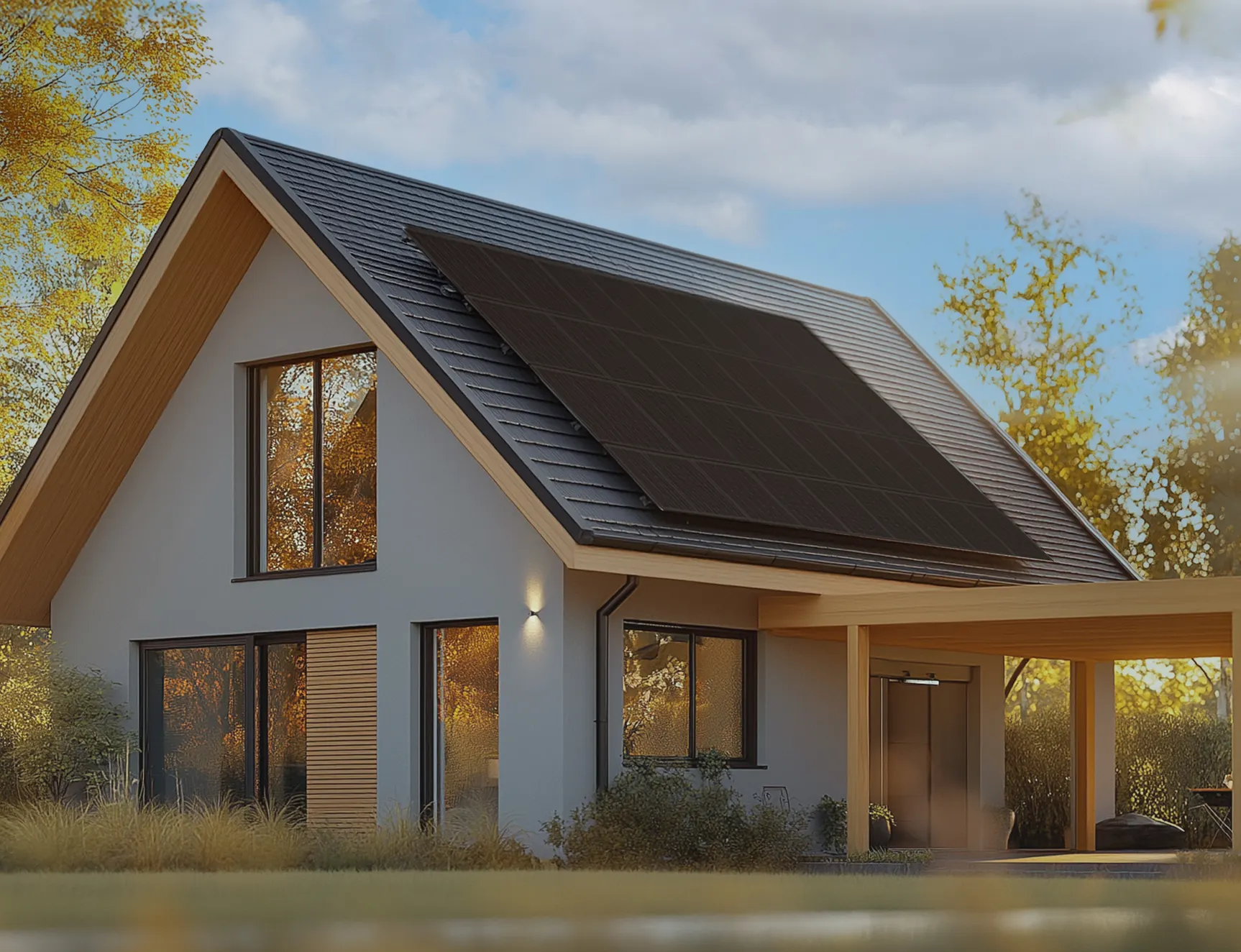
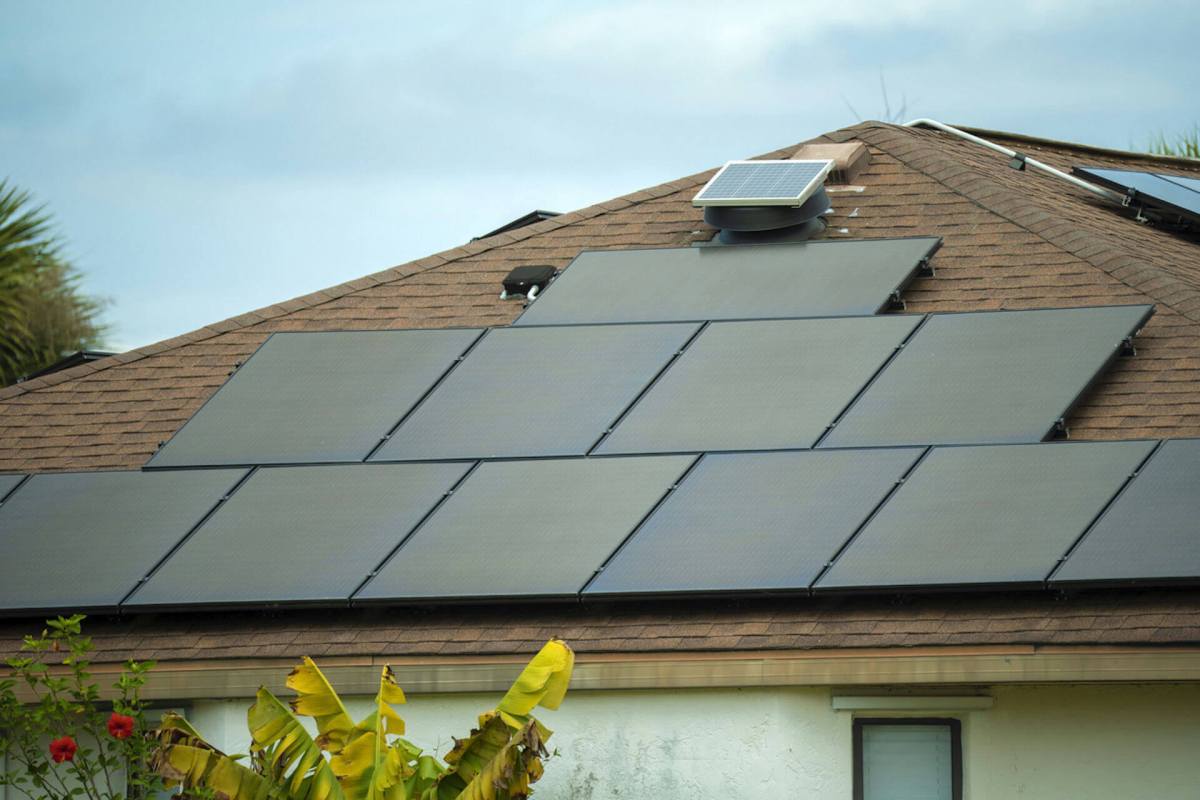
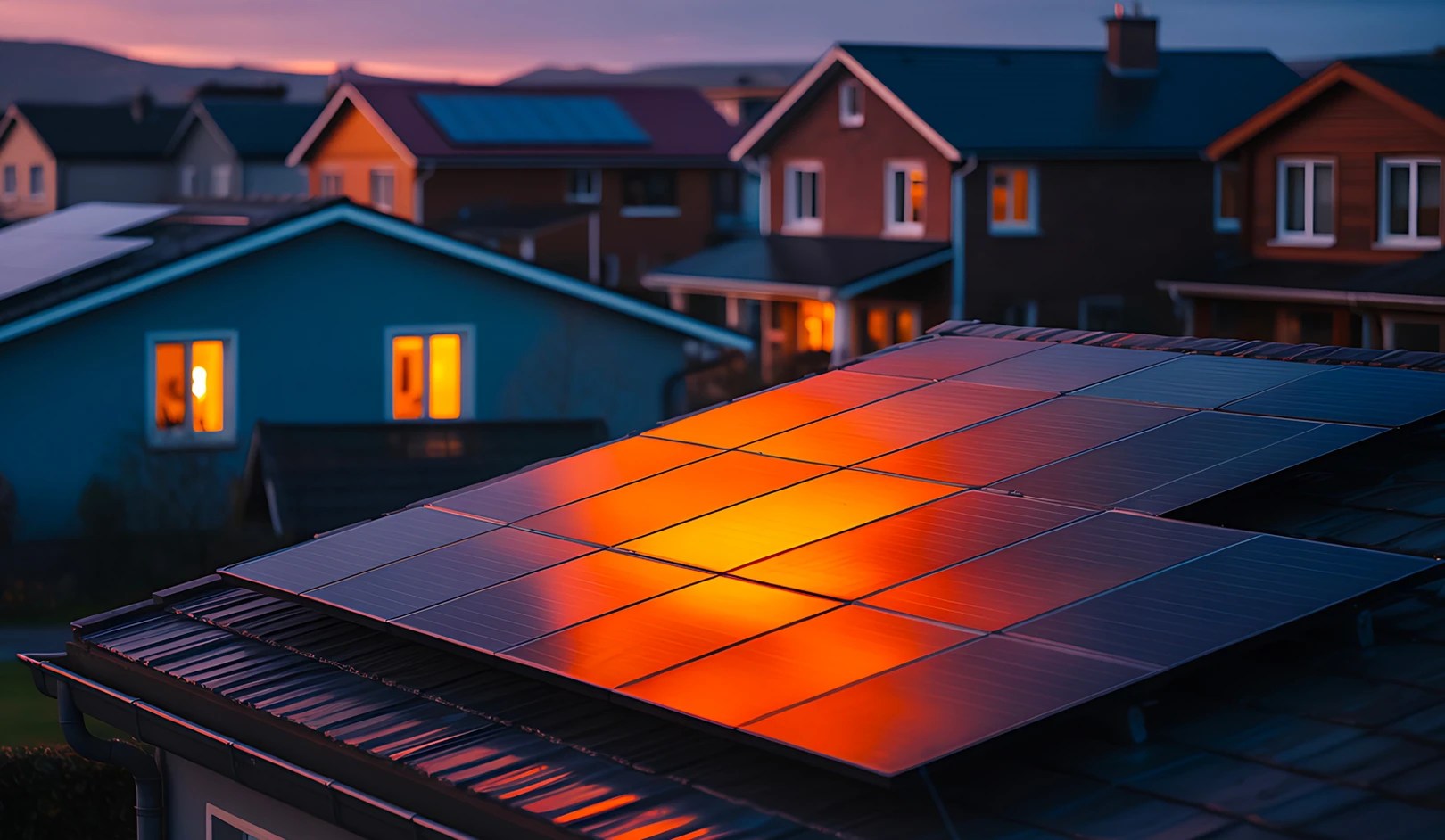

If improperly designed, energy from plug-in panels could be sent back to the grid, endangering line workers. However, Paulos explained that these safety issues are already being addressed on the manufacturing side.
Additionally, to avoid the complex paperwork usually required for solar installations, small systems may be exempt from net metering programs, which typically compensate homeowners for excess energy sent back to the grid.
Although Paulos broke down a few additional logistics issues, he stressed that there are solutions available.
"None of these issues seem hard to resolve, and innovation will come quickly once the regulatory door is opened," he concluded. "Having done my own, I can see how theory needs to evolve into practice before millions of DIY systems appear across the country."
Whether your state is considering plug-in bills or not, you don't have to wait to take advantage of the bill savings offered by solar panels.
EnergySage can help you find the best solar system and installer available for your home and budget. Homeowners who consult with its experts can save up to $10,000 on installation costs.
To see the average cost of home solar and details on incentives available in your area, check out EnergySage's free mapping tool. It ensures you lock in the lowest price possible for your new system.
If energy security is important to you, or if you're looking to save even more by dodging peak-rate prices, consider pairing your solar panels with a battery backup. EnergySage's resources can help you here, too, by providing information on energy backup solutions.

Get TCD's free newsletters for easy tips, smart advice, and a chance to earn $5,000 toward home upgrades. To see more stories like this one, change your Google preferences here.
Cool Picks