


Online attention has focused on a failed rescue along Mumbai's coast, where a baby humpback whale came ashore and died before responders could save it.
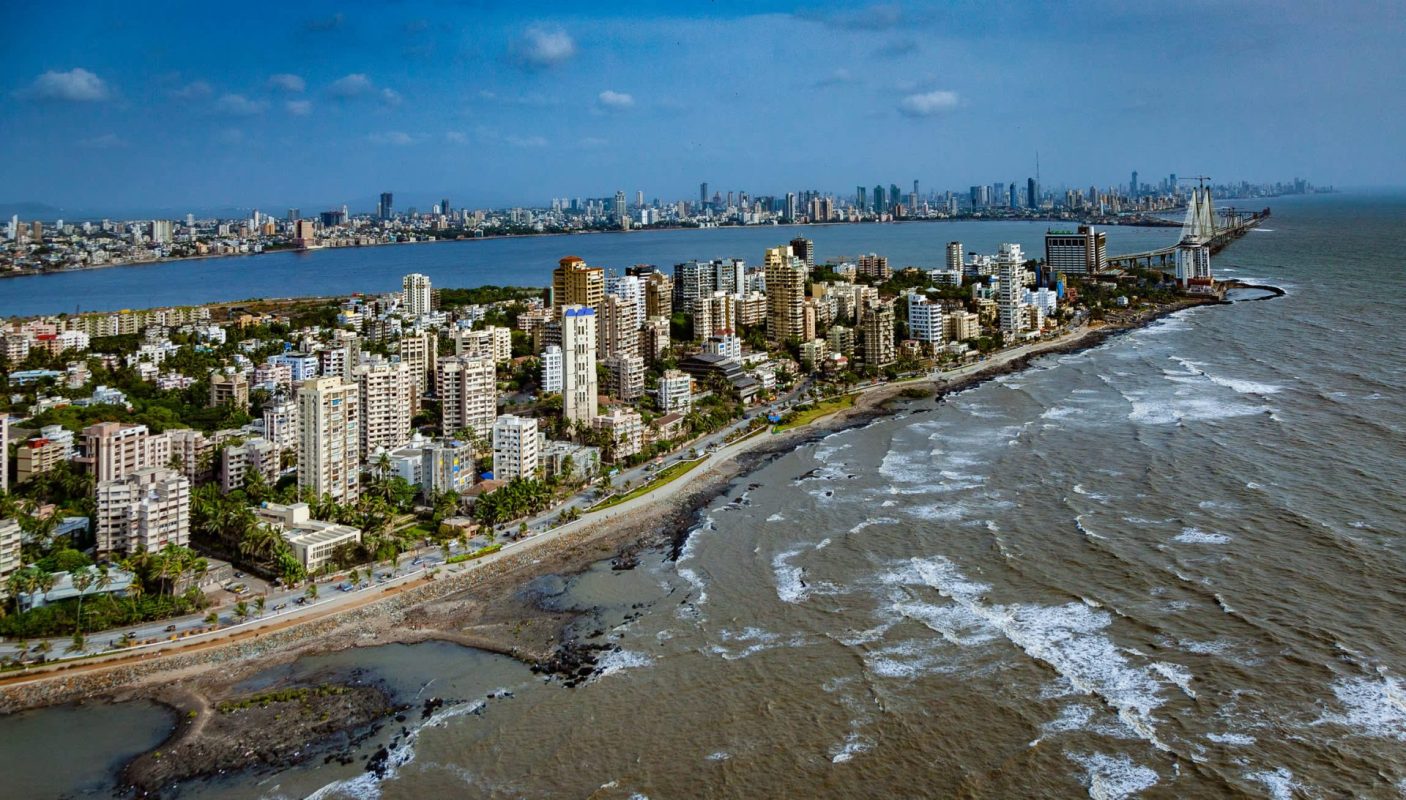
According to the Deccan Herald, the animal was about 26 feet long and was discovered around 7:30 a.m. on Friday, June 27, among rocks near Otters Club beside the Bandra-Versova Sea Link.
What happened?
Local updates shared online, including a BandraBuzz post on social platform X, described the rescue attempt and its outcome. In the post, the outlet wrote, "The baby humpback whale was later confirmed dead. In a coordinated operation, teams from the Mumbai Fire Brigade and the Bandra-Versova Sea Link used a crane to carefully lift the animal off the rocky shoreline before it was transported for burial."
A baby humpback whale measuring an estimated 26 feet in length was found stranded between the rocks near Otters Club, close to the Bandra–Versova Sea Link, at around 7:30 am on Friday, June 27. (1/2) pic.twitter.com/qmVLL4cbws
— Bandra Buzz (@bandrabuzz) June 27, 2026
Why does it matter?
Environmental advocates say a whale stranding can signal wider trouble in the ocean, beyond the immediate loss of the animal itself. B N Kumar, director of NatConnect Foundation, said the death "should be treated as a warning from nature," adding that marine mammals are especially sensitive to changes in their surroundings and that strandings can reflect deeper ecological stress.
He linked those concerns to sewage, industrial waste, and plastic pollution in coastal waters, saying the effects can reach far beyond wildlife. Such damage, he warned, can disrupt fishing livelihoods, weaken local ecosystems, reduce water quality, and leave coastal communities more vulnerable over time.
Kumar said, "Our recent laboratory analysis of high-tide water entering the DPS Flamingo Lake found contamination levels far above permissible limits."
TCD Picks » Quince Spotlight
💡These best-sellers from Quince deliver affordable, sustainable luxury for all




NatConnect Foundation is calling on the National Institute of Oceanography to conduct a broader assessment of Mumbai's coastal waters, including water quality, pollution, habitat loss, and impacts on marine life. The group says that without that kind of intervention, incidents like this could slow progress toward cleaner, healthier coastlines that support both biodiversity and the communities that depend on them.
What are people saying?
For Kumar, the whale's death was "deeply distressing" and not something to dismiss as a one-off.
Nandakumar Pawar, who heads the port agency Sagar Shakti, made a similar point: "Large marine mammals are indicators of the overall health of the ocean. Their distress should compel us to examine the cumulative impact of untreated sewage, industrial effluents, plastic waste and increasing human interference along the coast."

Get TCD's free newsletters for easy tips, smart advice, and a chance to earn $5,000 toward home upgrades. To see more stories like this one, change your Google preferences here.






