


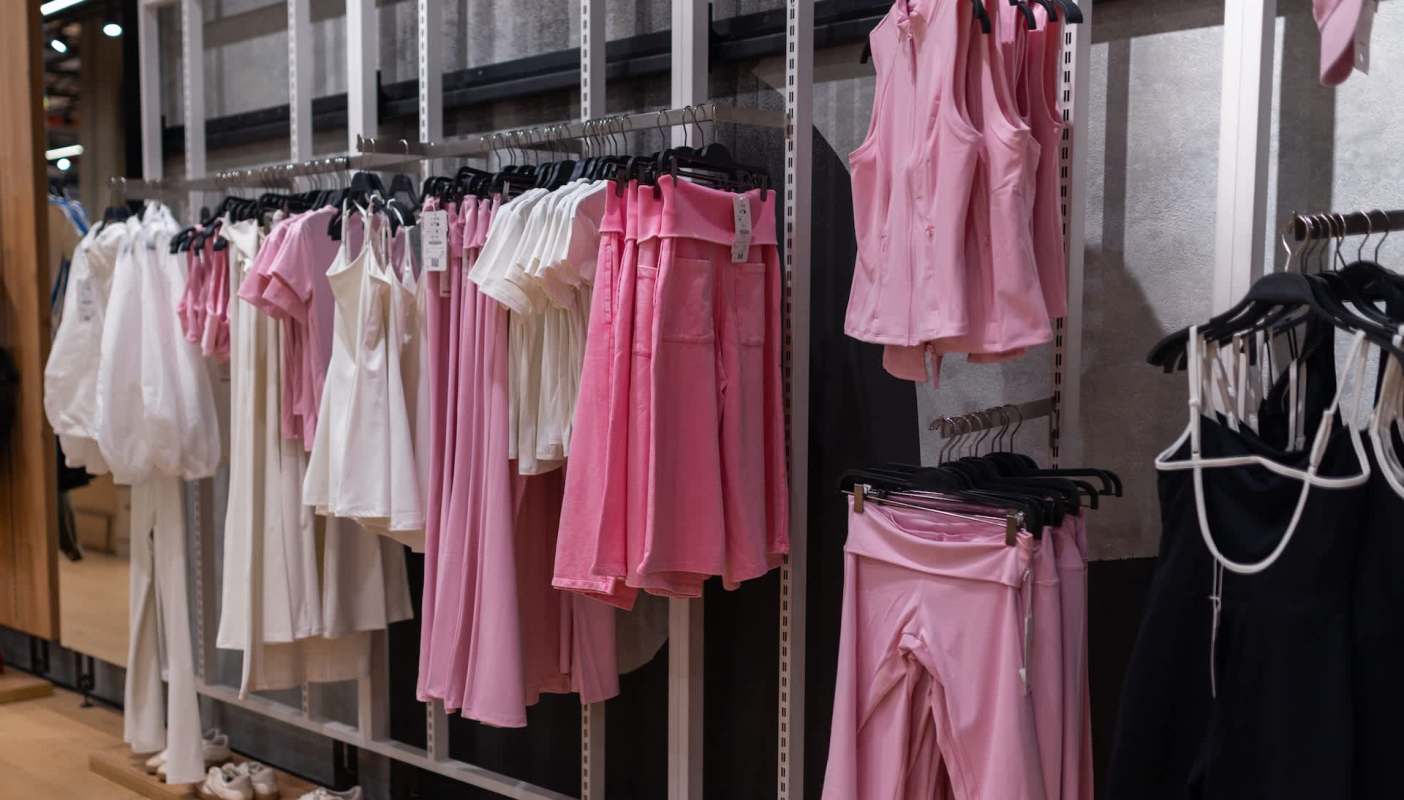
A New York clothing brand is facing a consumer complaint over an emerging form of alleged false advertising: using AI-generated people to model apparel without telling shoppers.
At the center of the complaint is Athletifreak, an athletic apparel seller with locations in suburbs around New York City, amid a broader rise in synthetic imagery across e-commerce.
Here's what to know
According to records reported by Straight Arrow News, someone anonymously complained to the New York attorney general that Athletifreak displayed products on what may be AI-generated models without saying so. The same records show a separate complaint accusing British eyewear brand Bloobloom of comparable conduct.
New York's synthetic performer disclosure law took effect June 9 and requires advertisers targeting New Yorkers to disclose when ads use AI-generated performers. State officials have described the measure as a way to reduce deception and protect human workers in creative industries.
Only Athletifreak and Bloobloom had drawn consumer complaints under the statute. The attorney general's office would not comment on where those complaints stand, and neither company responded to requests for comment.
People often treat product photos as evidence of what an item really looks like on a person. But research found that viewers identify AI-generated content correctly just 51% of the time, roughly no better than chance.
TCD Picks » Quince Spotlight
💡These best-sellers from Quince deliver affordable, sustainable luxury for all




More background
Jacqueline Rodriguez, a 21-year-old Duke University graduate with degrees in computer science and public policy, said AI content has become "very pervasive" across platforms.
She said the technology has advanced so quickly that "there are times where it's so realistic that, for a moment, you really see it as true."
For clothing shoppers, that uncertainty matters because photos help people assess fit, appearance, and quality.
Rodriguez said AI-generated human models can be misleading because "they're not a true display of a product and its usage or its appearance on an actual person."
What's being done?
By mandating disclosure when synthetic performers appear in ads aimed at New Yorkers, the state has adopted one of the most aggressive early responses. Because many online sellers advertise nationally, the rule could also reach businesses based far beyond New York.
The requirement is influencing bigger companies too. Amazon informed third-party sellers in July that images or videos containing "AI-generated people" need disclosures that comply with New York's standards.
Rodriguez said other states could follow New York's lead, describing the rule less as a restriction than as an informational label, similar to the kind consumers see on packaged food.
As Rodriguez put it: "It just gives you knowledge and an informed understanding of what you're looking at and not kind of feeling like you're being tricked or something."

Get TCD's free newsletters for easy tips, smart advice, and a chance to earn $5,000 toward home upgrades. To see more stories like this one, change your Google preferences here.






