


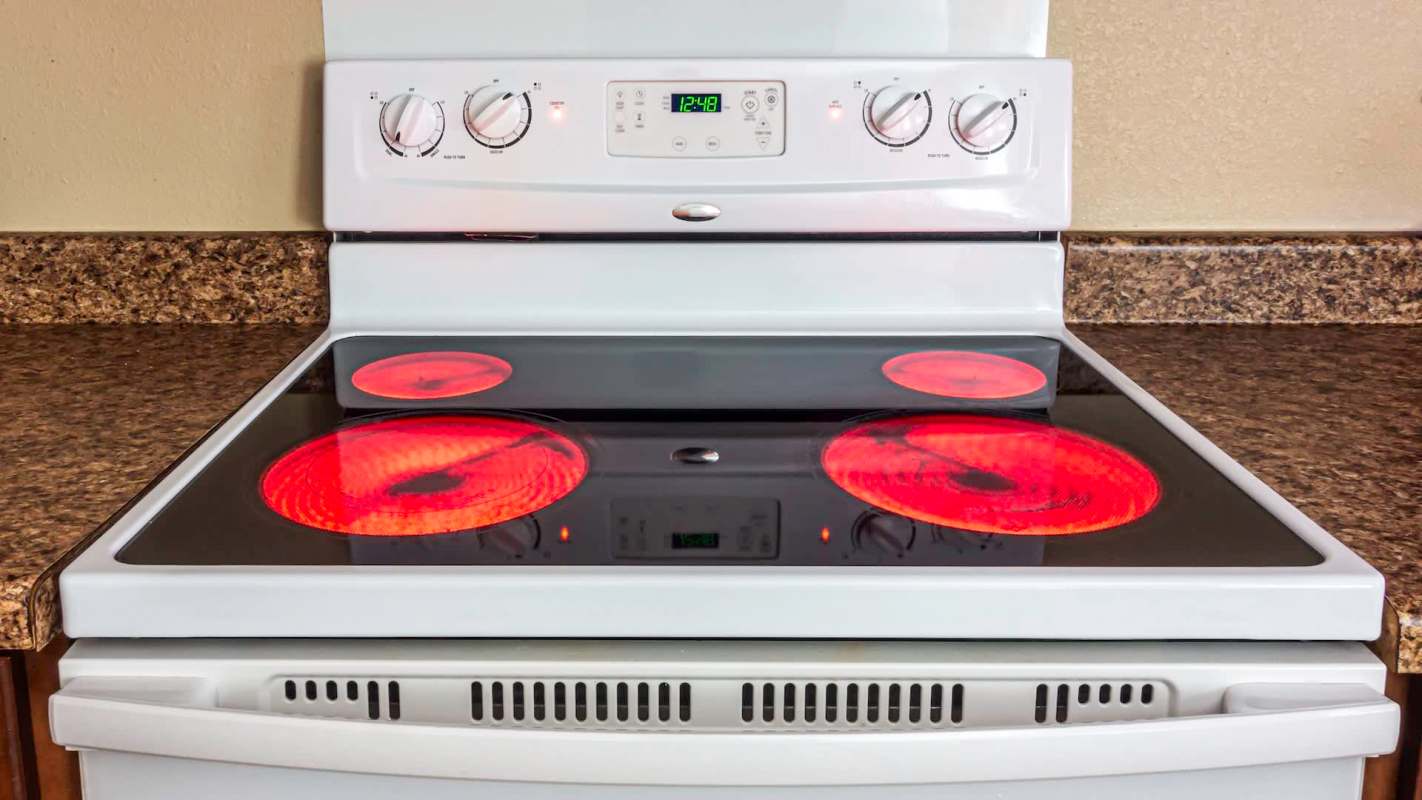
For households managing hard-to-control asthma, the stove in the kitchen may matter more than they realize.
A new study found that replacing gas stoves with electric induction models was linked to major improvements in asthma symptoms, along with fewer emergency room visits.
What happened?
In the study, 85 children and adults with poorly controlled asthma were living in homes with gas stoves, study author Dr. Ashwini Sehgal reported for The Conversation.
Their gas appliances were taken out, the gas hookups were sealed, induction stoves were installed, and researchers followed up two to three months later.
After the switch, asthma control improved markedly. Average symptoms moved from moderate to mild, while indoor nitrogen dioxide — produced when natural gas burns — fell by 70%.
Asthma-related ER visits and hospitalizations dropped 70%, and missed days of work or school fell about 80%.
TCD Picks » Quince Spotlight
💡These best-sellers from Quince deliver affordable, sustainable luxury for all




Satisfaction with the new stoves was also much higher: 98% of participants said they were satisfied or very satisfied with induction compared with 41% who said that about their previous gas stove.
Why does it matter?
Natural gas is used for cooking in over one-third of homes across the United States, but that common setup may carry overlooked downsides.
Gas stoves release carbon dioxide and also contribute indoor air pollutants such as nitrogen dioxide, which can irritate the lungs.
Roughly 28 million people in the U.S. have asthma. This study highlights a potential trigger within the home, where meals are prepared every day and children spend much of their time.
Fewer hospitalizations, fewer emergency room trips, and fewer missed workdays and school days could reduce costs for families.
The biggest hurdle may be the price of making the change. Installing an electric stove in a new home typically costs about $1,500, but in the older homes studied, electrical upgrades pushed the price to around $7,000 per household.
What can I do?
The researchers said a stove swap is neither a cure for asthma nor something that will help every person. Even so, about 80% of participants experienced meaningful improvement, and stove choice may be worth considering along with medication and other triggers such as smoke, dust mites, pollen, and respiratory viruses.
Health care providers can help by asking whether patients cook with gas and discussing the health risks tied to indoor air pollution. People looking to rent or buy a home may weigh stove type as part of that decision.
The findings also raise the possibility of subsidies from governments or insurers, particularly if lower medical spending could balance the cost of installation.
Some countries have tried such programs. Ecuador supported an effort from 2015 to 2021 that helped 750,000 households replace gas stoves with electric induction models, and participation was linked to fewer hospitalizations for respiratory illnesses.
Sehgal said switching stoves can be "a relatively simple change in the home" that may lead to "meaningful improvements in asthma control" for people "who are struggling with their symptoms."

Get TCD's free newsletters for easy tips, smart advice, and a chance to earn $5,000 toward home upgrades. To see more stories like this one, change your Google preferences here.






