


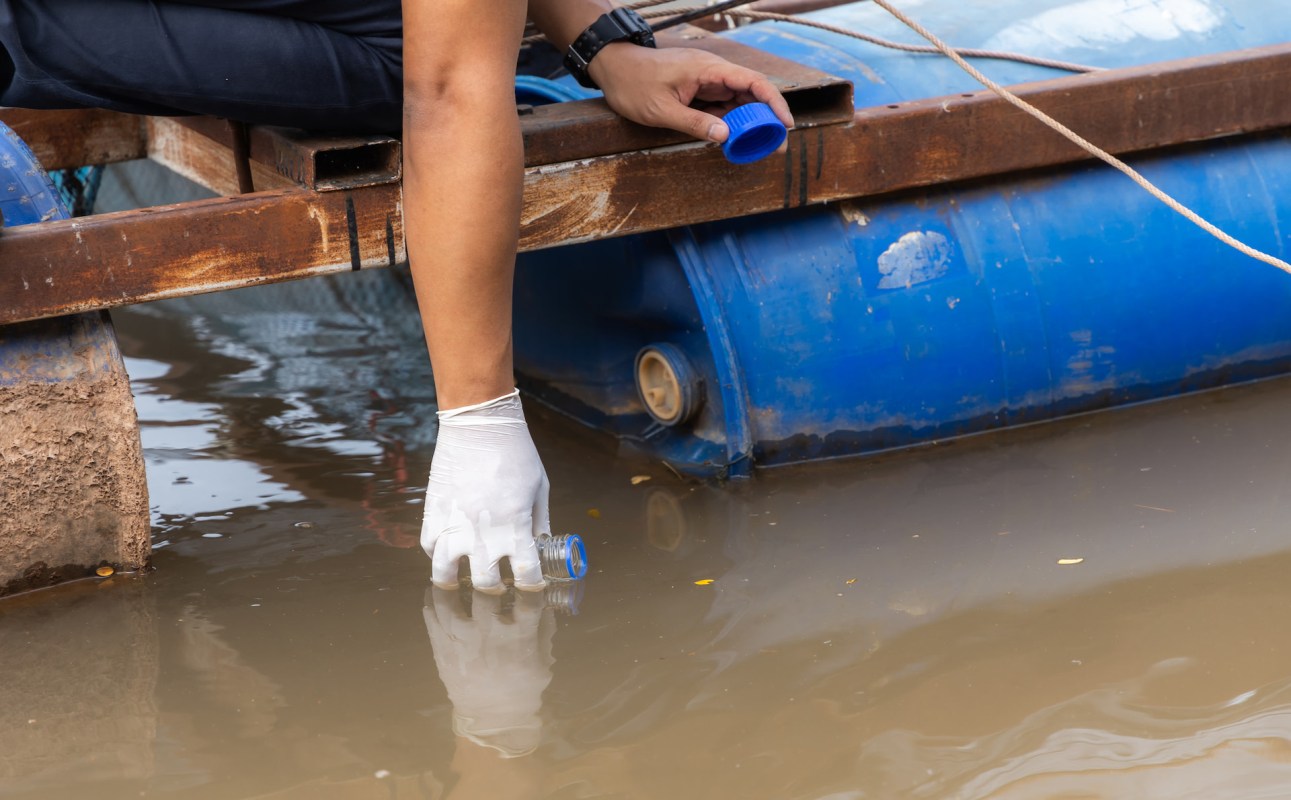
Scientists have developed a new method for assessing plastic pollution in rivers, which is crucial for managing microplastics in the ocean.
Researchers from the National Marine Environmental Monitoring Center in Dalian, China, and the School of Environment at Tsinghua University collaborated on the new automated sampling device. Their machine provides accurate data using high-frequency sampling across multiple sizes and wide areas.
With an error rate of less than 10%, this device is substantially more accurate than current monitoring methods, including sieving and trawling. The new method collects both macroplastics and microplastics, offering a more comprehensive picture of river pollution.
This automatic and continuous recovery of plastic can give scientists a better understanding of plastic pollution in rivers. River pollution leads to ocean pollution. Understanding the level of plastics in a given river helps inform cleanup efforts, influence policies, and increase public awareness. Plastic pollution in small urban rivers can export large amounts of plastic to the ocean.
The more accurate data researchers have, the better they can mitigate this pollution. Awareness can also encourage people to take local action and reduce river pollution, which in turn helps keep the oceans cleaner.
Plastic pollution in oceans has far-reaching effects. It destroys marine habitats and harms wildlife, disrupting the delicate balance of oceanic ecosystems. Humans also suffer from ocean pollution.
People ingest plastic particles when they eat contaminated seafood and can be exposed to high levels of microplastics by being in or around the water. This exposure can lead to health problems, ranging from neurological disorders in children to reproductive issues and weakened immunity. Furthermore, ocean pollution can have economic impacts, hurting fisheries and tourism.
The oceans are crucial to the health of the planet. They regulate nutrient cycles, support countless food chains, and are home to a diverse collection of species. Protecting them is key to creating a cooler, cleaner future for everyone.
While this technology could revolutionize how researchers monitor plastic pollution and what people understand about it, implementing it in areas where it's needed most poses challenges.
In the study, published in Environmental Technology & Innovation, the researchers stated: "We acknowledge that its structural complexity and high-tech configuration may limit widespread adoption, particularly in developing regions where plastic leakage is most severe."
TCD Picks » Upway Spotlight
💡Upway makes it easy to find discounts of up to 60% on premium e-bike brands




They urge people to consider the economic burden on developing communities. They recommend that "future research should thus include comprehensive cost-benefit and lifecycle analyses, accounting for equipment acquisition, deployment logistics, labor demands, maintenance, and data processing."
|
Do you think sewage pollution is a major problem in America? Click your choice to see results and speak your mind. |
 Yes 👍
Yes 👍 
Join our free newsletter for weekly updates on the latest innovations improving our lives and shaping our future, and don't miss this cool list of easy ways to help yourself while helping the planet.
Cool Picks





