


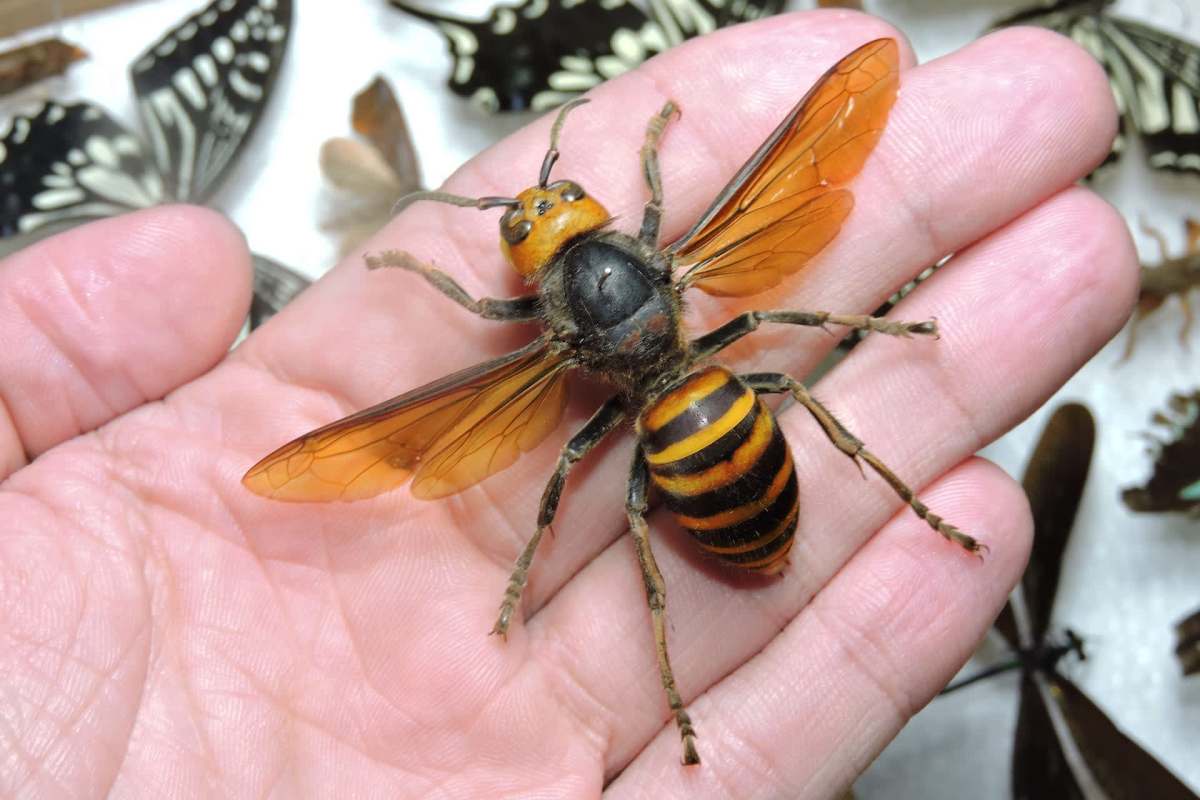
With a wide wingspan and mandibles capable of tearing apart honeybees, the Asian giant hornet has picked up one of the insect world's most unsettling nicknames.
This so-called "murder hornet" is native to East Asia, but its massive size and the threat it poses to pollinators have kept scientists on high alert.
What's happening?
Scientists in the United States and Canada have continued to monitor reported "murder hornet" sightings after several nests were discovered and destroyed in the Pacific Northwest. The Asian giant hornet's nickname comes from the insect's ability to attack honeybee hives, kill the adult bees, and feed on the defenseless young inside.
Size is the first thing that sets the Asian giant hornet, or northern giant hornet, apart. Discover Wildlife identifies it as the largest wasp in the world. Adults can reach about 1.6 inches (4 centimeters) in length, spread roughly 2.8 inches (7 centimeters) across the wings — about as wide as an average credit card — and carry a 0.24-inch (6-millimeter) stinger that injects venom when the insect feels threatened.
Its range is centered in East Asia, where it typically forms colonies underground. People who have been stung have compared the pain to being "stabbed by a hot needle," but researchers are especially concerned about a different feature — the hornet's powerful mandibles, which can slice through prey.
This species should not be confused with the smaller Asian hornet — also called the yellow-legged hornet — that has been spotted in the United Kingdom.
TCD Picks » Quince Spotlight
💡These best-sellers from Quince deliver affordable, sustainable luxury for all




Why does it matter?
An accidental introduction into new regions could seriously harm local honeybee populations, which are essential to pollination for wild plants and many of the food crops people depend on every day.
A major blow to pollinators can ripple through ecosystems and economies alike, affecting farm yields, food prices, and biodiversity. Fewer healthy bees can mean weaker harvests, higher costs for consumers, and more strain on already stressed agricultural systems.
What can I do?
If you live in an area where officials are monitoring hornet sightings, do not approach or try to remove a suspected nest yourself. Instead, report unusual hornet sightings to local agriculture, invasive species, or wildlife agencies so trained experts can identify and handle them.
You can also help pollinators by avoiding unnecessary pesticide use in your yard, planting native flowers, and supporting local efforts to protect bee habitats. Small actions will not solve invasive species problems on their own, but they can reduce added pressure on already vulnerable pollinator populations.
Switching to gentler cleaning and lawn products can lower your exposure to harsh chemicals without requiring a costly overhaul. This guide to using natural cleaning products offers simple ways to cut back on toxic ingredients to protect yourself, loved ones, and the world around you.
Researchers continue to watch for new sightings because this insect can devastate bee colonies if it gets established. Its unusual size may draw the headlines, but the threat to hives is what makes rapid detection and response so important.

Get TCD's free newsletters for easy tips, smart advice, and a chance to earn $5,000 toward home upgrades. To see more stories like this one, change your Google preferences here.






